Report on the event as part of the Long Night of Democracy 2025
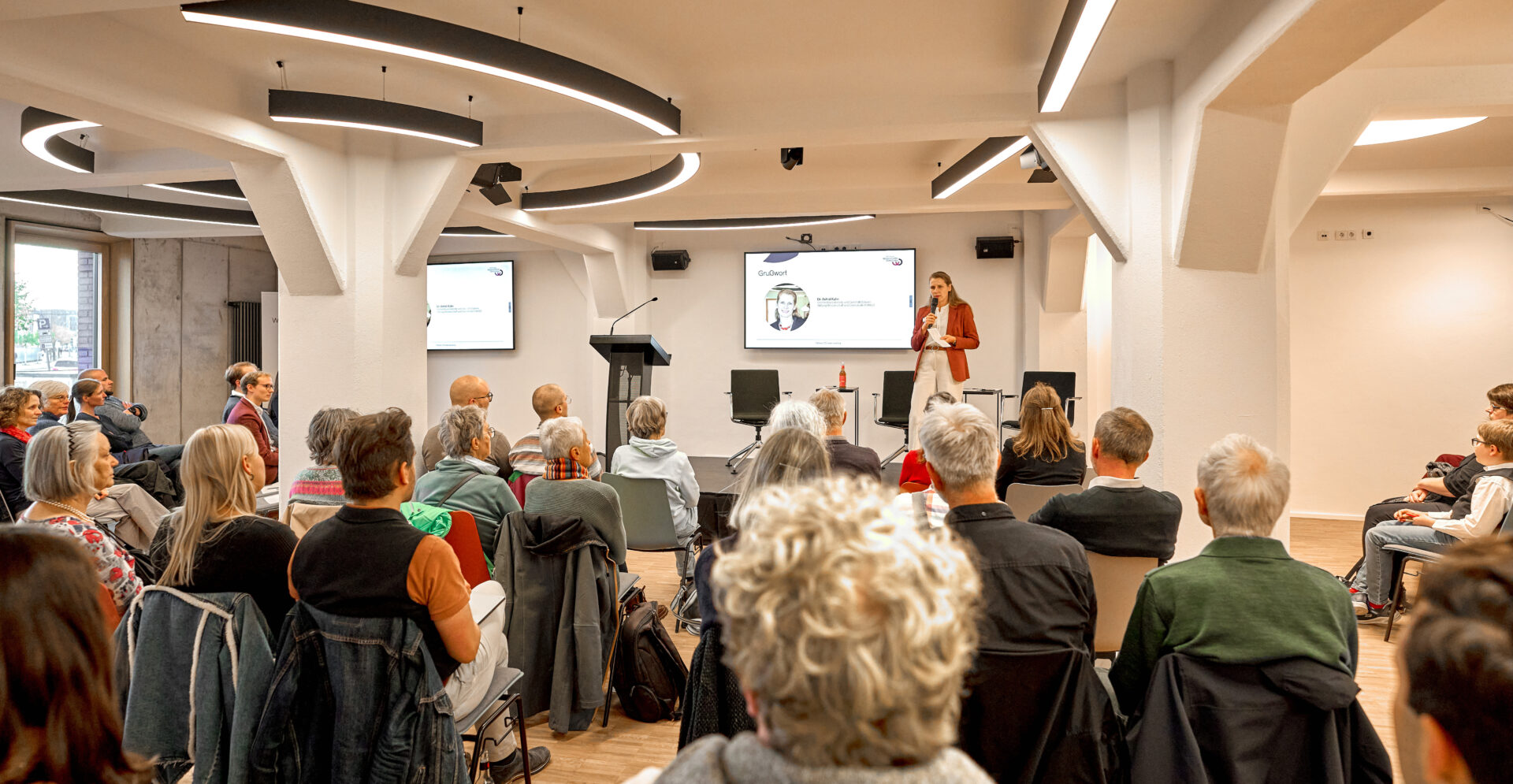
On 2 October 2025, the Foundation for Science and Democracy (SW&D) organised a special evening as part of the Long Night of Democracy. Together with numerous other event organisers in Schleswig-Holstein, a diverse programme was offered which, in keeping with the Day of German Unity the following day, dealt with the facets of democracy.
This year, the Foundation for Science and Democracy focussed on a democratic practice: debating. The doors were opened to students and interested citizens to discover the basics of a good debate culture - theoretically sound and practically tangible.
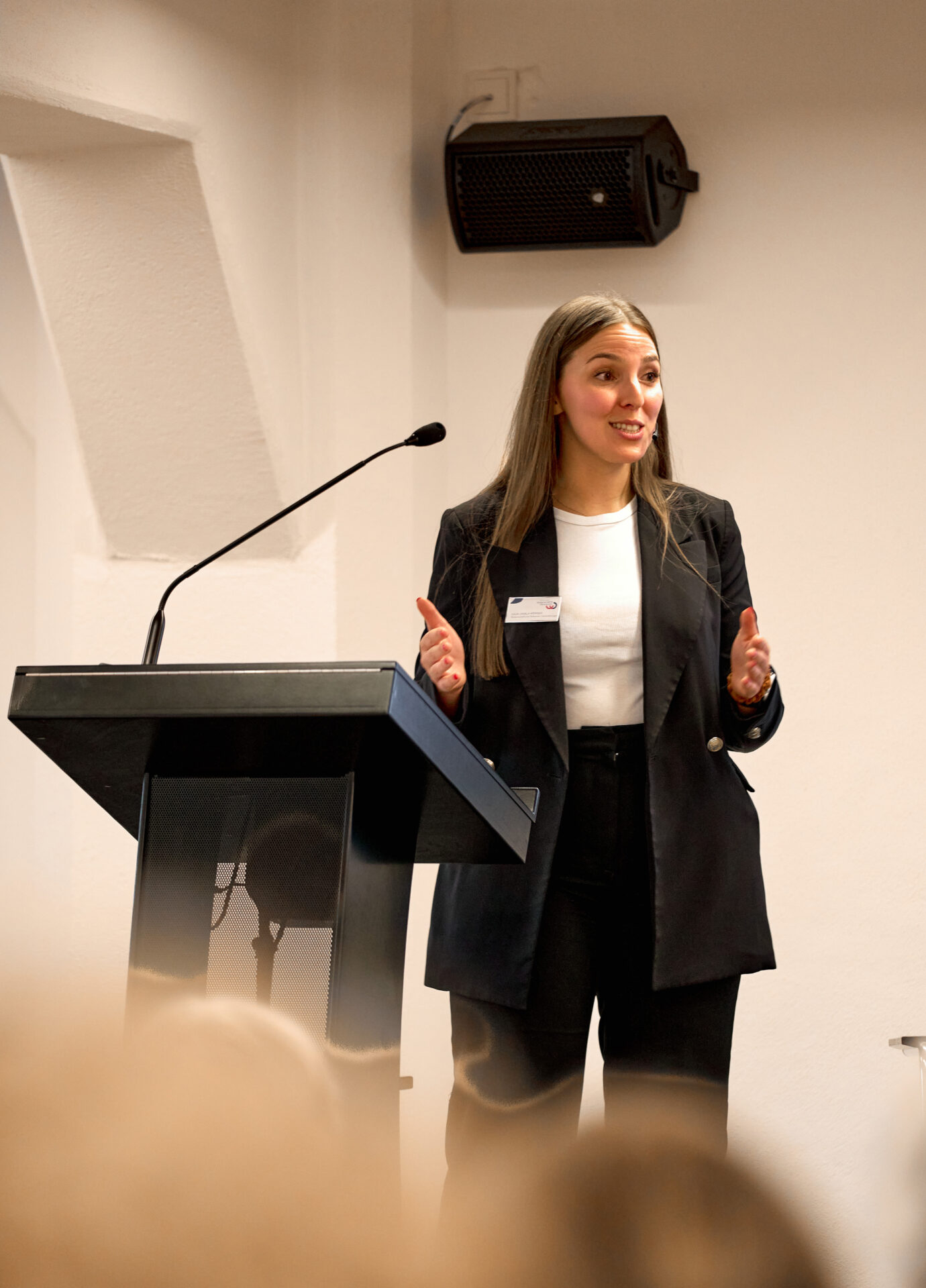
The evening was hosted by Julia Jamila Werner.
Democracy needs debate
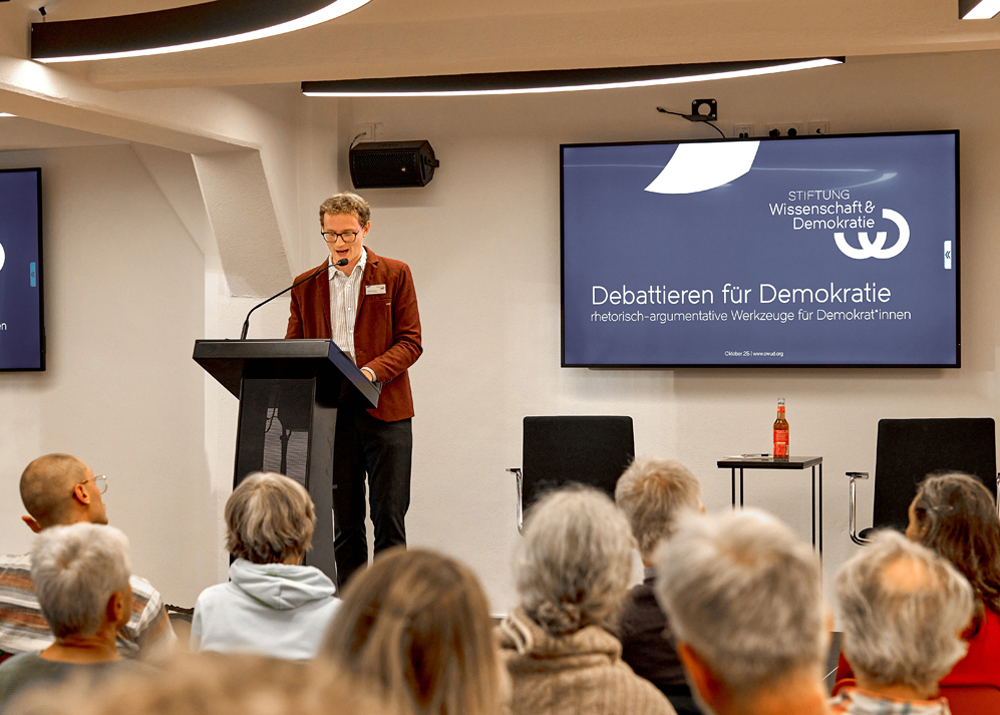
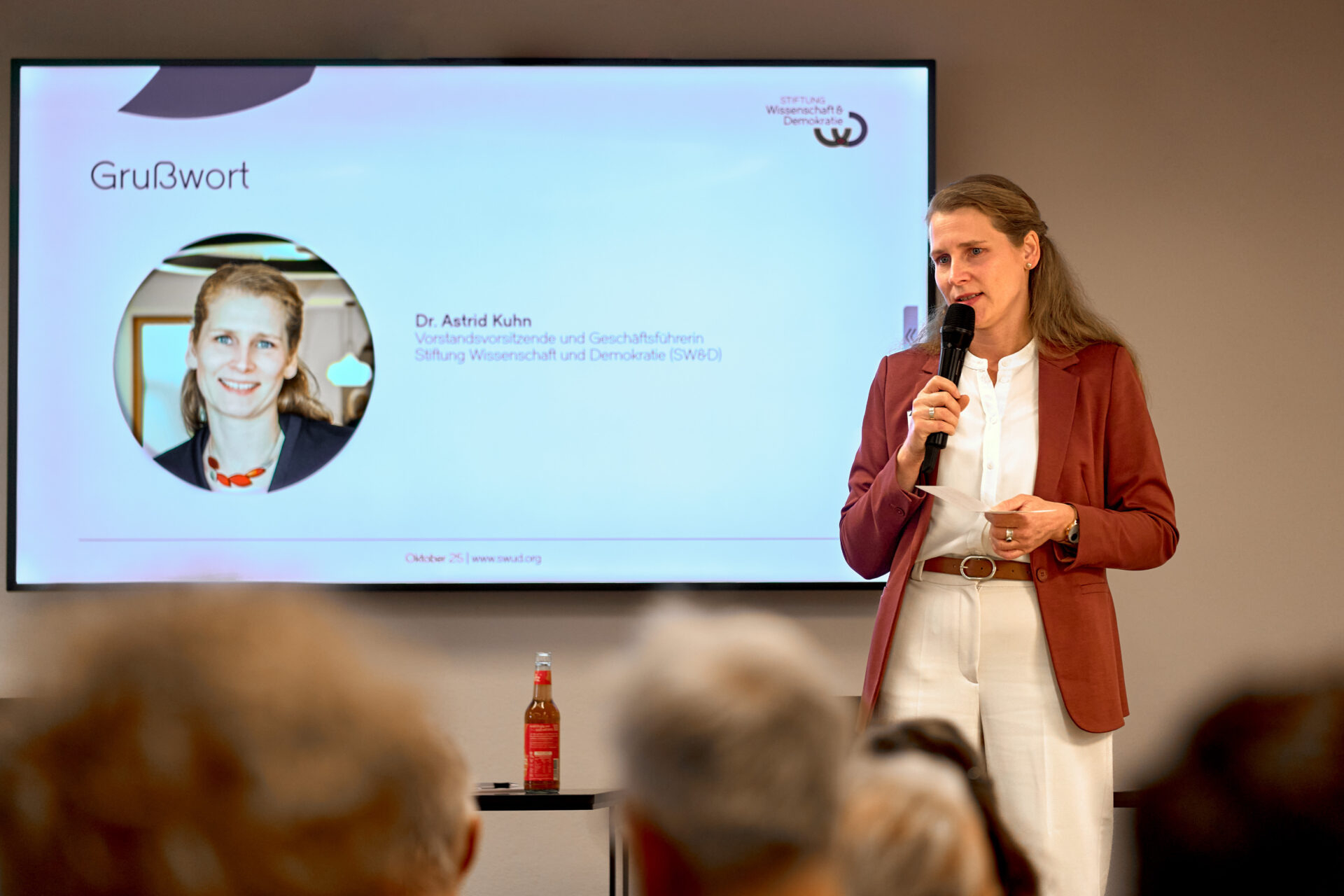
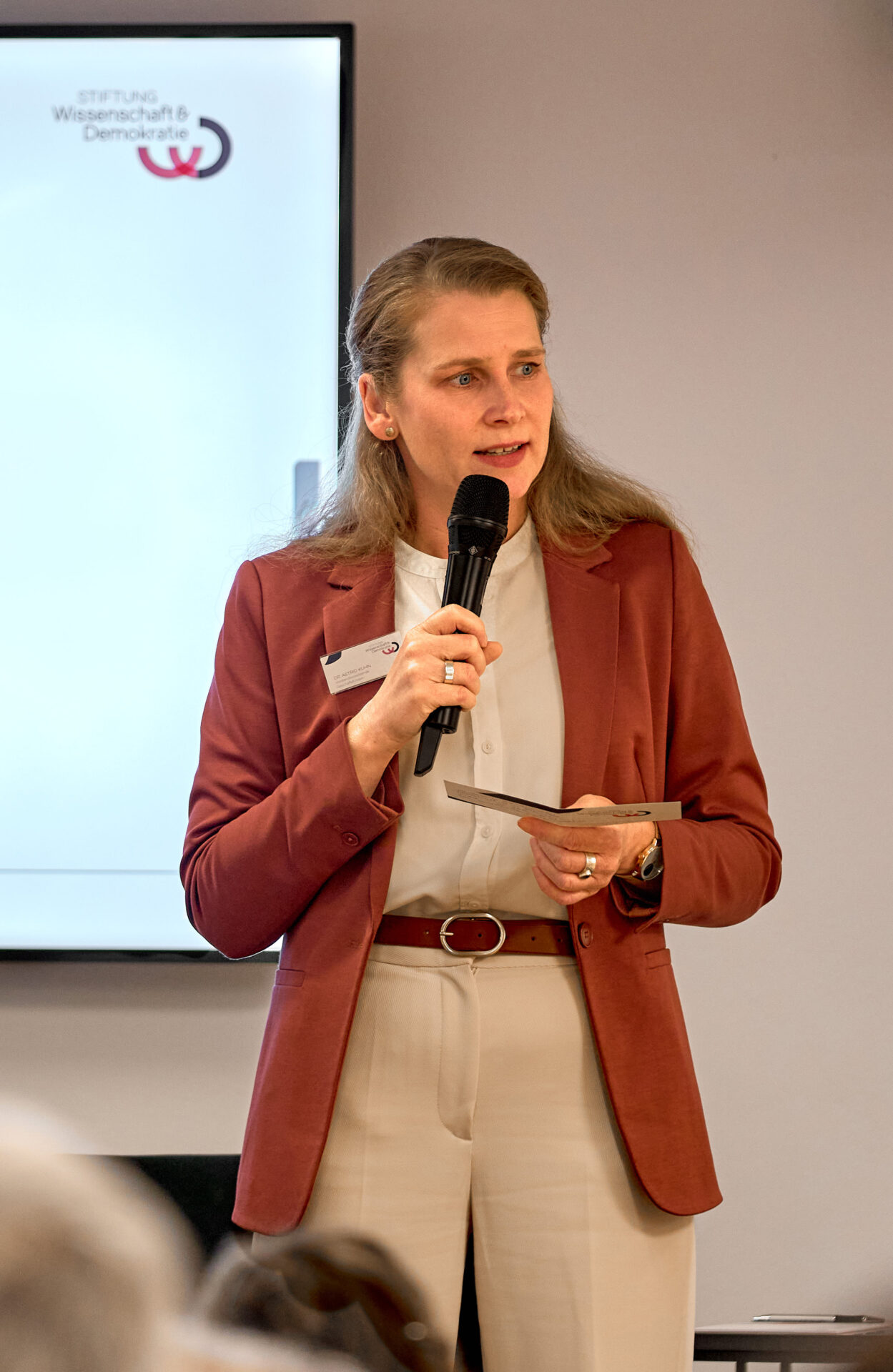
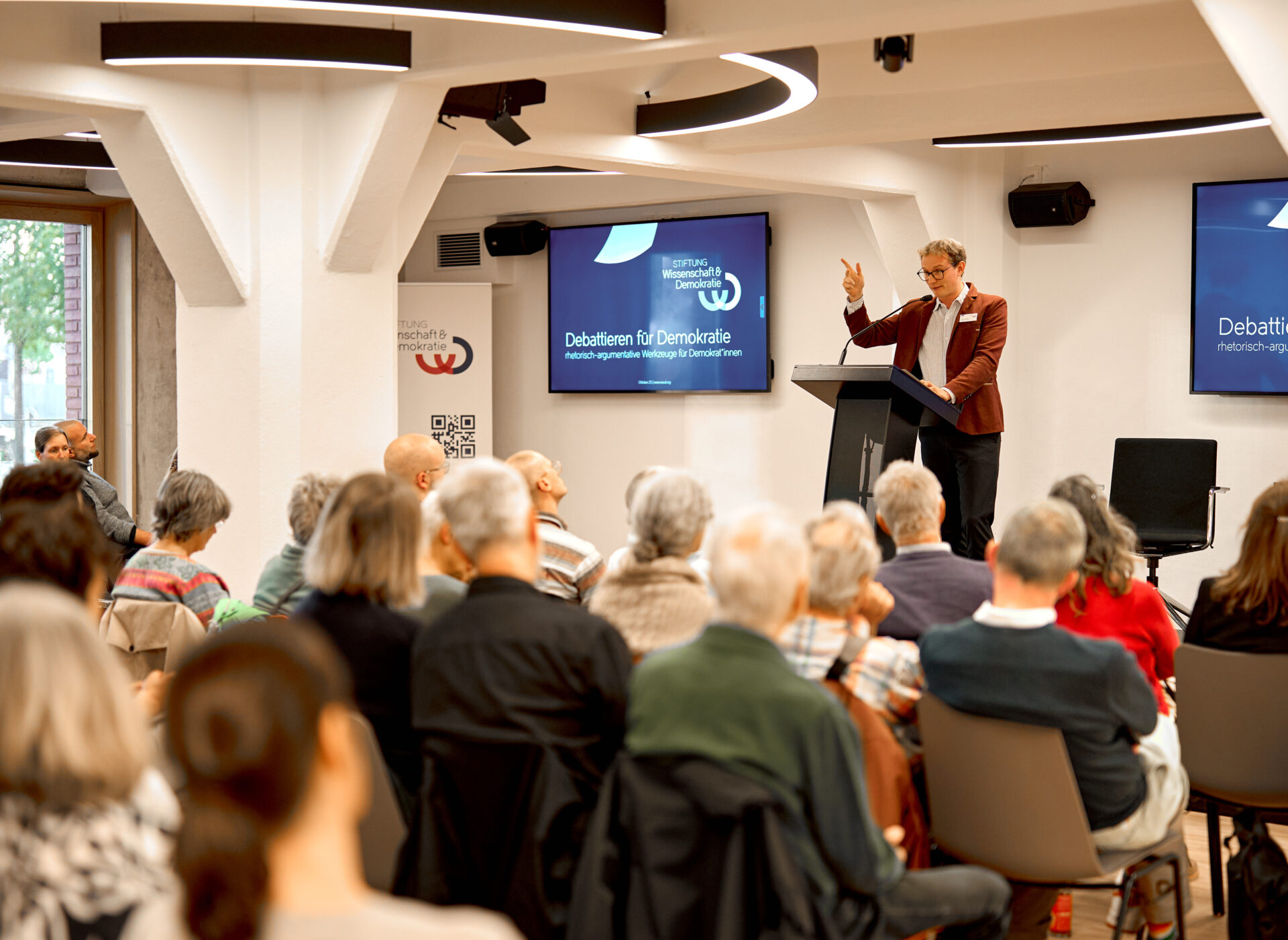
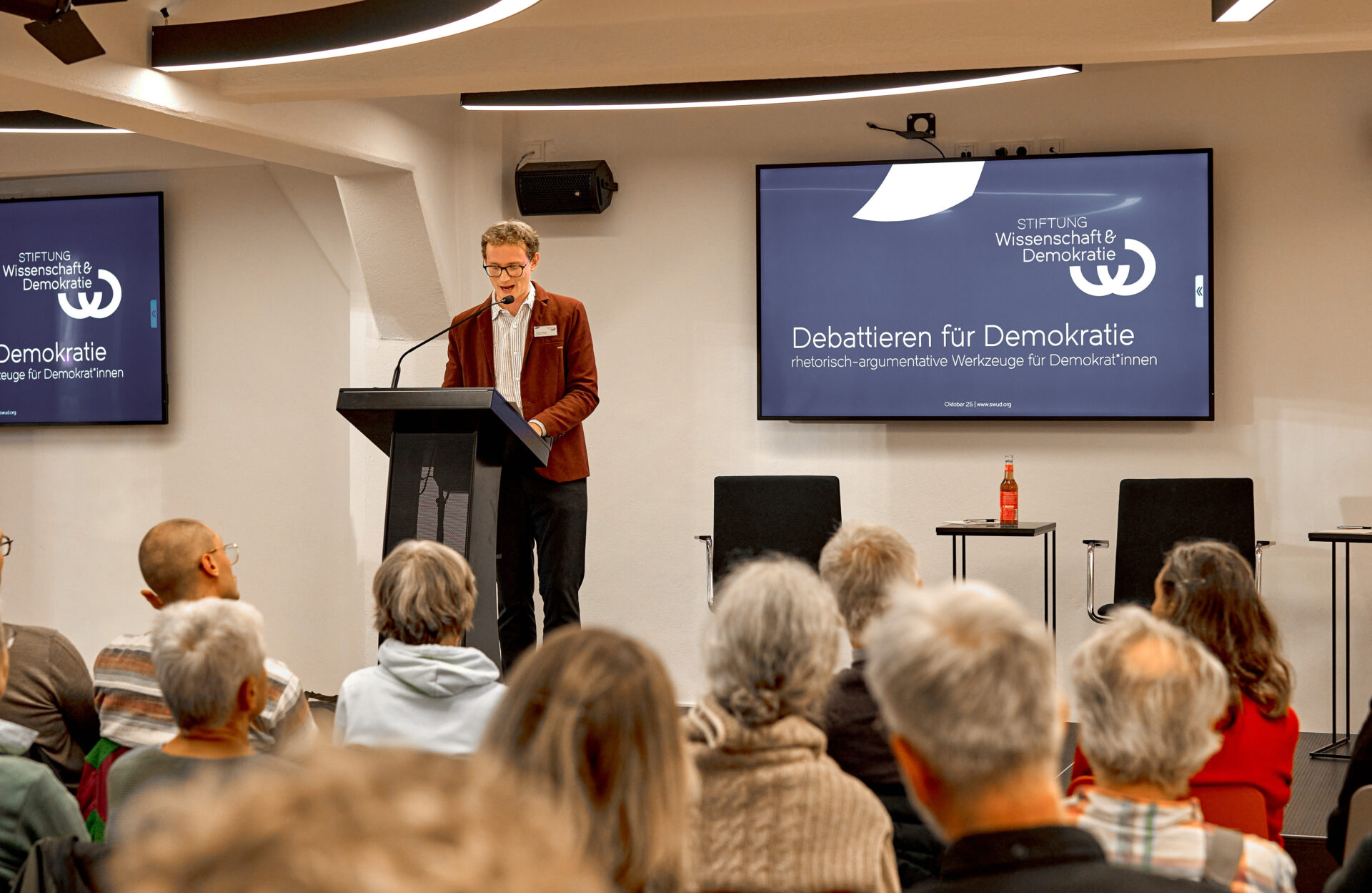
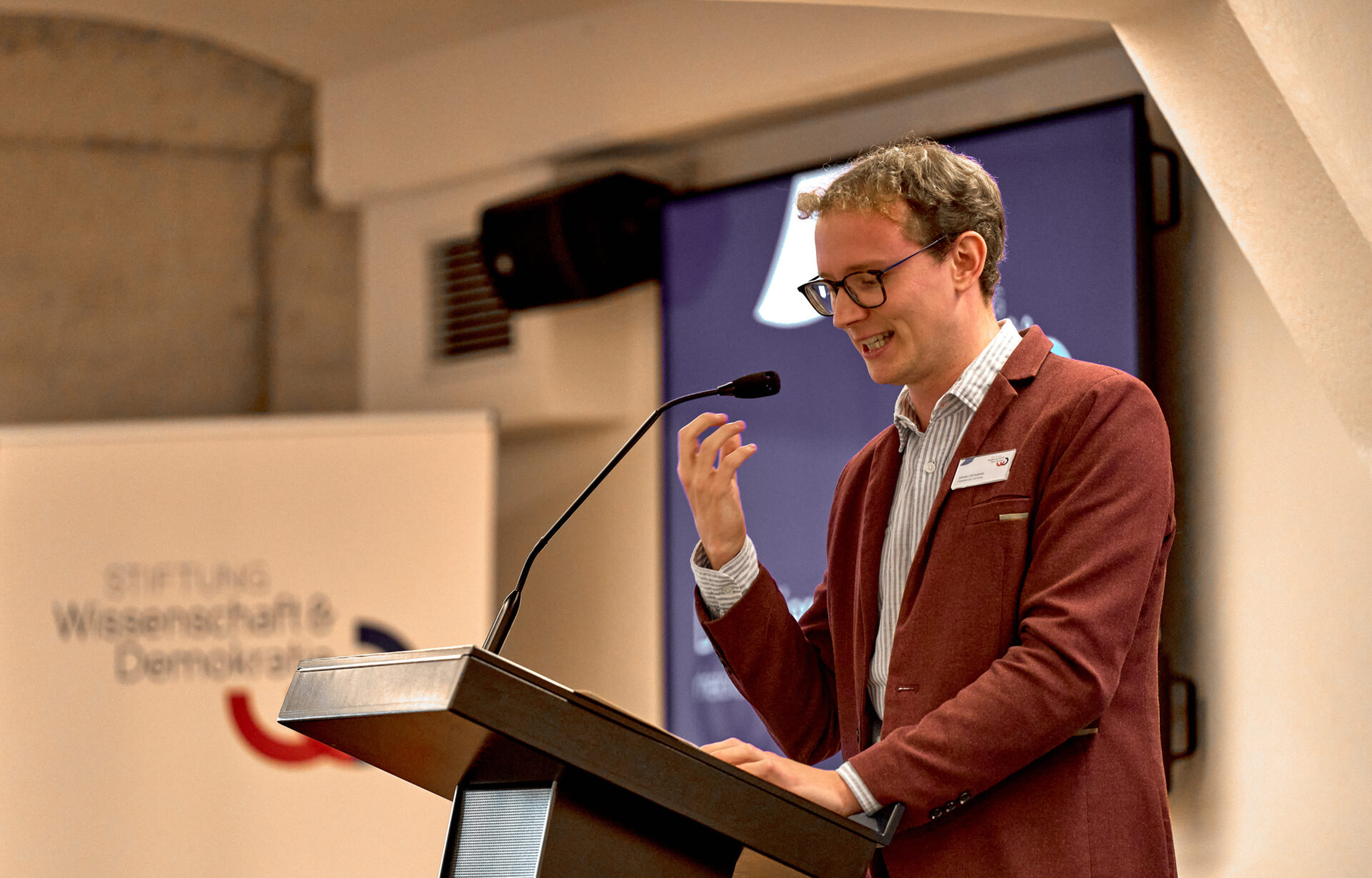
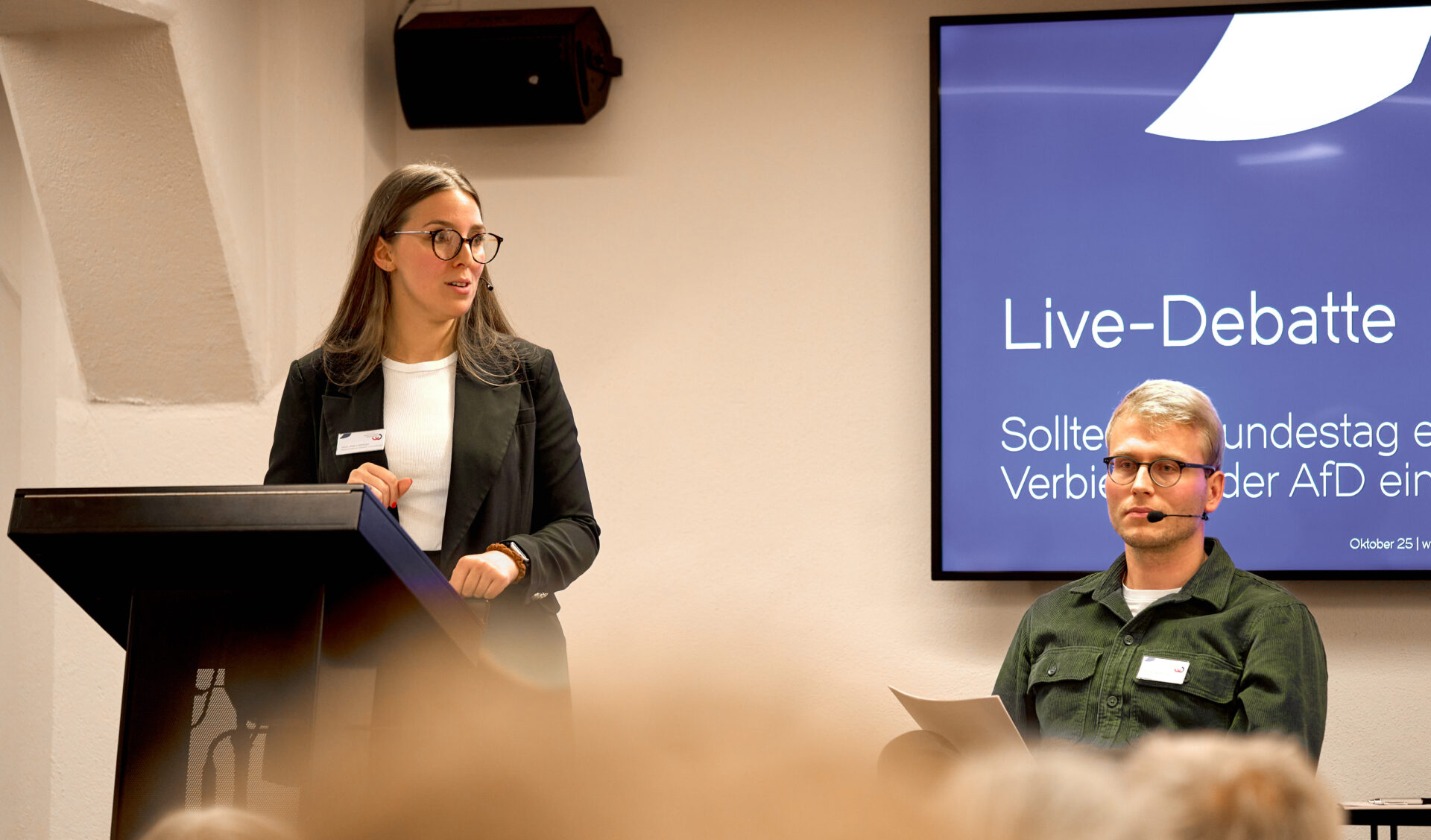
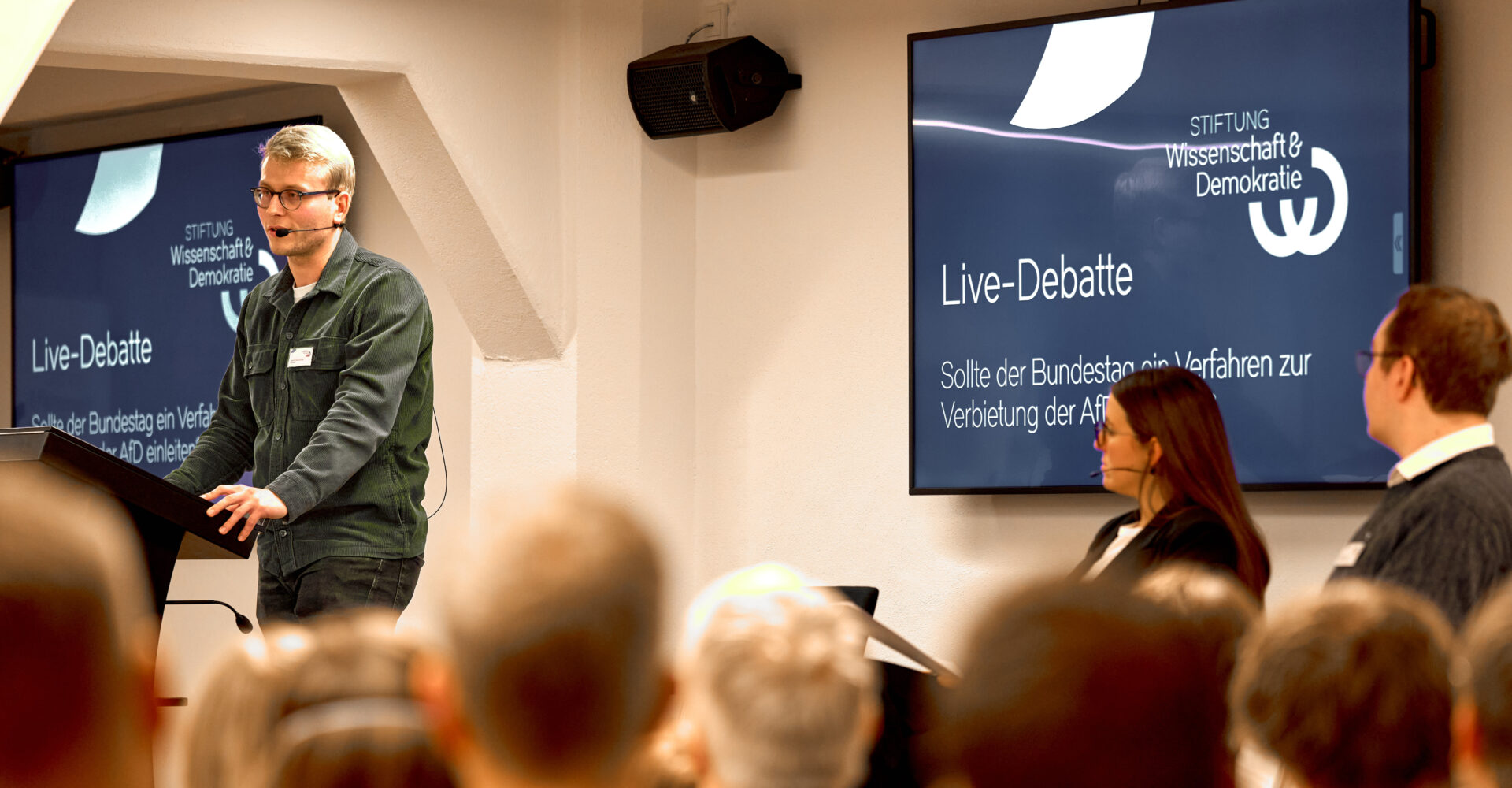
After a welcoming address by the Chairwoman of the SW&D Management Board Dr Astrid Kuhn Brian Ortmann from Debattierclub Hamburg kicked things off with an inspiring keynote speech entitled "Debating for democracy". Ortmann introduced the audience to the Debating tools into the "how" of argumentative exchange: How do you structure a debate? How are arguments logically structured, weighted and related to each other?
He also focussed on the "why": Why is debating so important for a vibrant democracy? Ortmann impressively demonstrated that good debating is not just about being right, but above all about understanding your opponent, realising your own position and cultivating a respectful culture of debate. His presentation thus formed the basis for the rest of the evening - an invitation to think and have your say.
Exchange of blows: a live debate on the AfD ban procedure
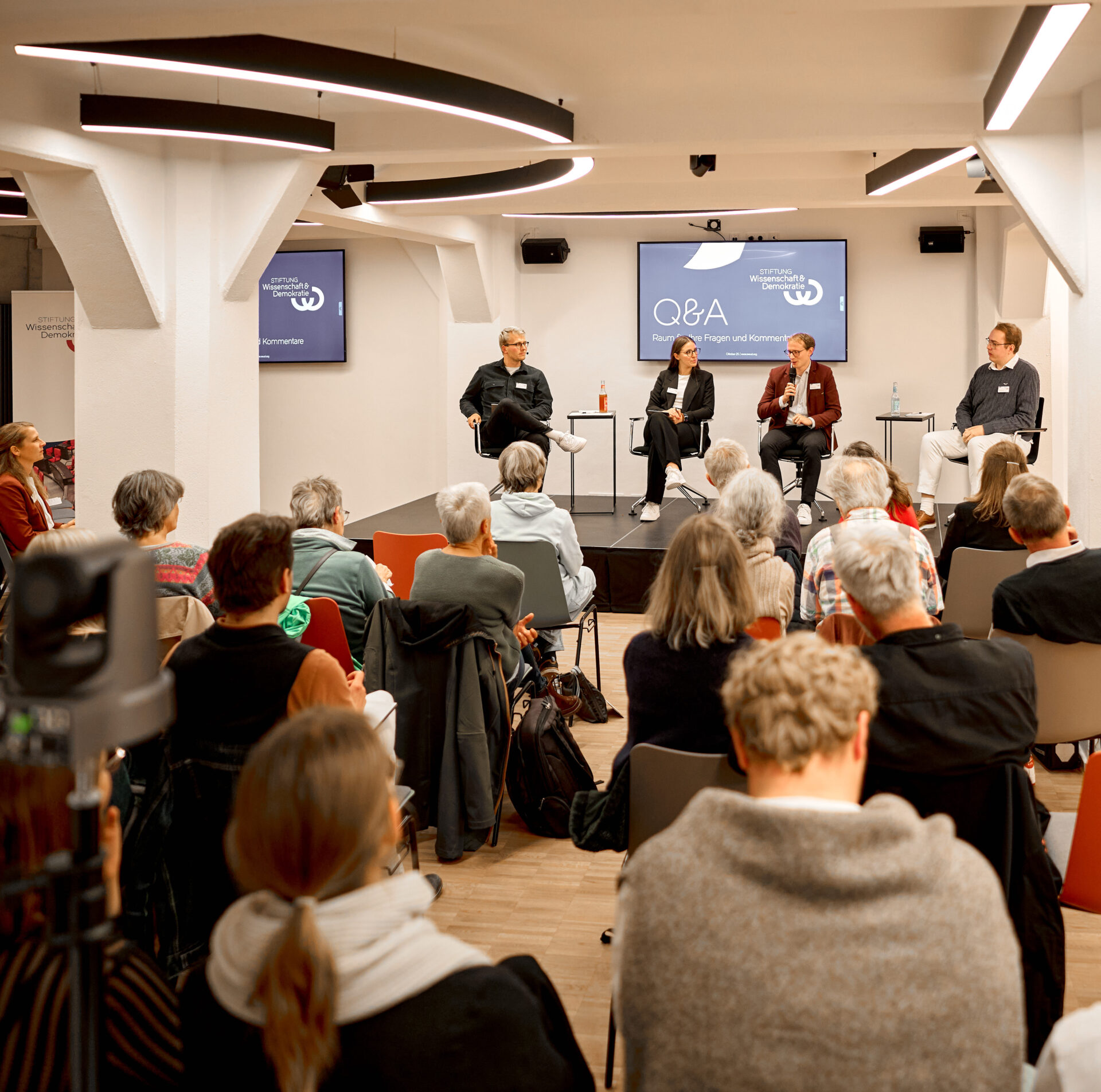
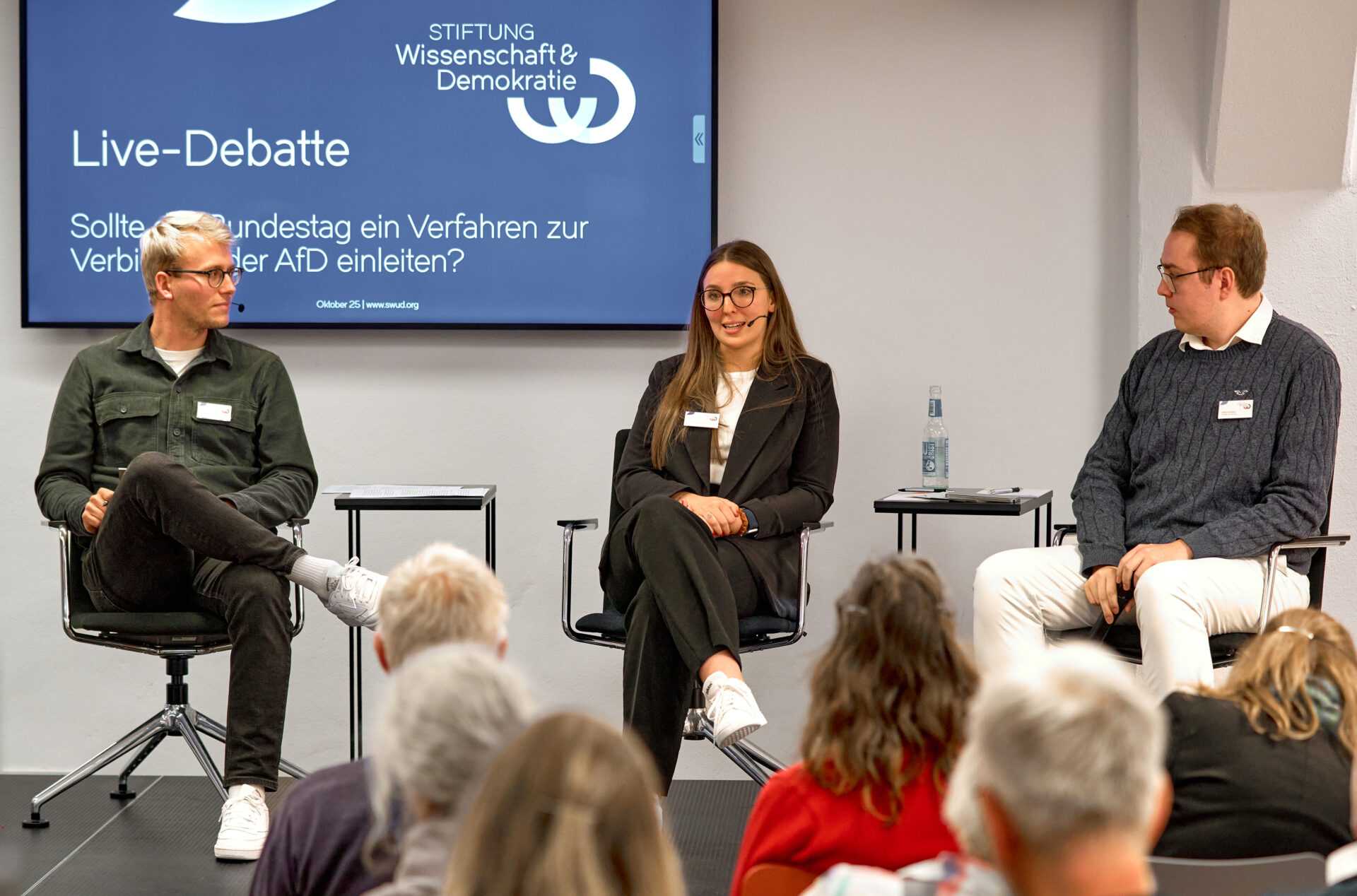
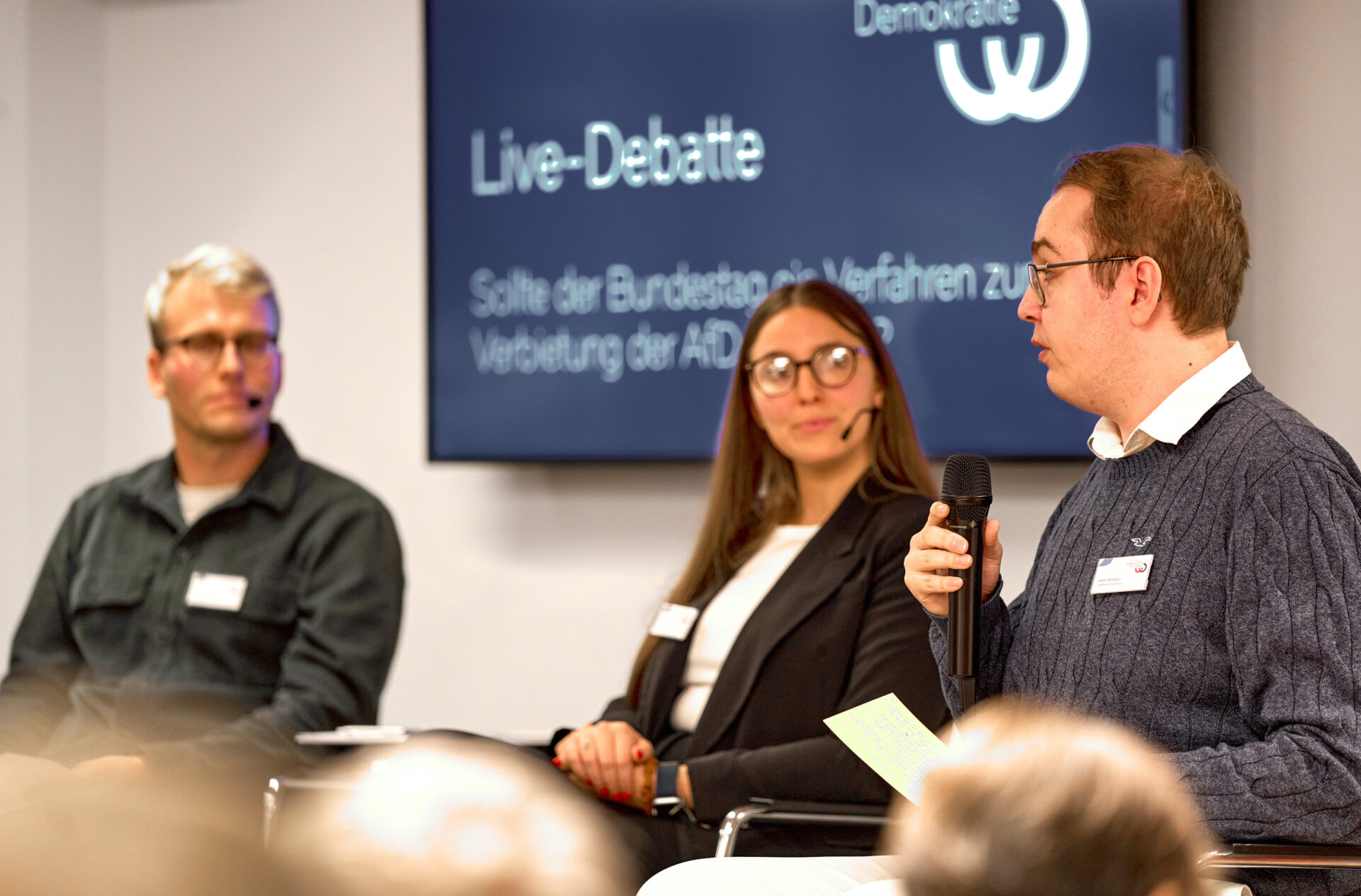
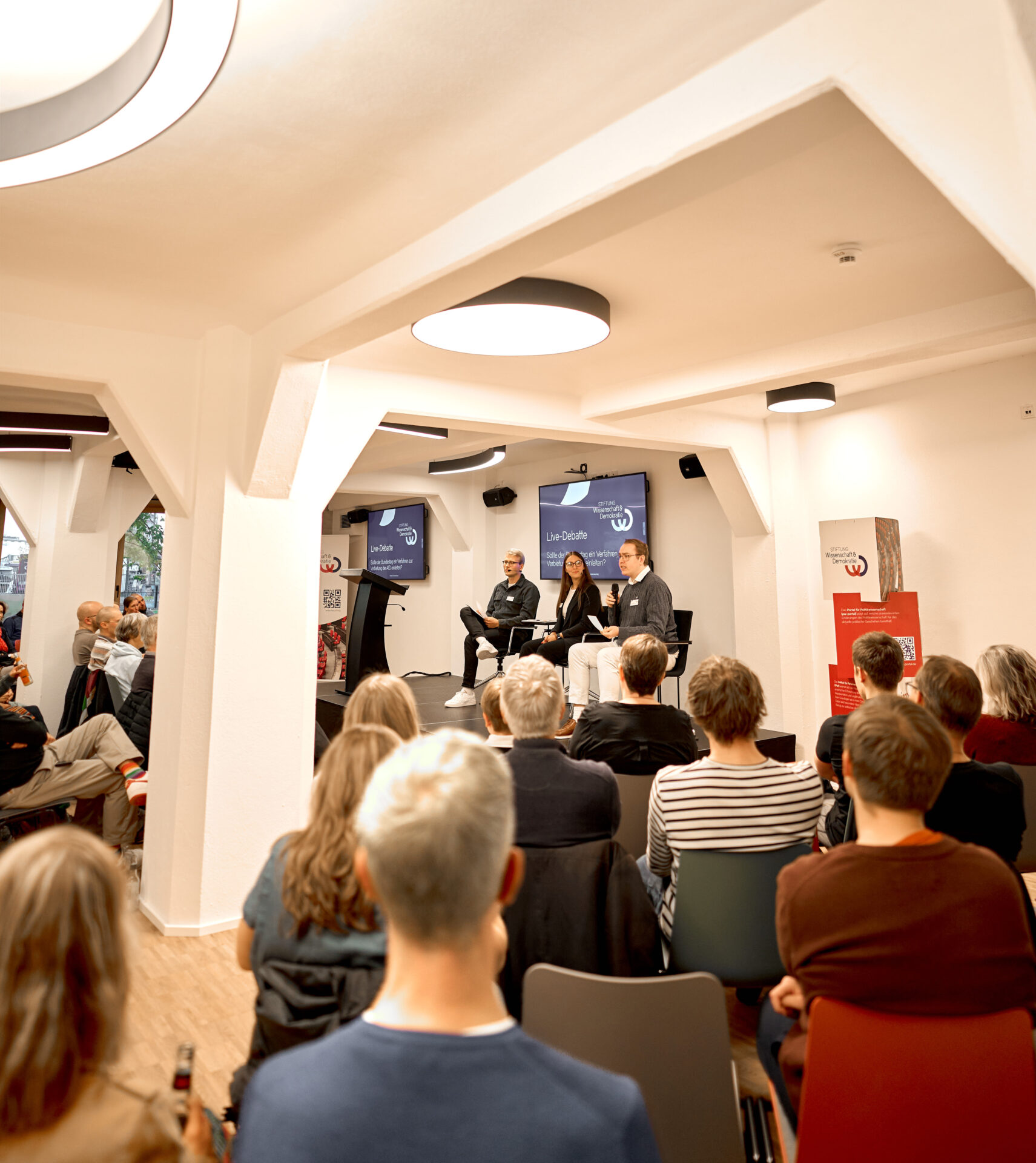
The lecture was followed by a practical application of what had been heard. In a Live debateaccompanied and commented by Dario Werneran experienced top debater and also from Debattierclub Hamburg, discussed a highly topical and controversial subject: Should proceedings be initiated to ban the AfD?
In this debate Julia Jamila Werner and Marvin RauchsteinMaster's student of International Politics and International Law at the Christian-Albrechts-Universität zu Kiel, each with clear pro and con positions. Both were able to argue objectively and pointedly at the same time. In doing so, they showed how a lively culture of debate works, without polemics or personal attacks.
Dario Werner accompanied the format with targeted comments and categorisations, explained argumentation strategies, highlighted successful rhetorical turns of phrase and made it clear what a good debate can be measured by. The audience was thus able to understand directly, how the theory and practice of democratic discussion culture are intertwined.
An audience that joins in the debate
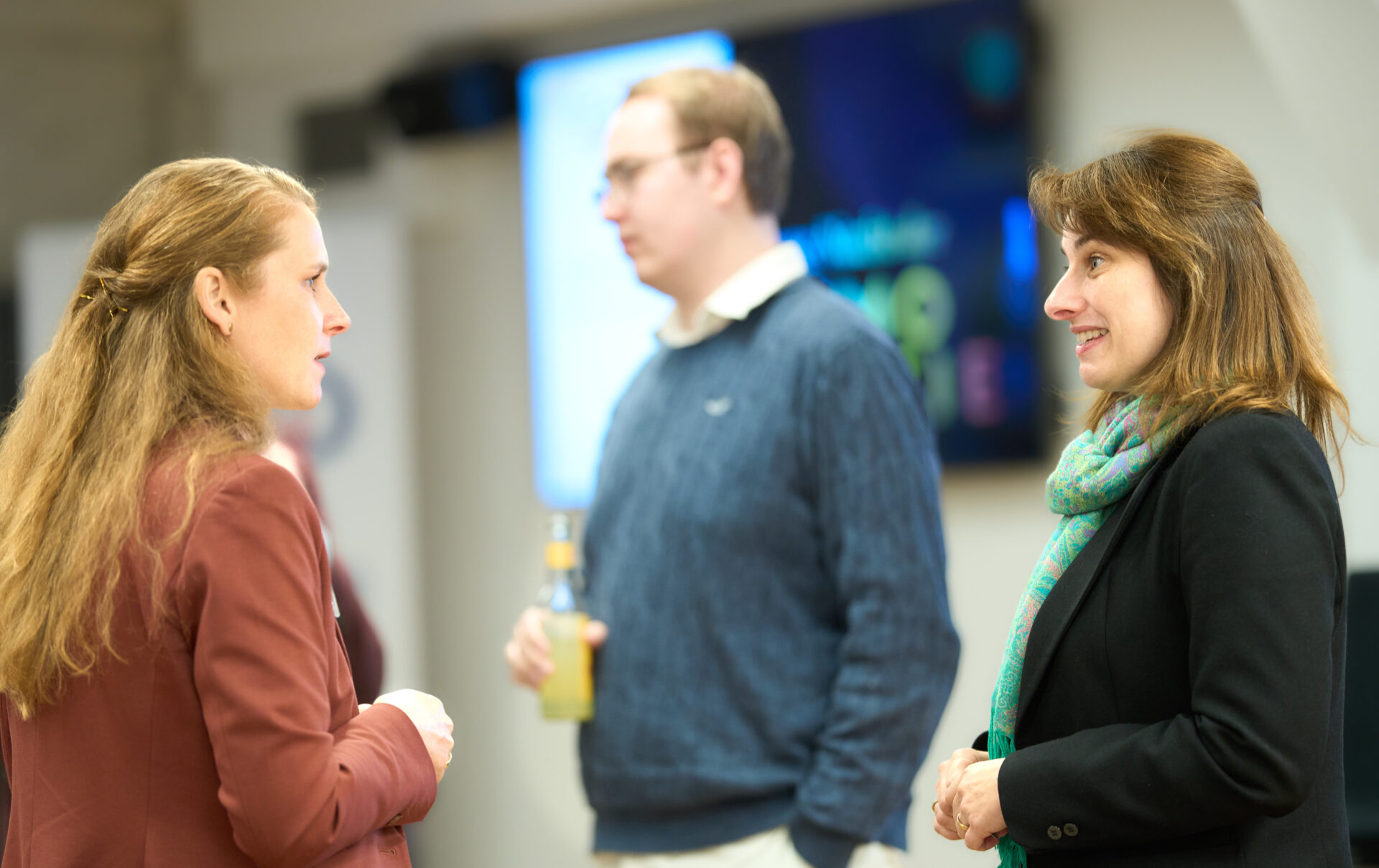
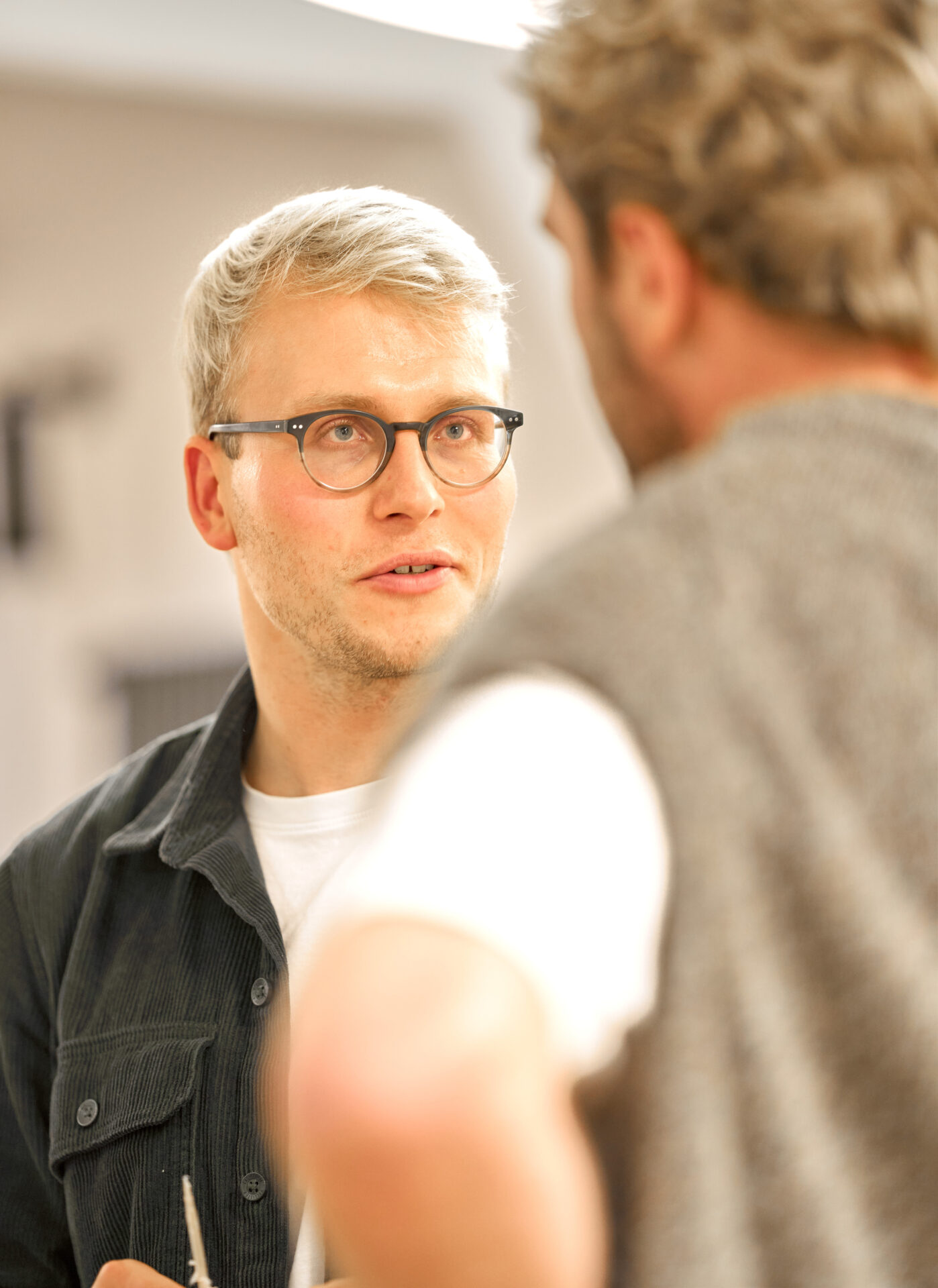
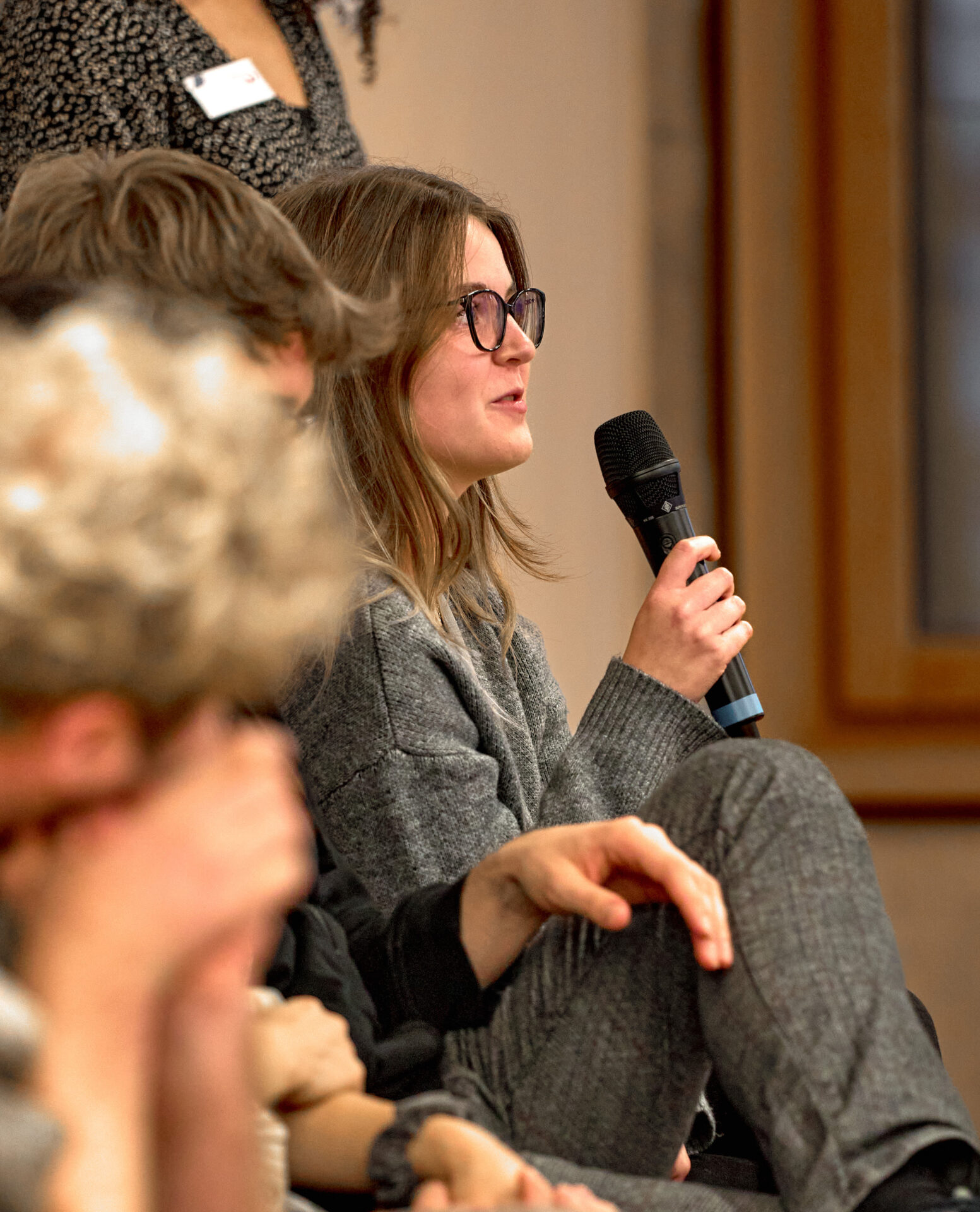
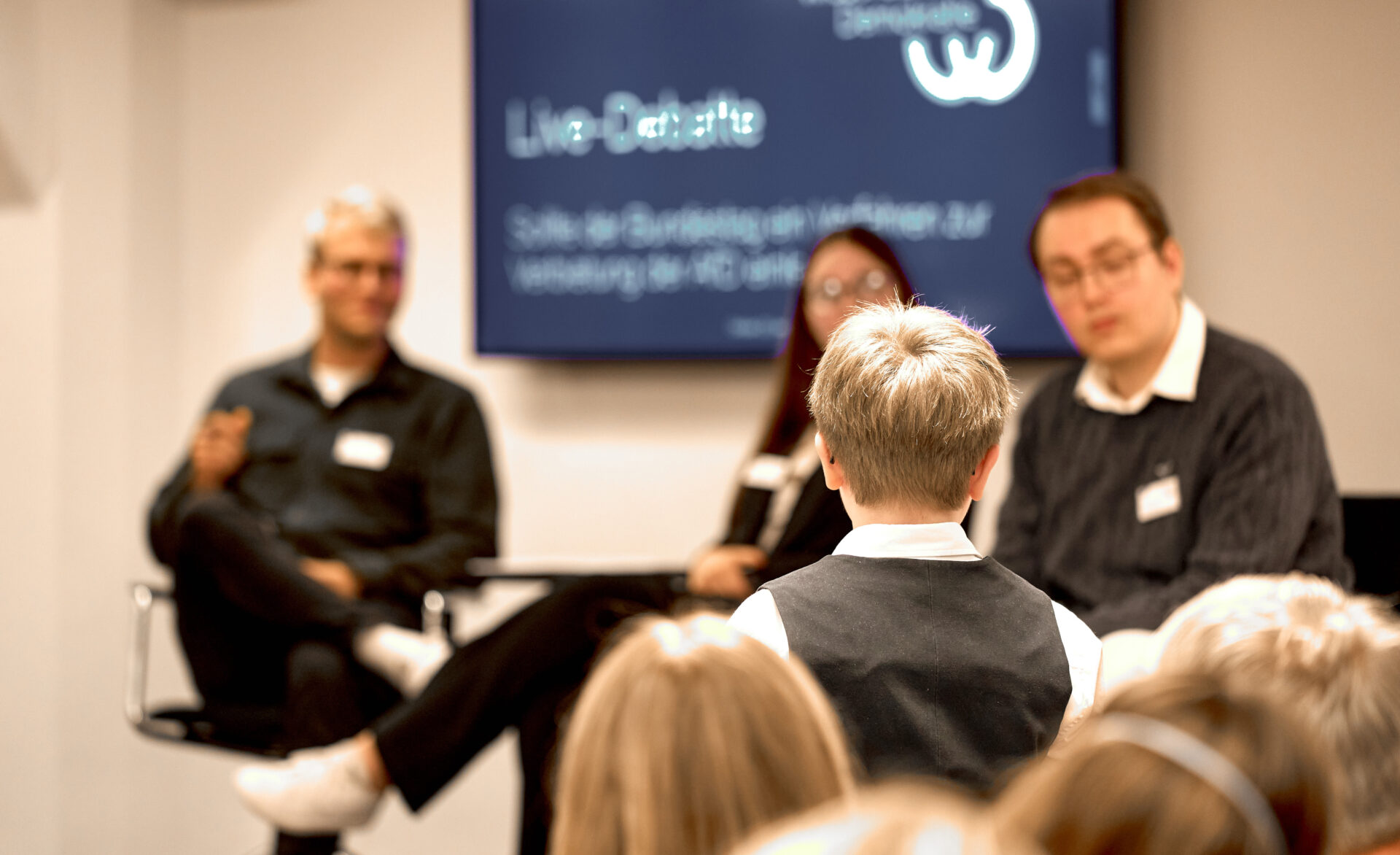
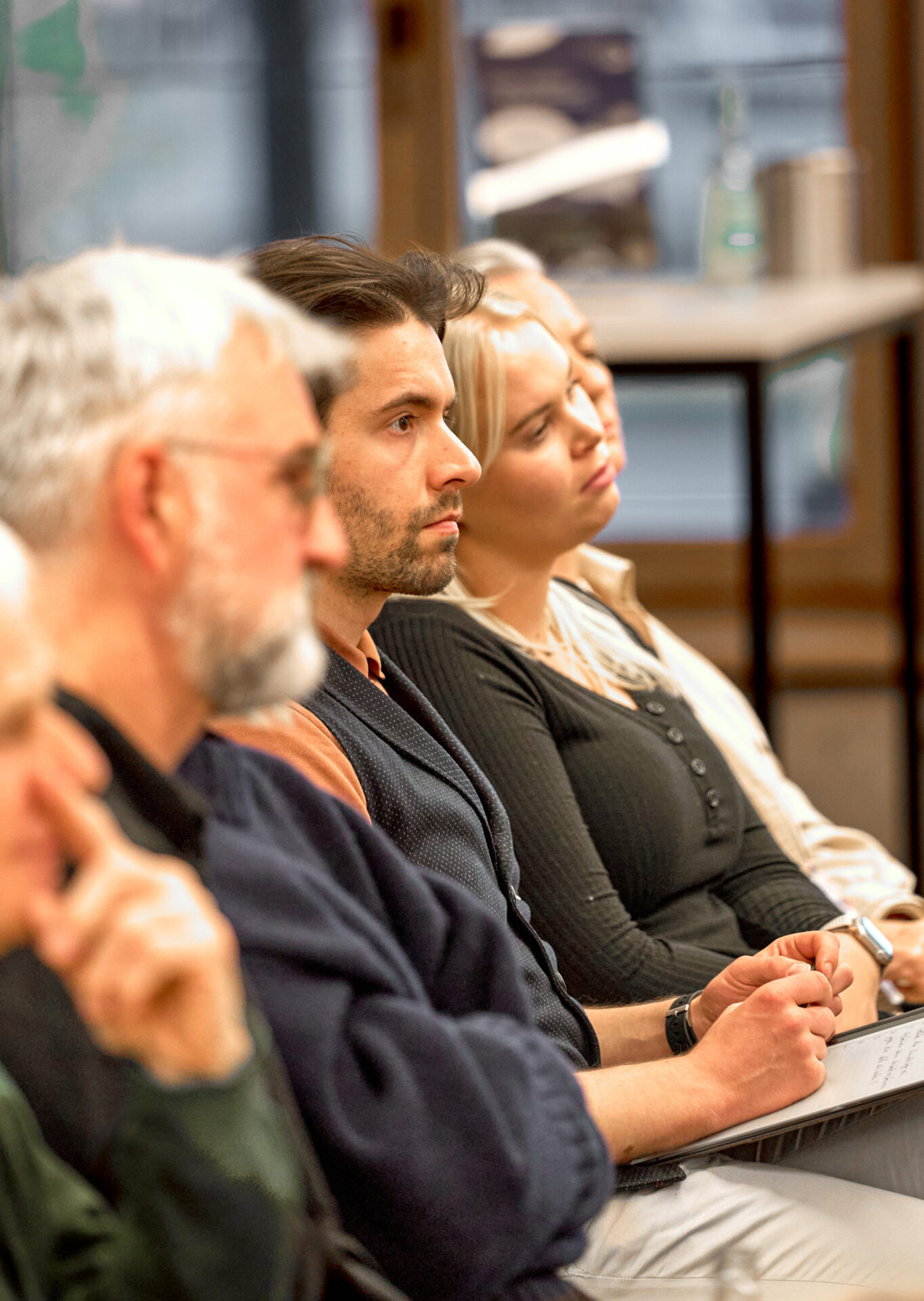
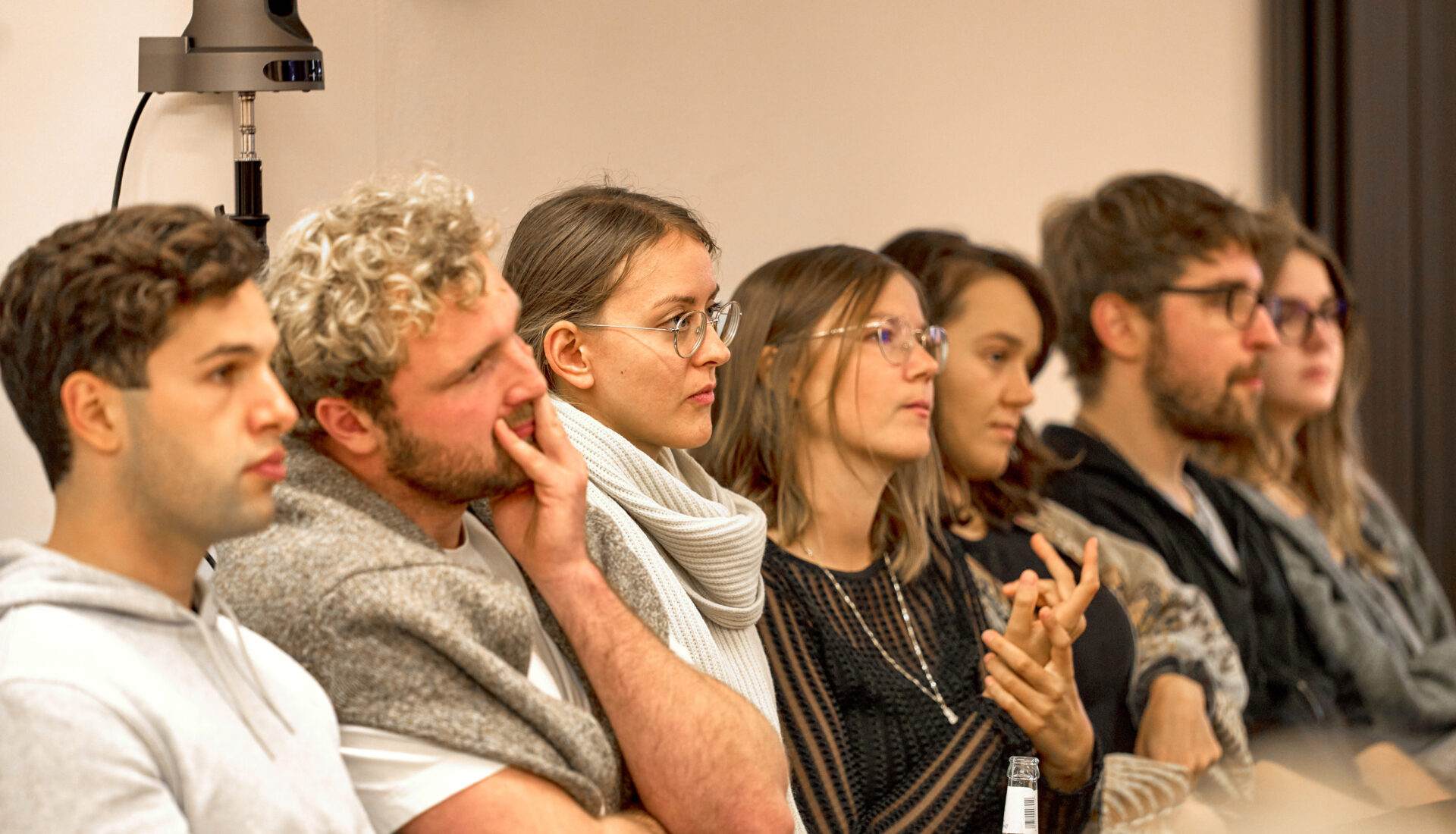
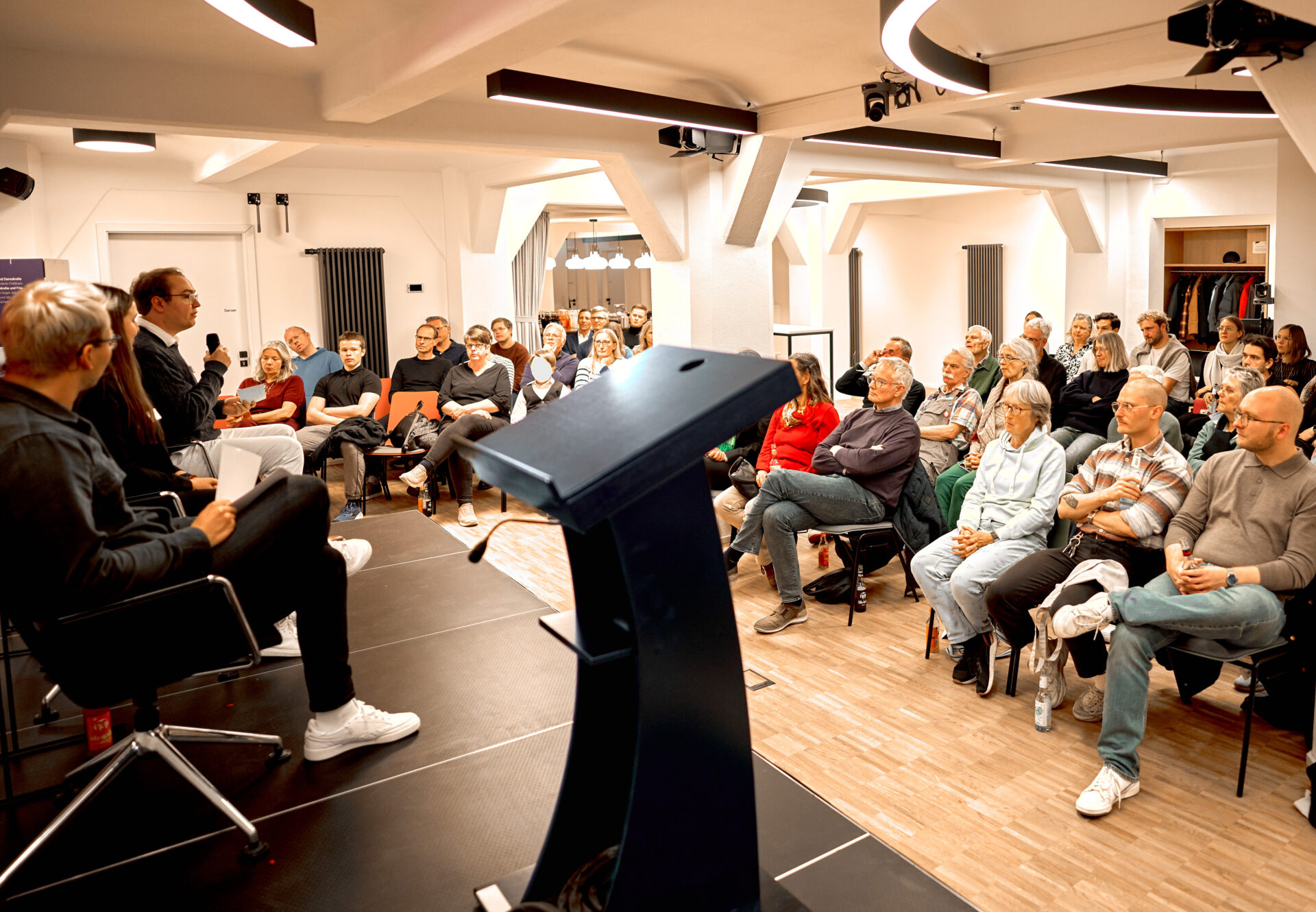
The fact that the topic struck a nerve was demonstrated by the intensive participation of the audience. Numerous guests contributed their own arguments and asked critical questions of the debaters.
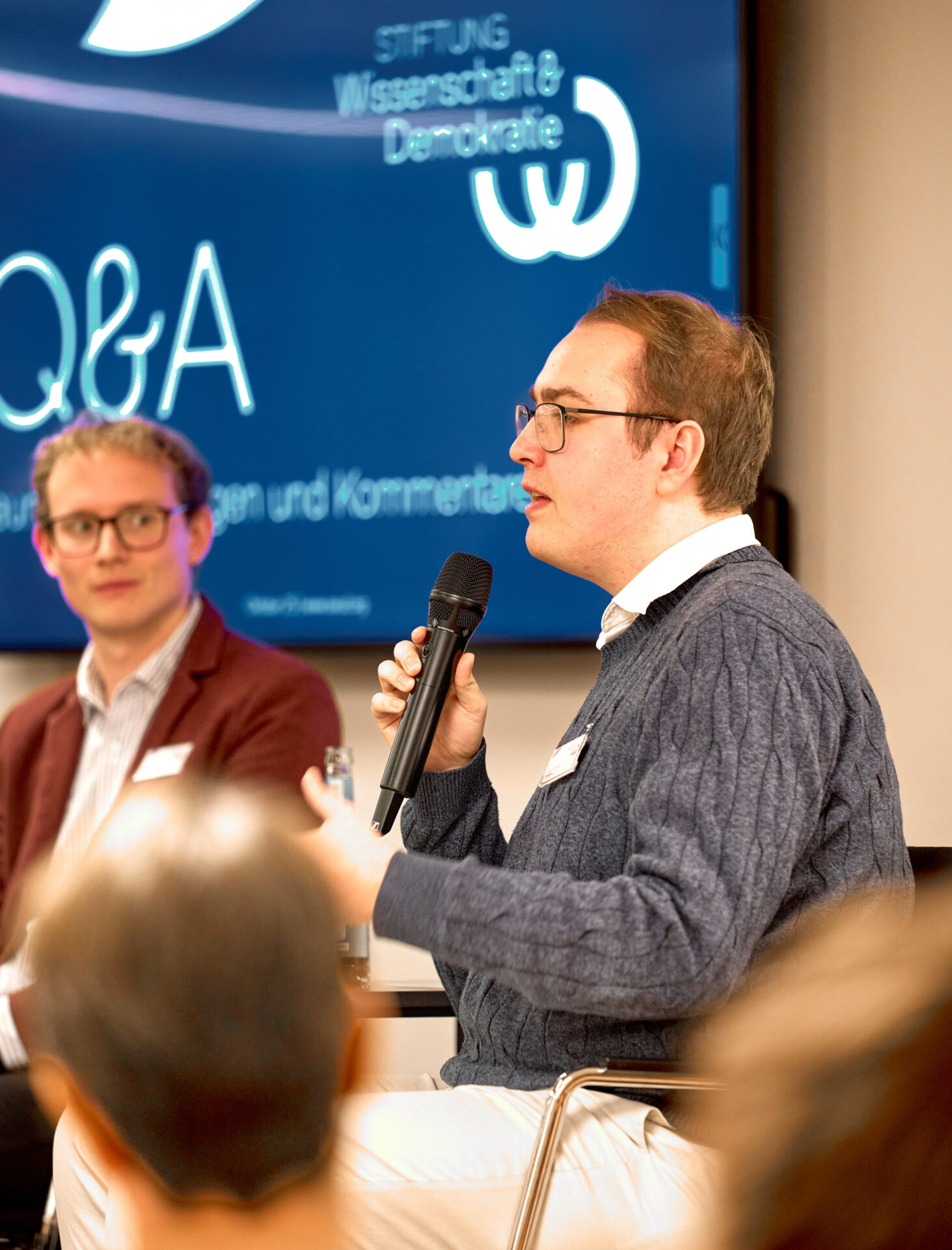
Following the debate, the great need for dialogue was discussed in a Q&A were taken up. Questions on argumentation techniques, the role of debates in democratic coexistence and the limits of freedom of opinion were discussed in a stimulating manner. The participants took the opportunity not only to listen, but also to actively engage in democratic dialogue themselves.
Democracy as a common practice
The combination of expert input, practical demonstrations and open dialogue made the evening an impressive example of how democratic culture can be experienced in practice. SW&D created a space in which knowledge, argumentation and encounters merged - a place where democracy was not just a topic, but a living practice.
Many guests expressed the desire to continue the format. After all, the event showed that democracy needs places for dialogue where respect, criticism and curiosity go hand in hand.
Conclusion: Democracy starts with dialogue
The Long Night of Democracy and the DebateBar of the Science and Democracy Foundation made it clear that a culture of debate is not an end in itself, but a cornerstone of our open society. Those who debate well not only strengthen their own argumentative power, but also the foundation on which democratic understanding rests.
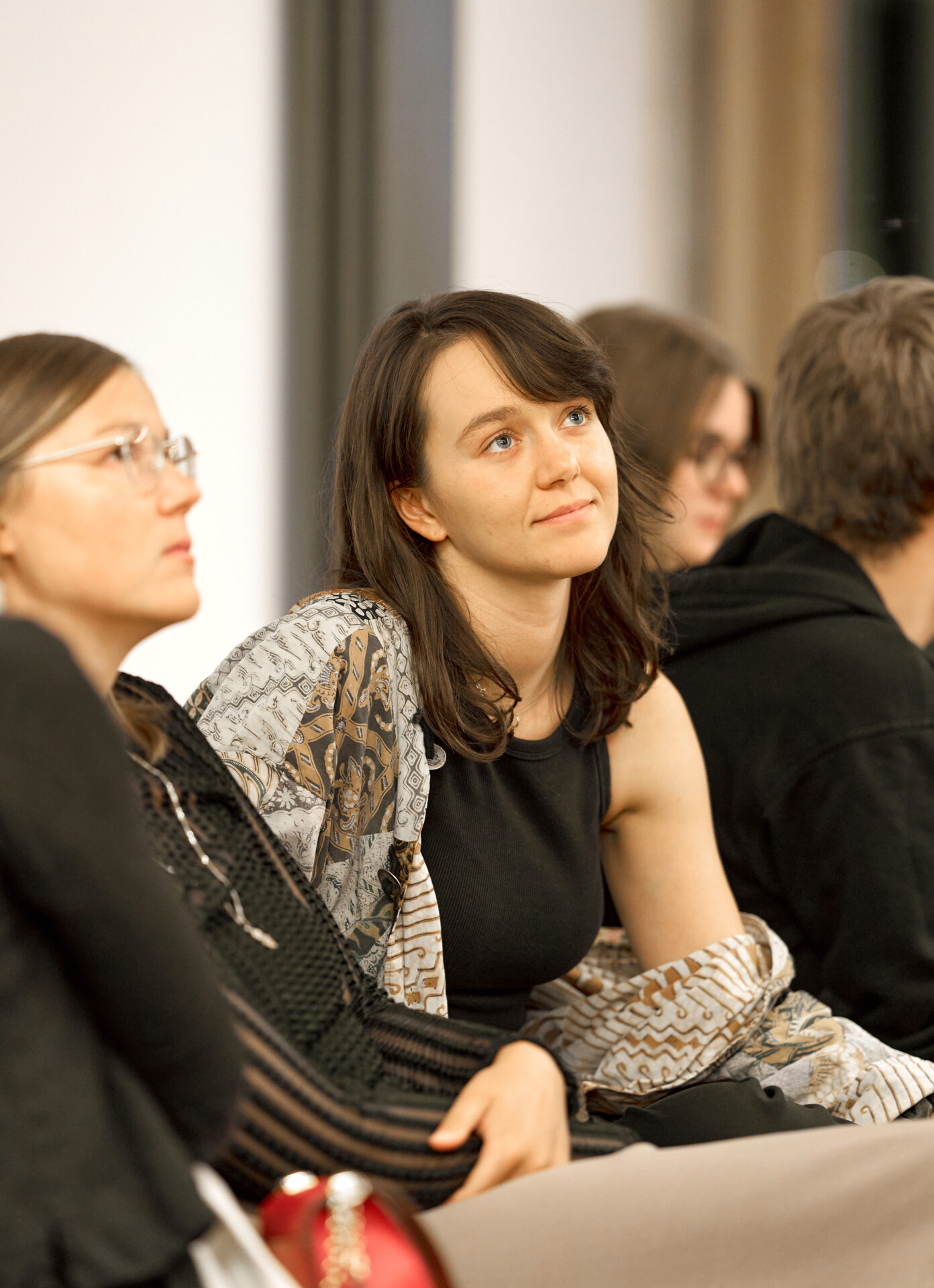
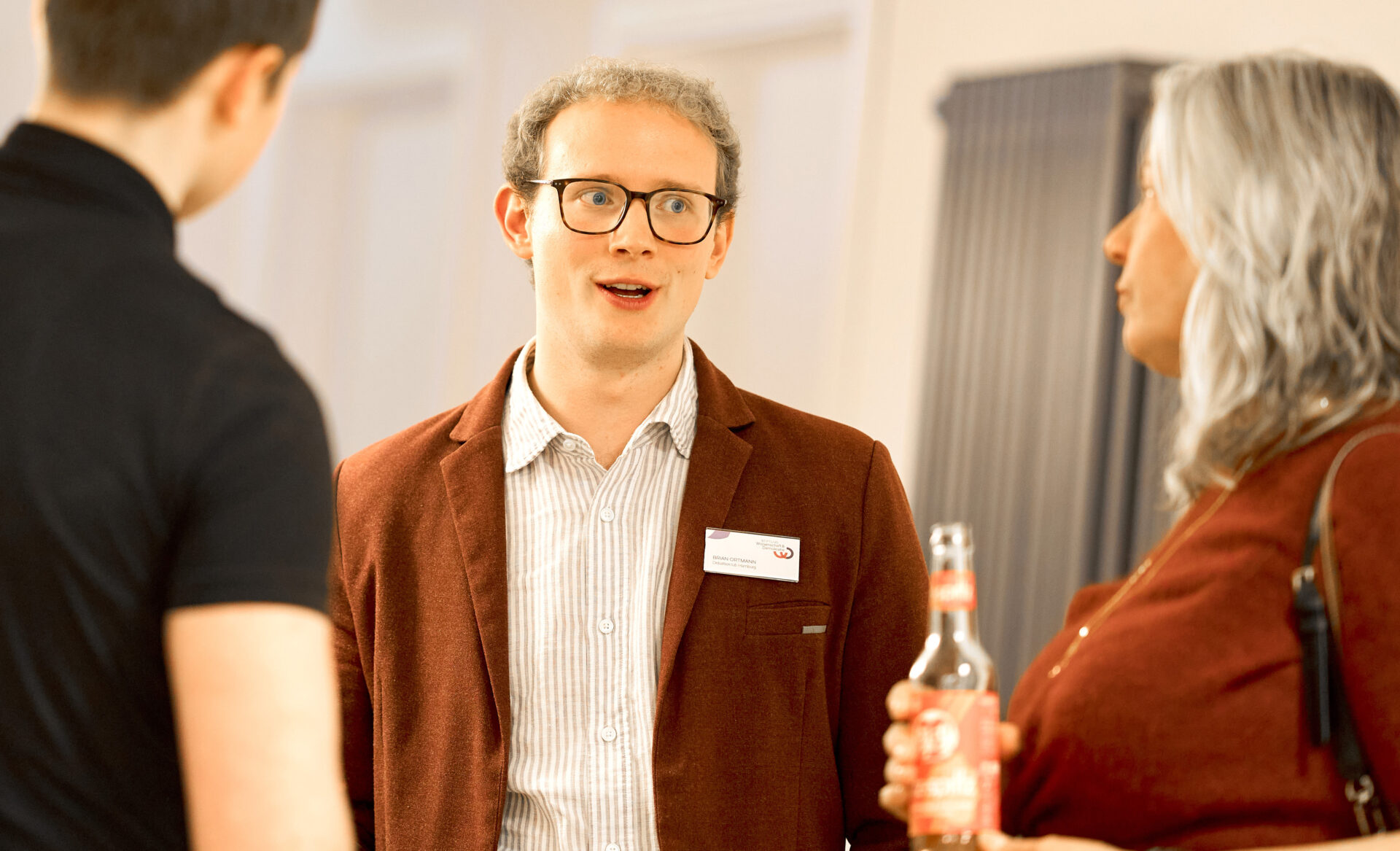
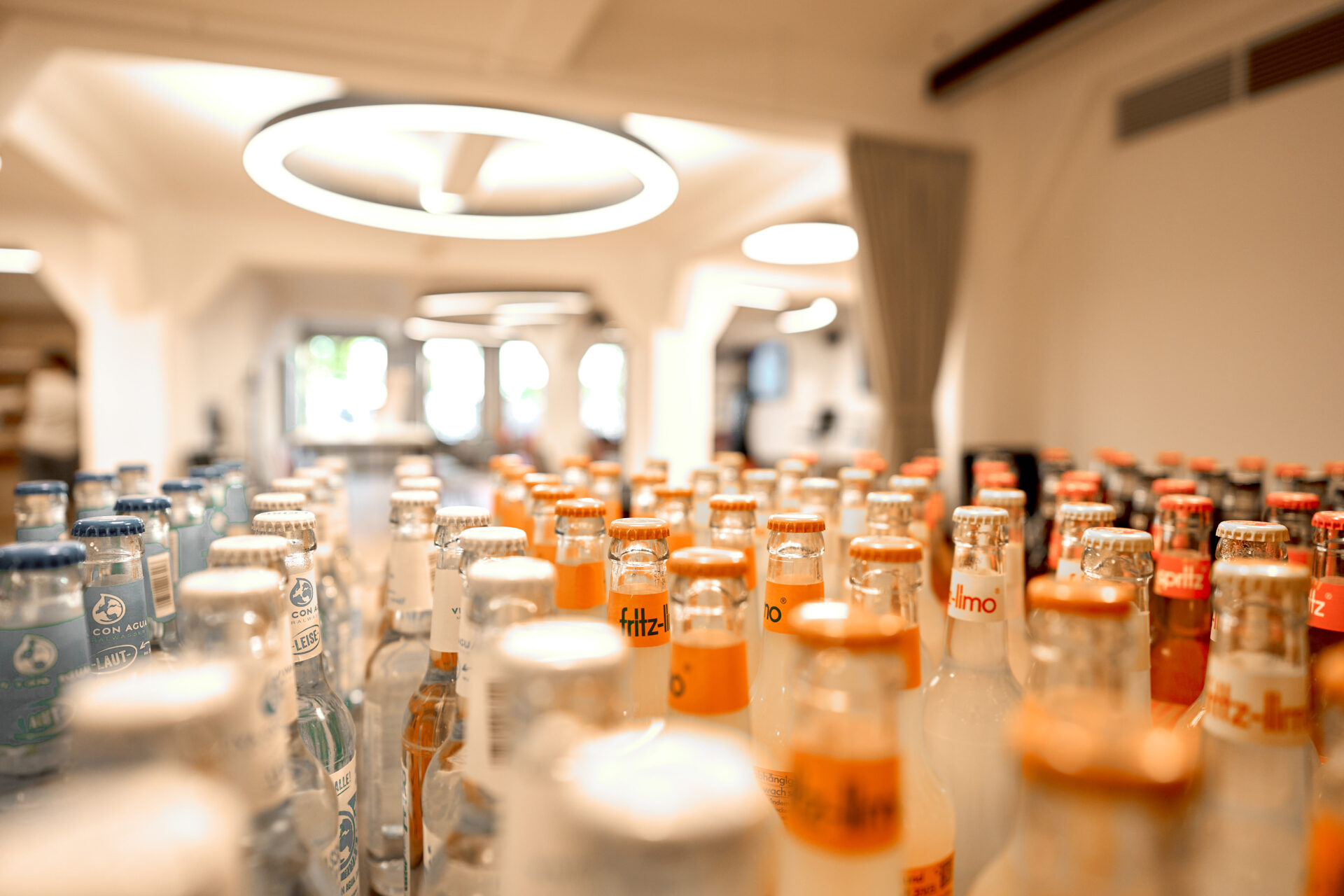
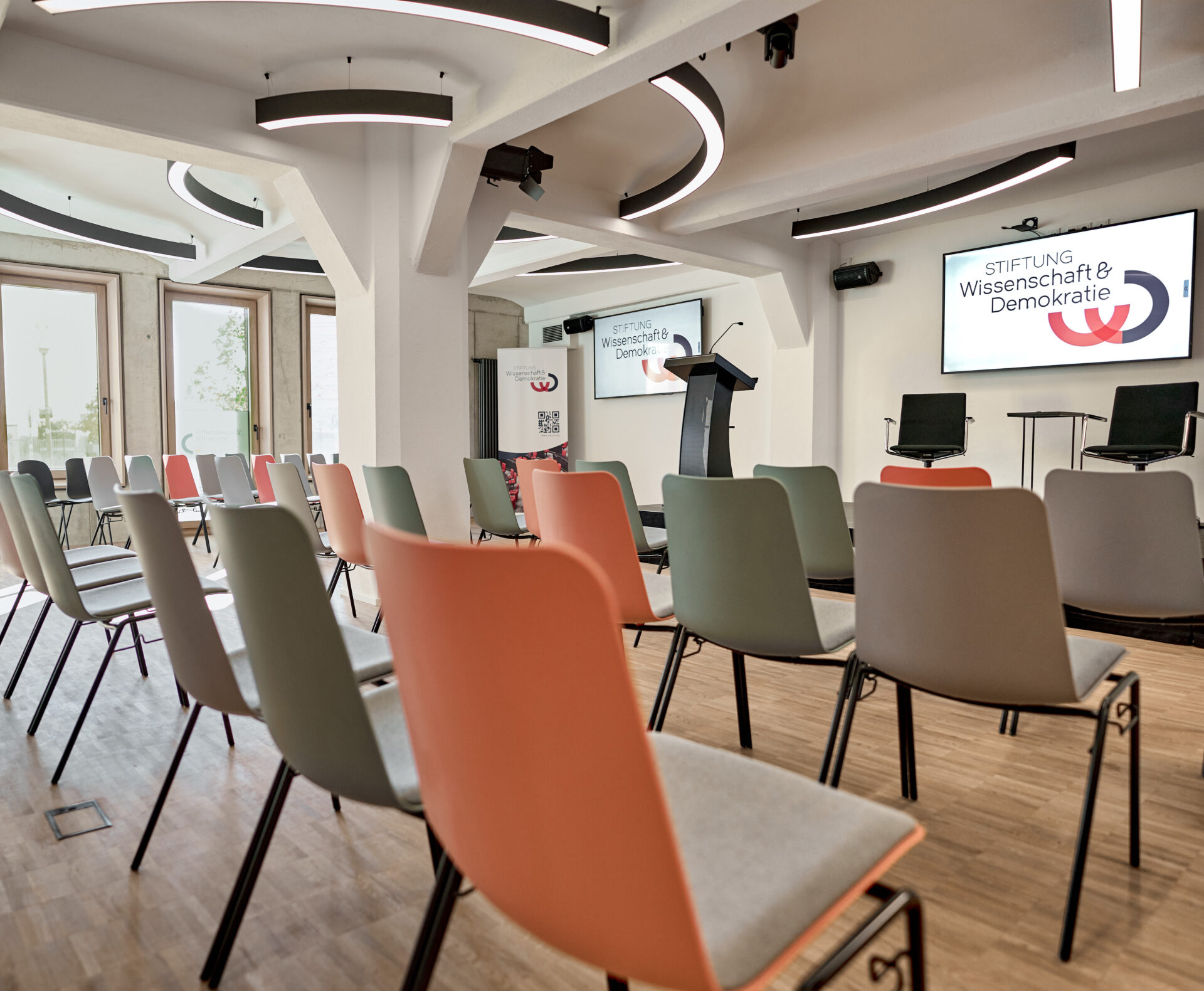
Impressions from the lecture
Photos: Eckhard Schmelter / SW&D