Report on the lectures by Prof Dr Wolfgang Merkel and David Kirchner
Part of our series "The future of democracy"
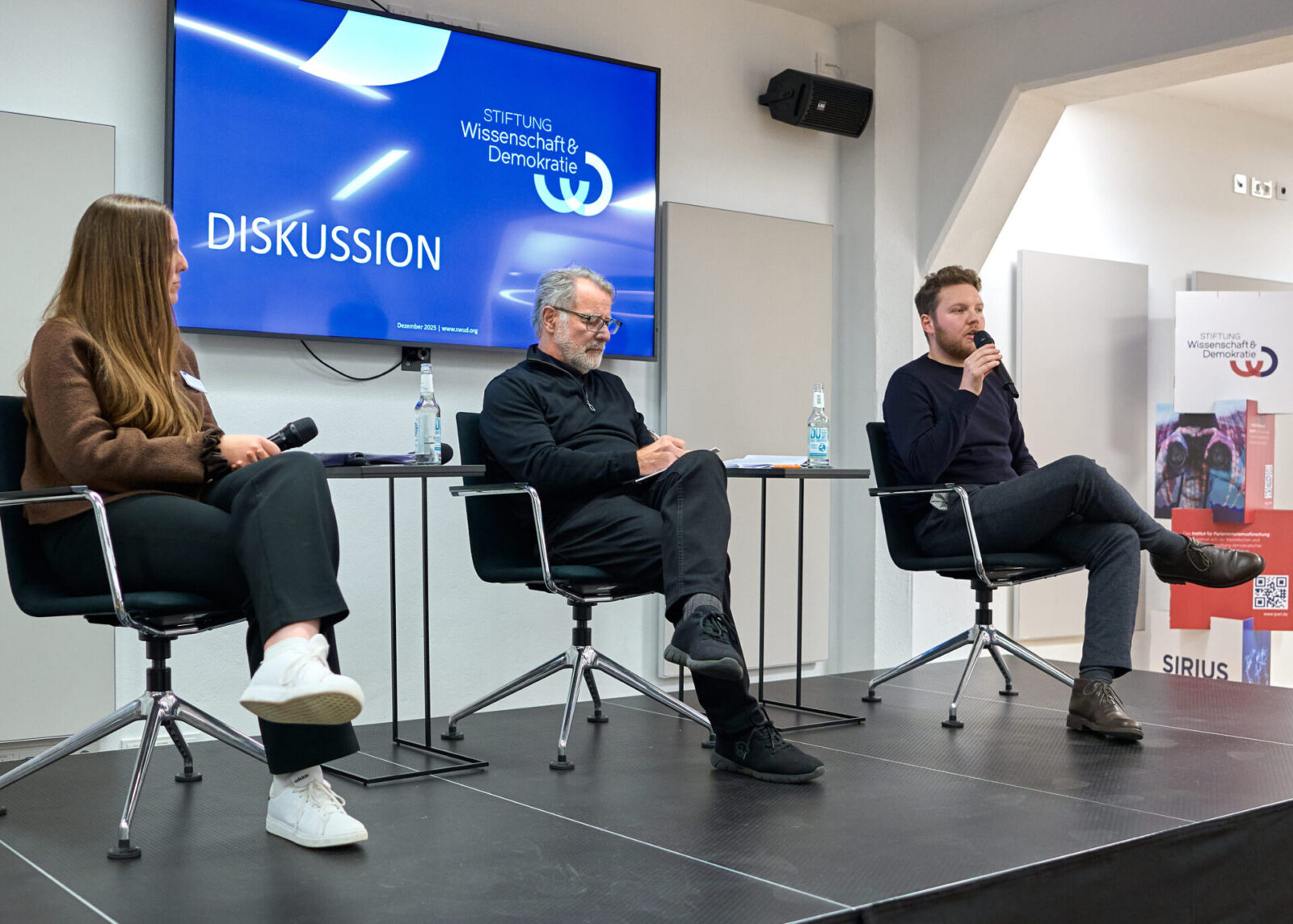
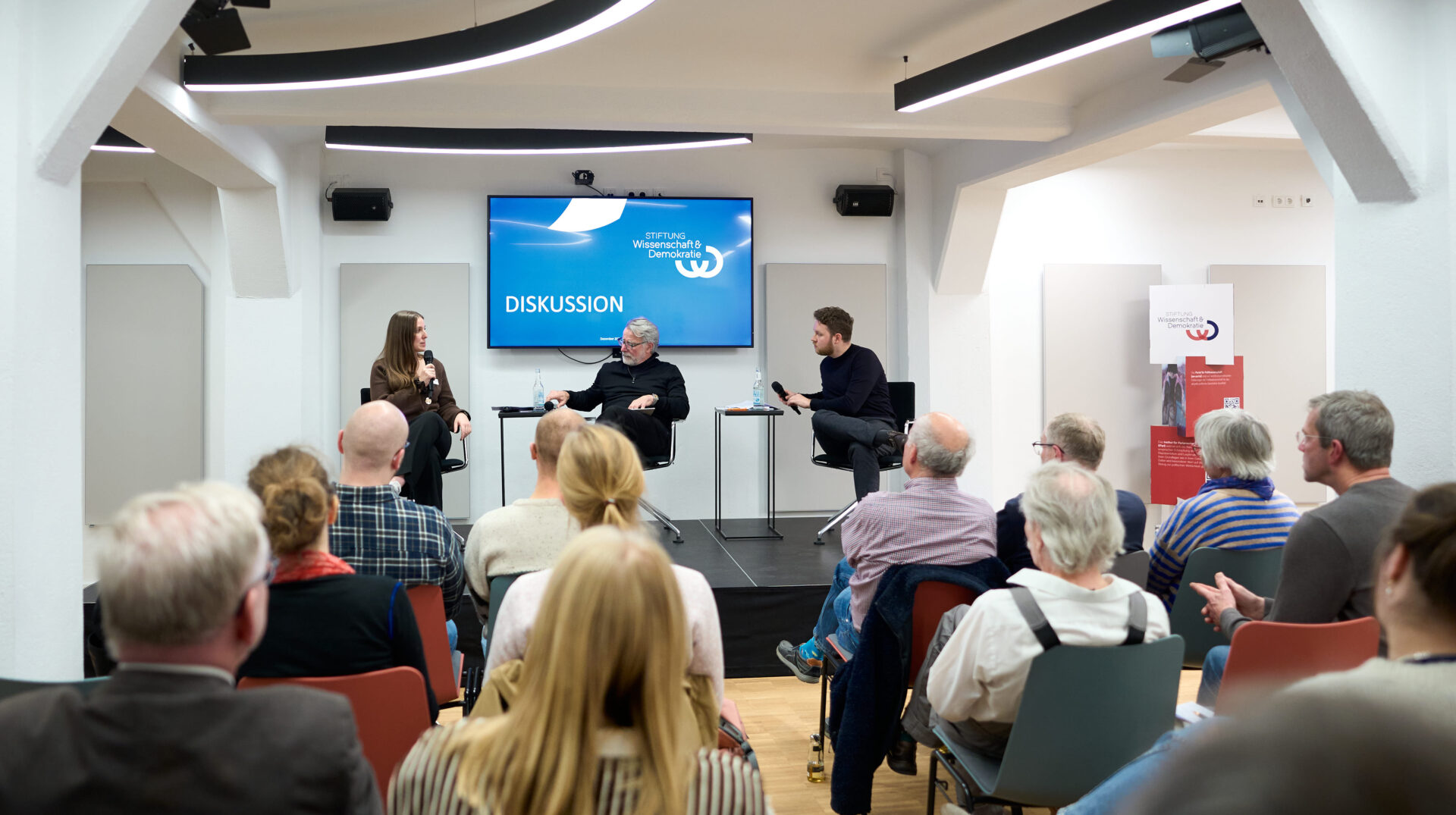
Under the title Democracy and capitalism: symbiosis or contradiction? the event was dedicated to a relationship that has oscillated between fruitful complementarity and deep conflict for decades. Prof Dr Wolfgang Merkel (WZB) and David Kirchner (pw-Portal) painted a multi-layered picture of this ambivalent relationship. The main focus was on the tensions arising from the different logics of political equality and the capitalist order, which are putting democratic systems under increasing pressure. At the same time, it was emphasised that capitalism also contributes to the stabilisation and further development of democratic structures. However, despite this differentiated view, the focus of the evening remained clearly on the fault lines where democracy and capitalism visibly collide today. The event was moderated by Julia Werner (SW&D).
Economic inequality as the foundation of political inequality
One of the key findings of the evening was the growing gap between economic and political equality. Current studies were used to illustrate the extent to which social differences are reflected in the political process.
People from lower income and education groups are significantly less likely to vote in elections - a distortion of democratic participation that can be observed in many Western democracies.
This imbalance is also reflected in parliamentary representation: employees and people without an academic background are significantly underrepresented. The speakers found that political decisions systematically take greater account of the preferences of higher income groups than those of the socially disadvantaged.
Democracy is thus losing one of its central pillars: political equality. According to the analysis, the underlying cause lies in the capitalist economic system itself, which not only creates inequality but also reproduces it structurally.
Erosion of democratic participation in the world of work
Another focus of the discussion was the question of how democratic principles are implemented - or undermined - in the world of work. Although collective bargaining autonomy and co-determination are important achievements of collective participation, these are increasingly coming under pressure. David Kirchner made it clear that the world of work in many areas remains characterised by unilateral decisions by employers, whose power is derived from ownership of the means of production - and less from democratic legitimation.
The recent weakening of trade unions, collective labour agreements and company participation rights shows that democratic co-determination is by no means a given in the economic sphere. This also reinforces the fundamental tension between the two systems.
Two systems, two logics: Why democracy and capitalism contradict each other
Professor Merkel also contrasted the different functional logics of democracy and capitalism. While democracy is based on collective decisions, equality and public debate, capitalism is geared towards private property, profit maximisation and competitive principles.
The comparison showed:
- Democracy generates political power through citizen status, elections and participation.
- Capitalism generates power through property and capital.
These systemic differences inevitably lead to tensions. Professor Merkel stated: Democracy needs capitalism - but capitalism does not need democracy.
Capitalist economies can exist in very different political contexts, from liberal democracies to state capitalist autocracies and oligarchic systems.
Global constraints and the dilemma of political organisation
Another key topic was the question of why democratic politics is finding it so difficult to counteract rising inequality. Several factors were identified:
- a systematic withdrawal of the lower classes from the political process,
- Electoral strategies that focus on the „centre“,
- cultural conflicts that overlay economic issues,
- the increasing power of economic elites, including tech billionaires
The presentation of the so-called Rodrik trilemmas, according to which democracy, national self-determination and far-reaching economic globalisation cannot be fully realised at the same time. Political systems have to decide which of these three poles they prioritise - a situation that poses challenges for many states today.
Economic change and geopolitical shifts
Looking at the global level, Prof Merkel outlined a clear change: away from the neoliberal paradigm of past decades and towards a more protectionist, industrial policy and geopolitically charged economic order. Tariffs, export restrictions, technology rivalries and tougher industrial strategies are increasingly characterising the international environment.
A sobering but constructive outlook
Both contributions and the discussion with the audience made it clear that the current symptoms of crisis are not due to a failure of capitalism - but to its triumph. Capitalism repeatedly prevails over attempts at democratic control and makes political decisions more difficult in favour of greater equality or social cushioning.
Nevertheless, the concluding outlook was not entirely pessimistic. Although a „shrunken version“ of democratic systems is to be expected, an abrupt collapse is by no means inevitable. Democratic politics can reclaim spaces - provided it sets a new fundamental course and places social and political equality more clearly at the centre again.
The event impressively demonstrated how complex and at the same time central the relationship between democracy and capitalism is. Both speakers approached the question with different emphases, but their diagnoses complemented each other to form a clear overall picture: capitalism creates dynamics that challenge basic democratic principles - and democracy must find ways to meet these challenges constructively.
Special thanks go to the audience, whose constructive and sometimes controversial contributions significantly enriched the exchange. Whether democracy and capitalism are symbiotic or in conflict with each other ultimately depends on individual interpretation.
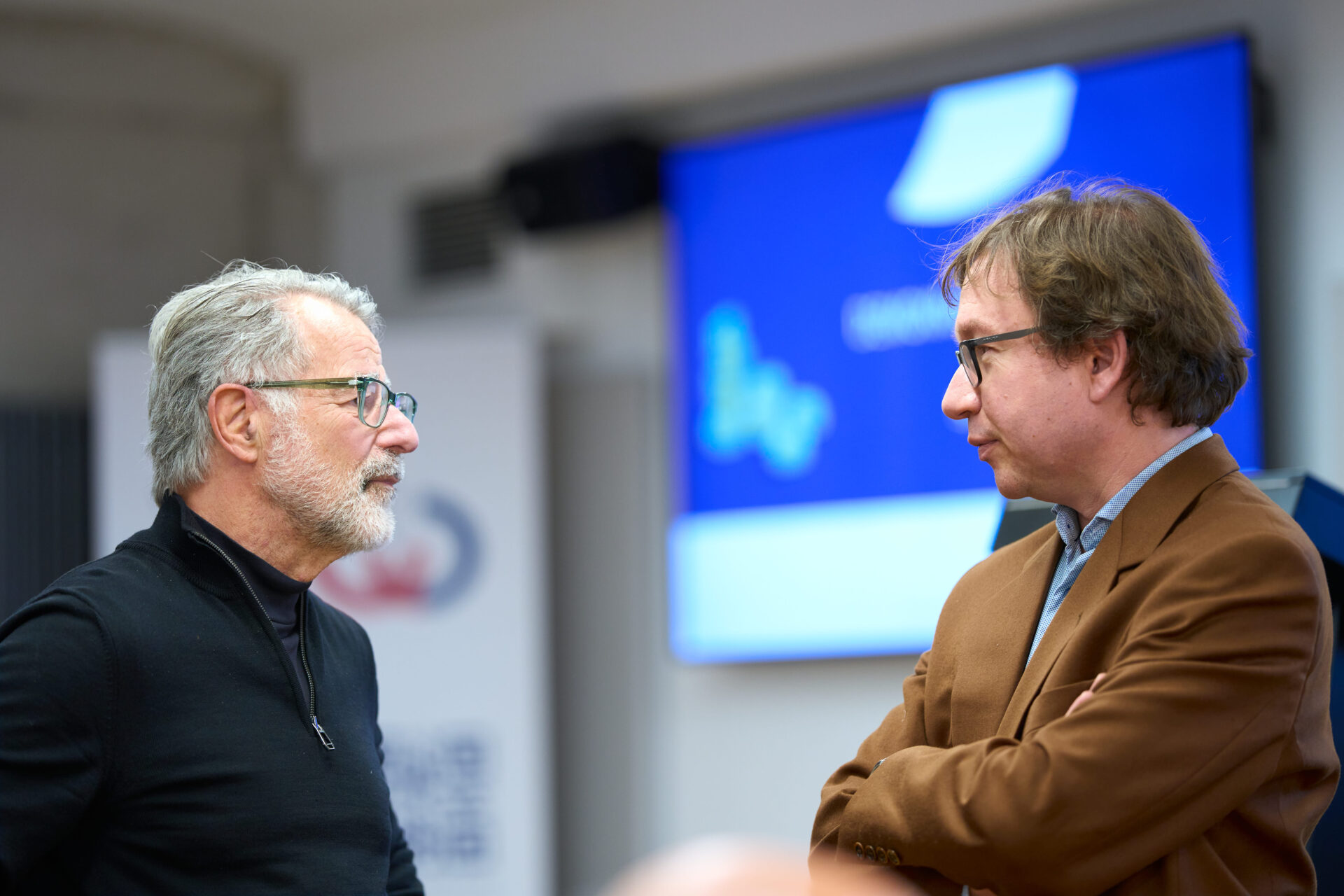
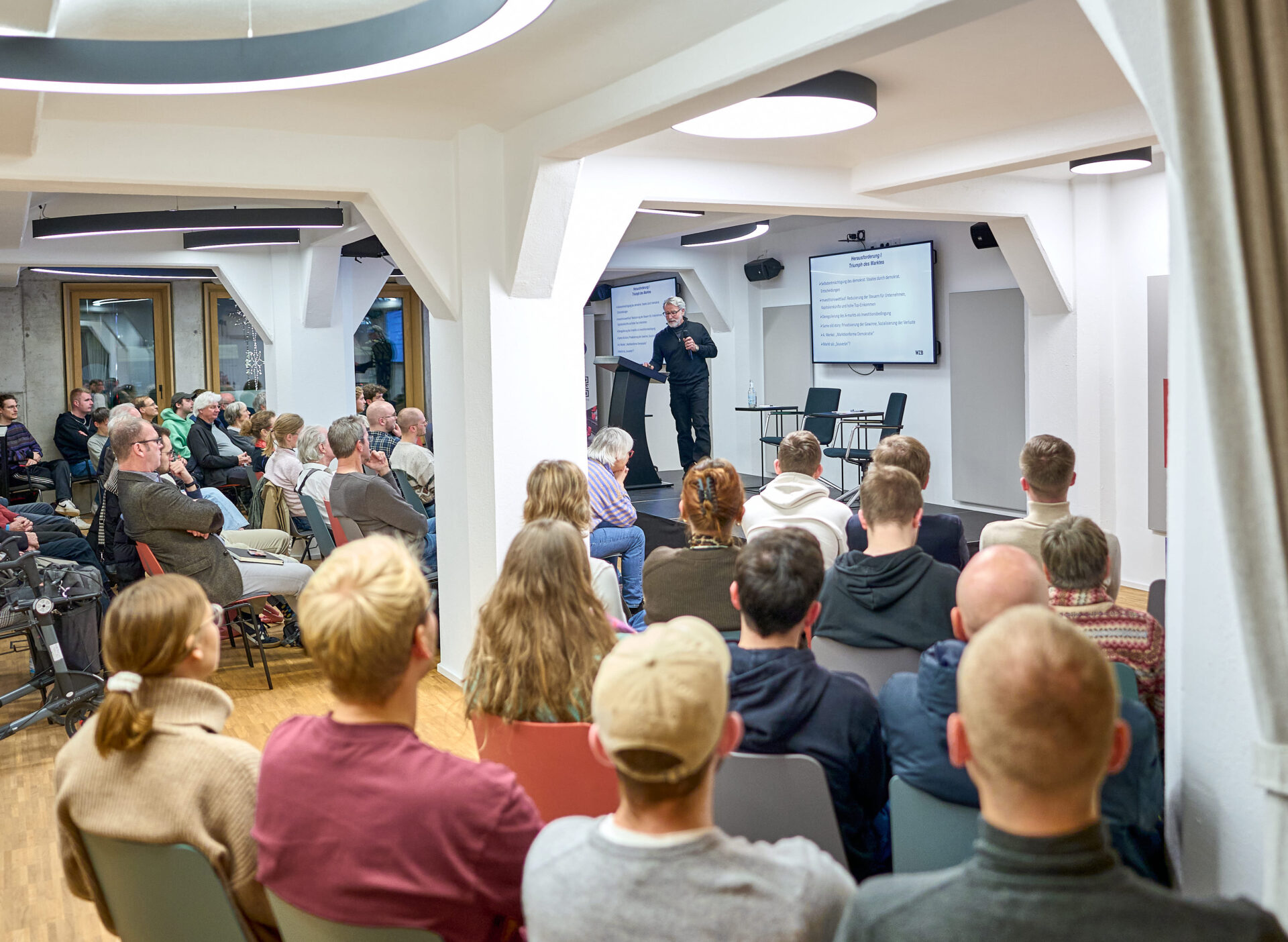
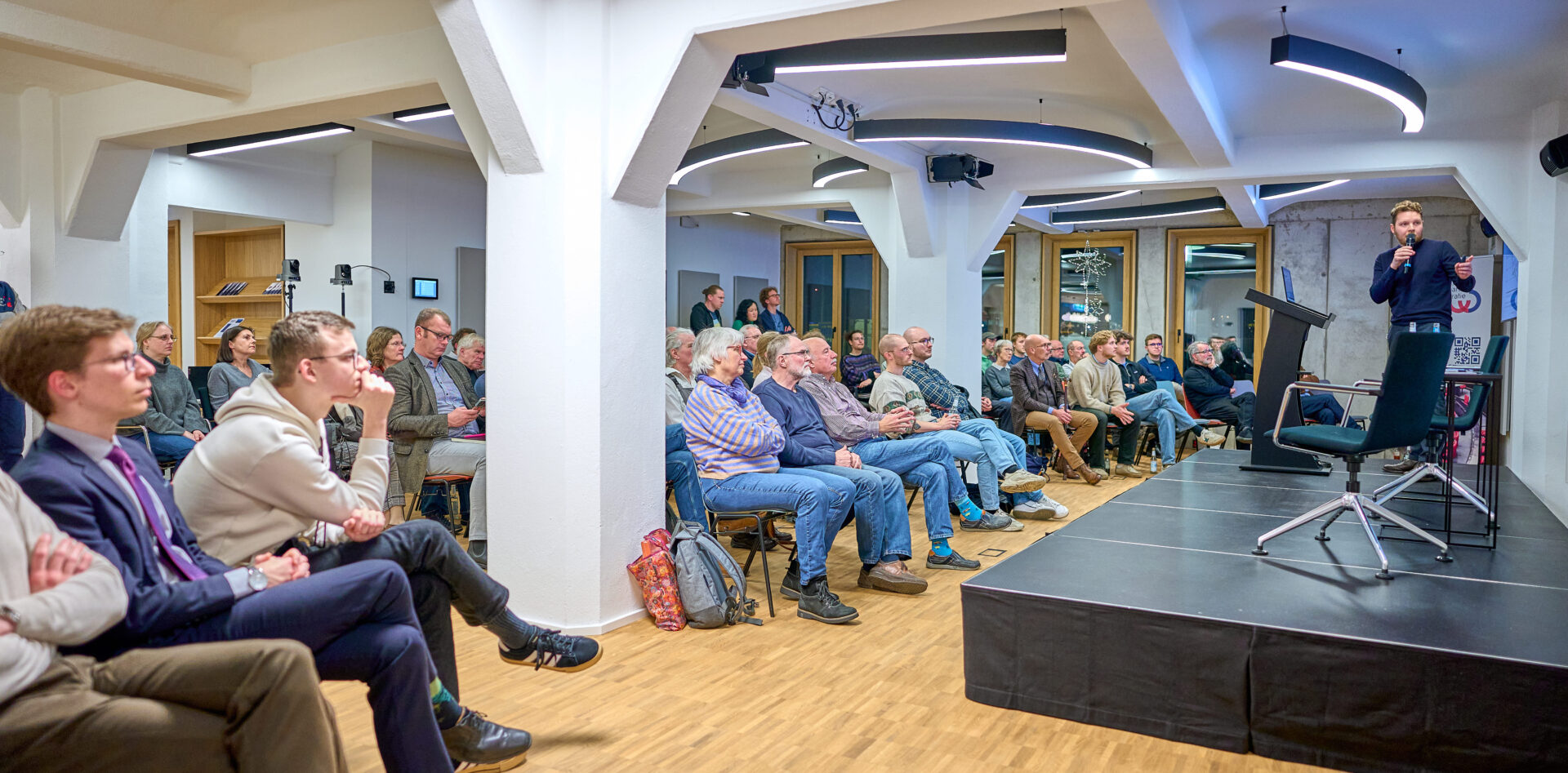
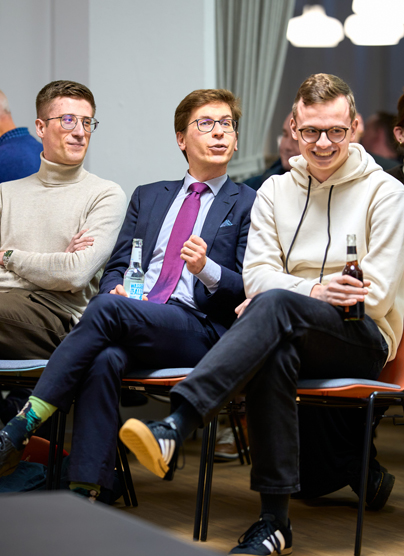
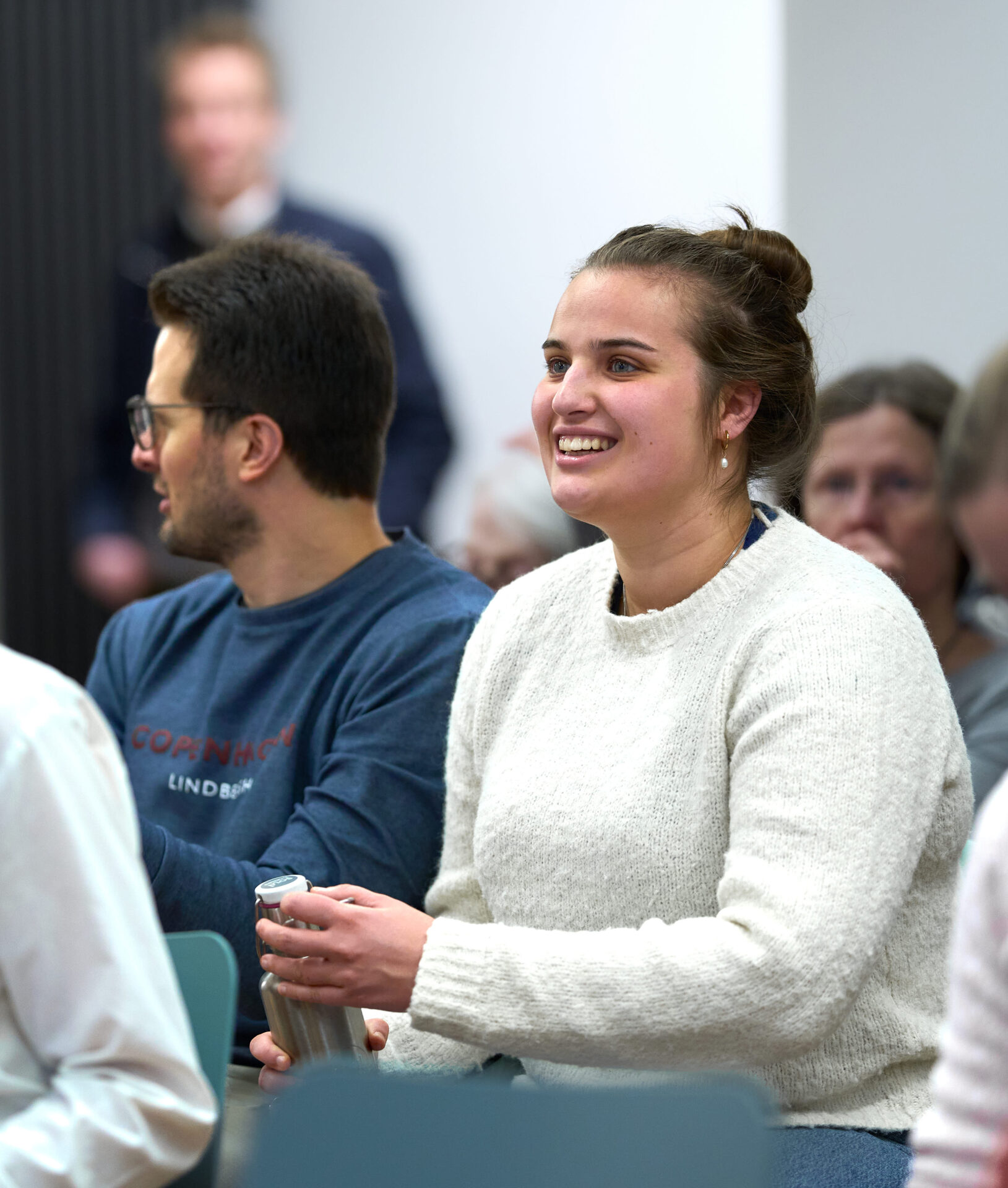
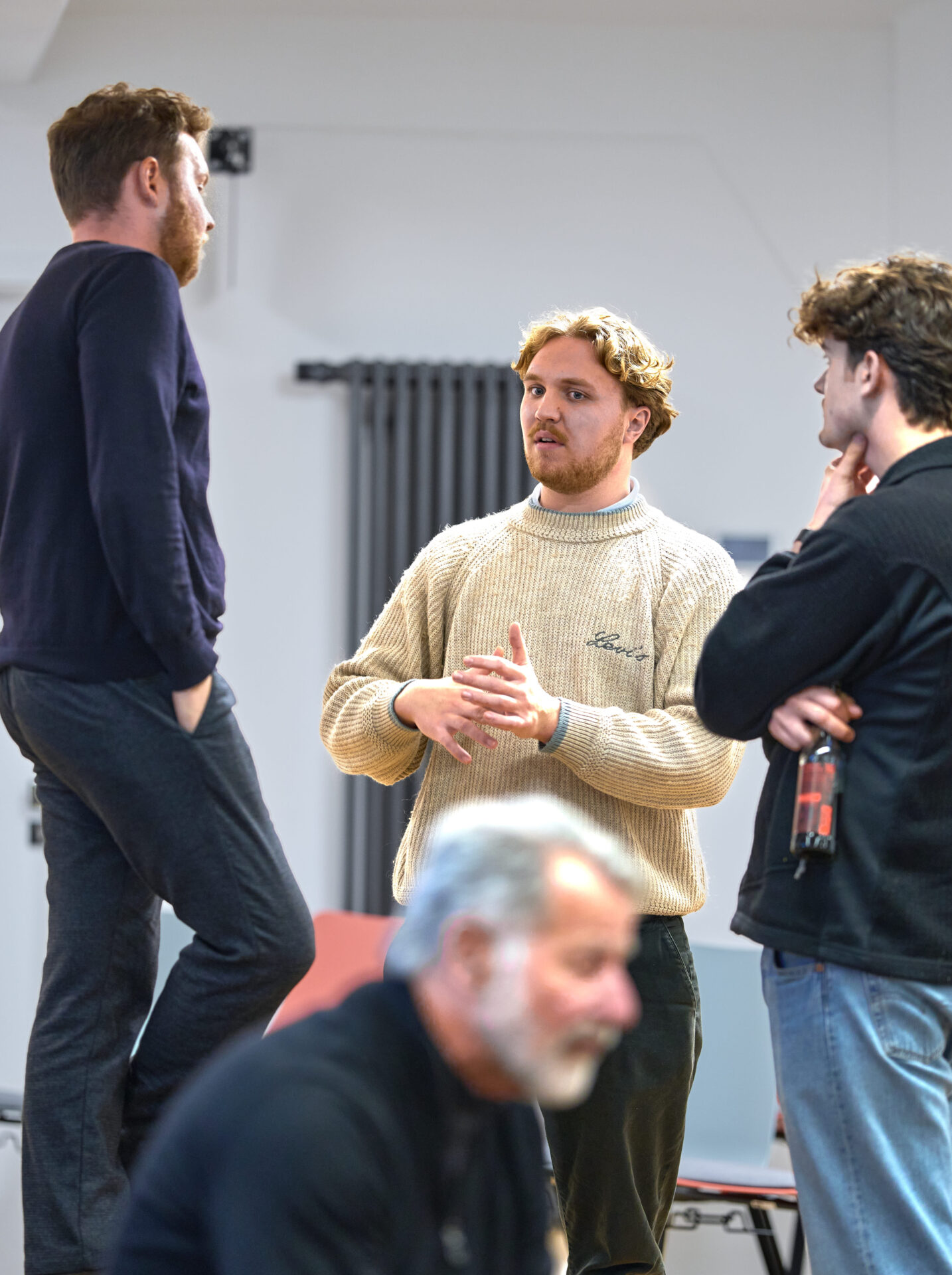
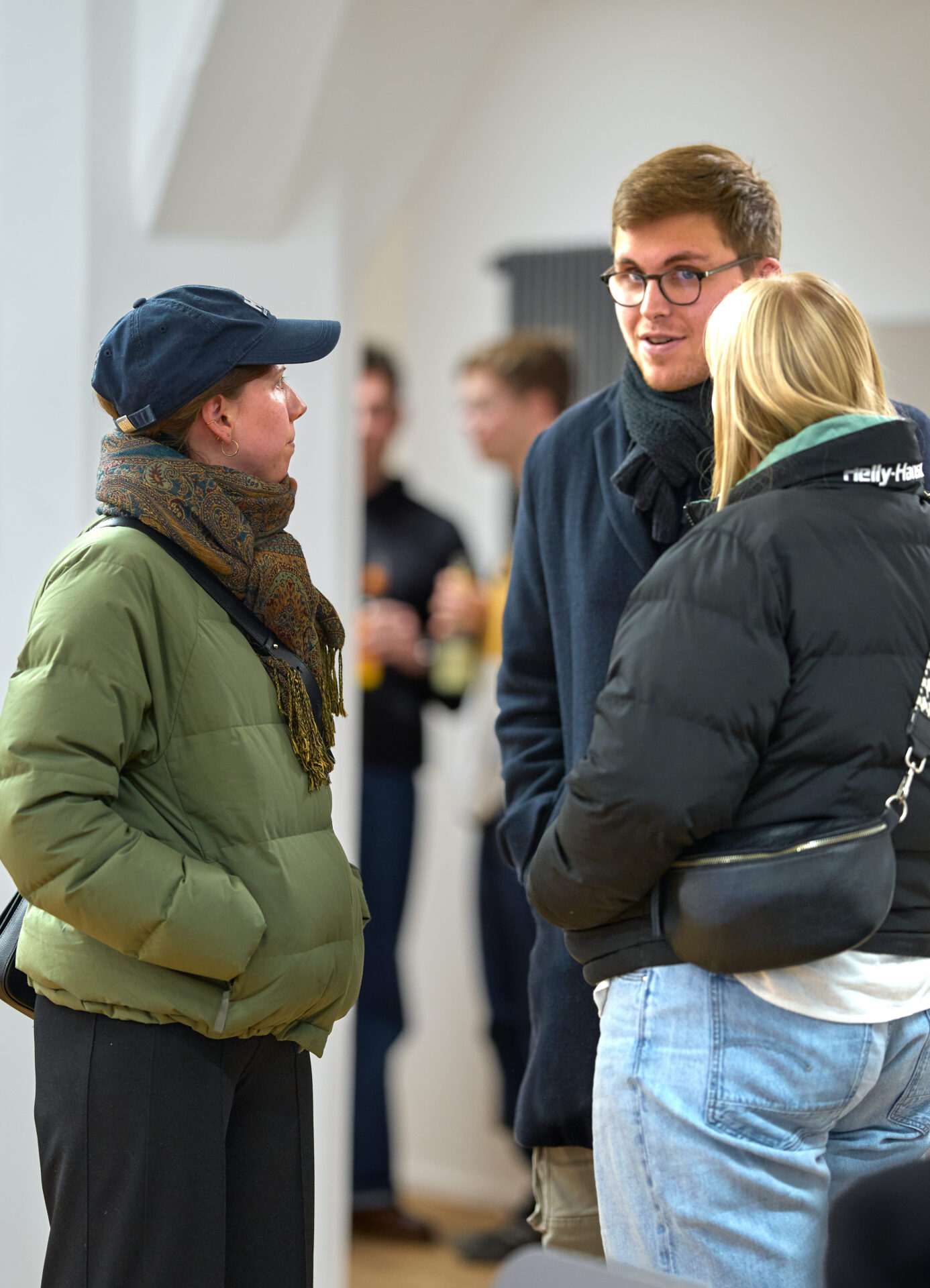
Impressions from the lecture
Photos: Eckhard Schmelter / SW&D