The new US security strategy and its consequences for Europe and Germany
Report on the lecture by Dr Stefanie Babst
A central certainty of the post-war order is increasingly faltering: the idea that international stability can be permanently secured through binding rules, multilateral institutions and the leading role of the United States. In the face of growing geopolitical tensions, a return of power politics and the visible erosion of normative foundations, the question of how sustainable the international liberal order still is - and what consequences this change will have for Europe and Germany - is more urgent than ever.
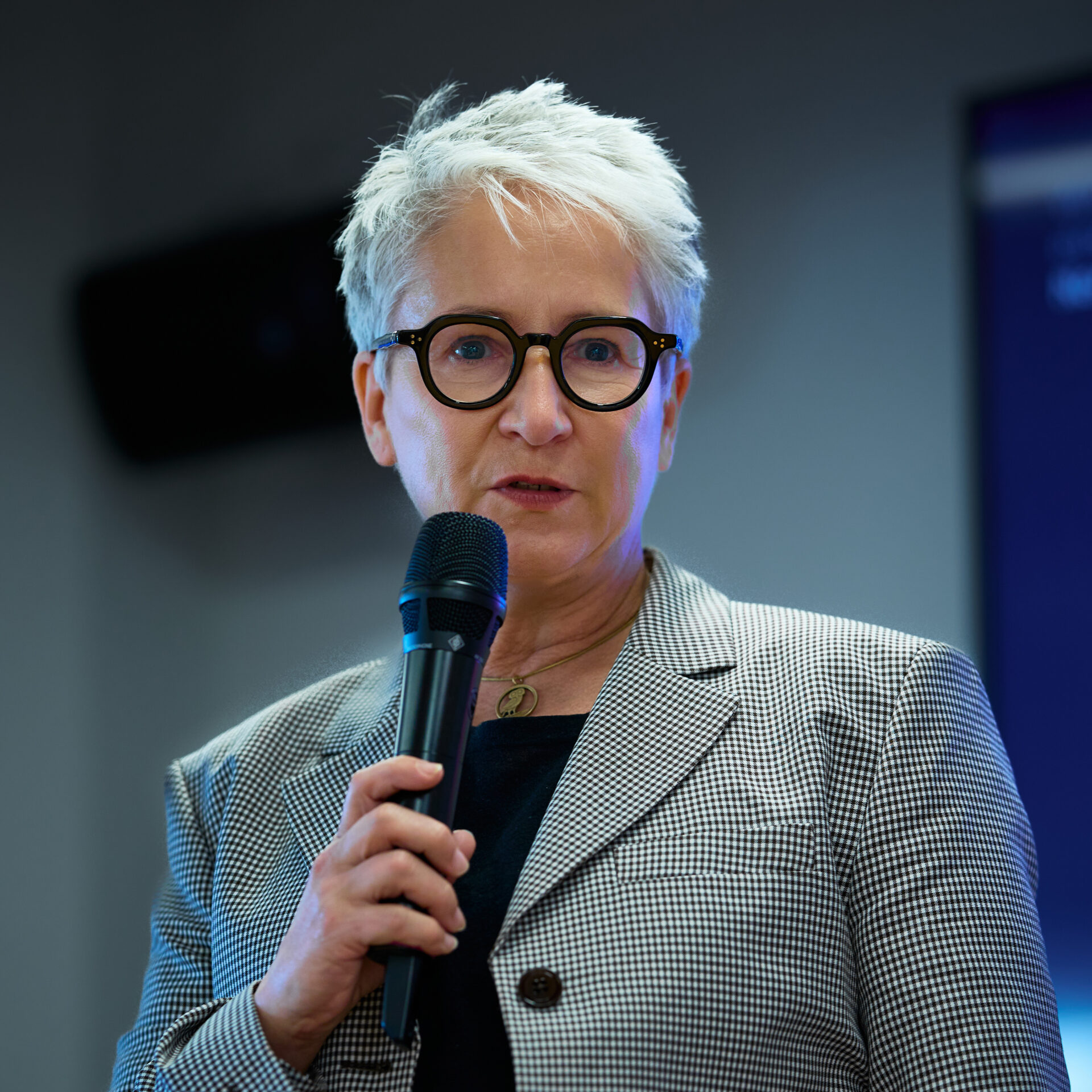
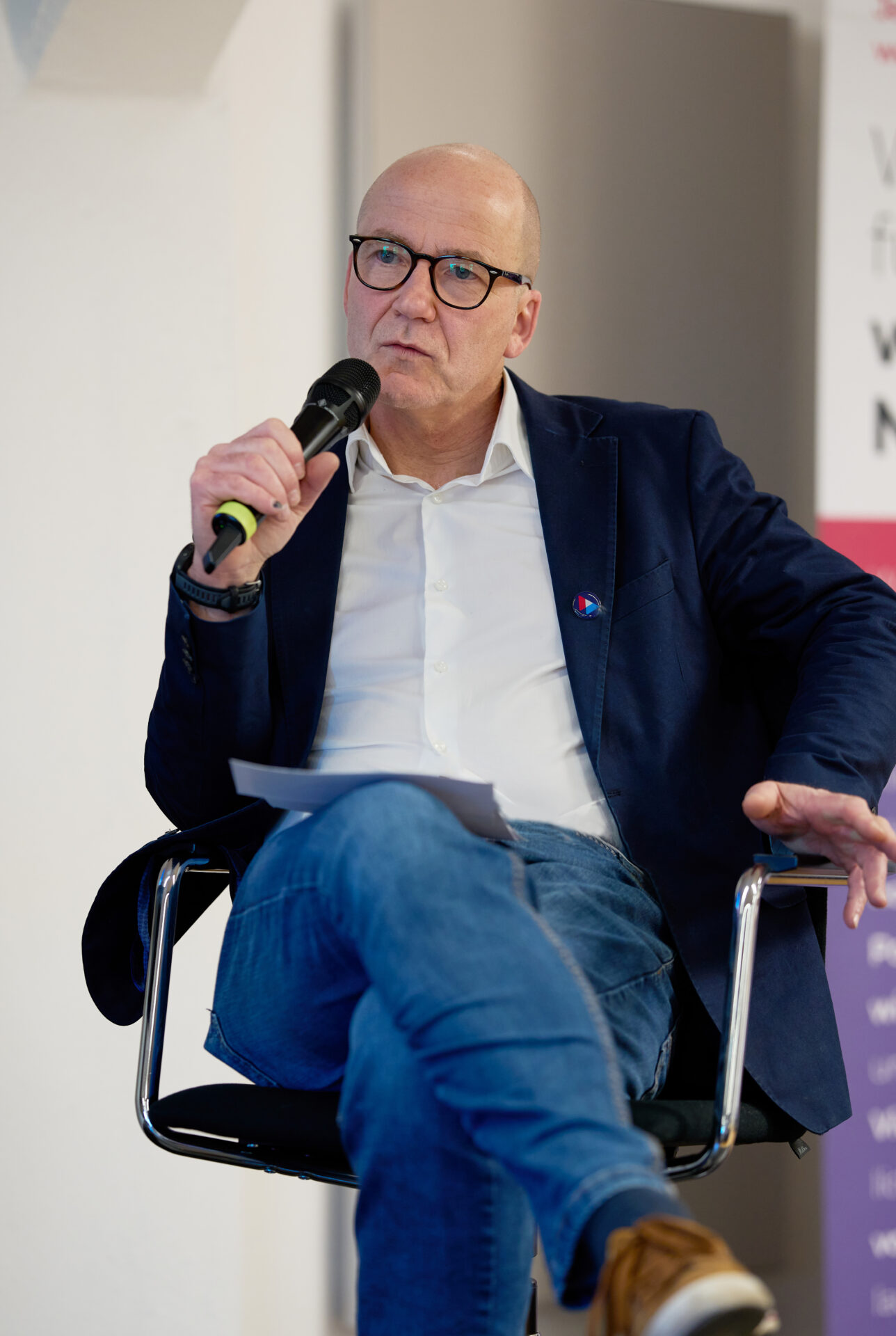
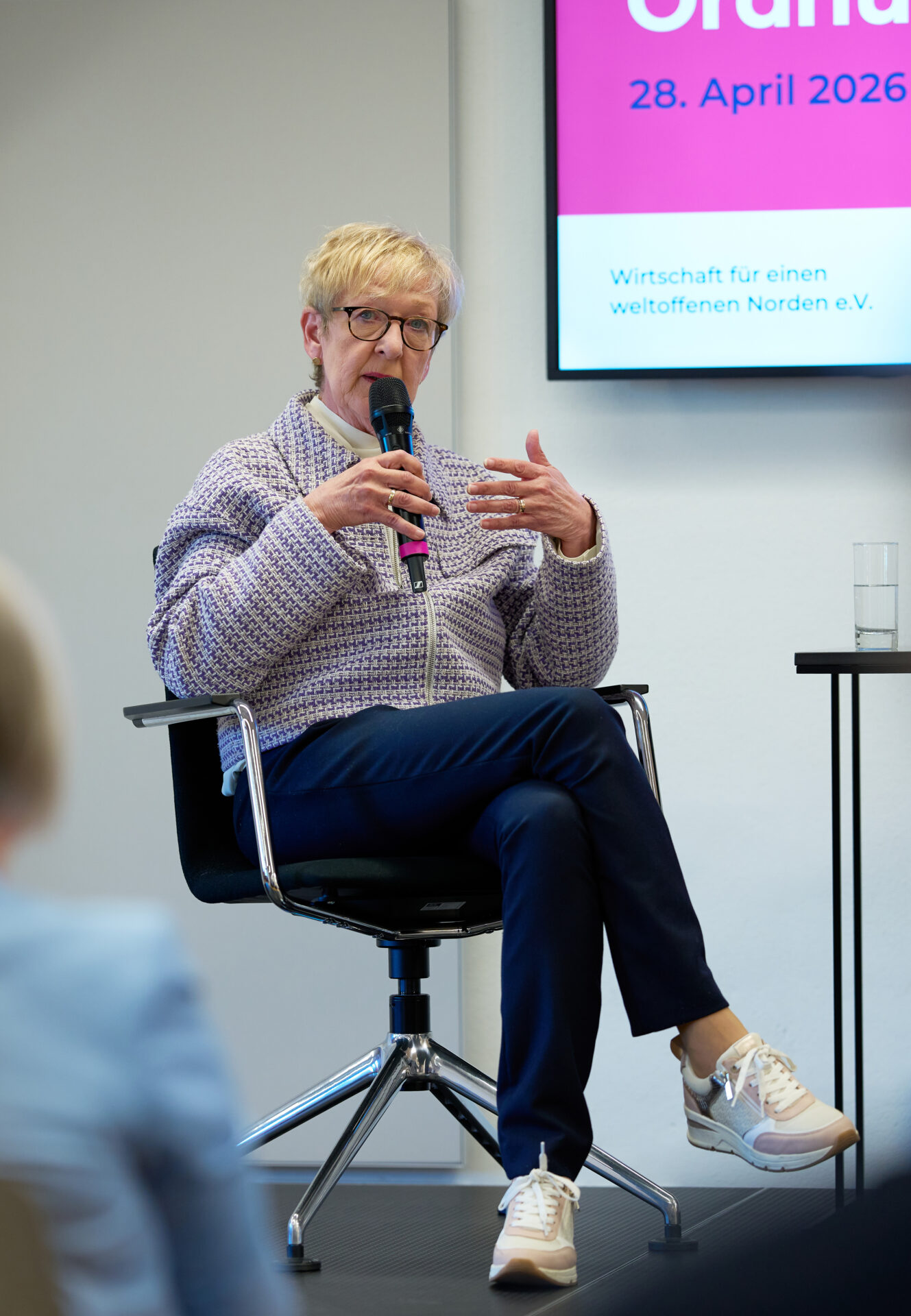
Against this backdrop, Dr Stefanie Babst, security policy expert and journalist, spoke at the Science and Democracy Foundation on 28 April 2026 about the new US security strategy and its consequences for Europe and Germany. The event was organised in cooperation with the Wirtschaft für einen weltoffenen Norden association and moderated by Bärbel Boy and Peter Schottes (board member of the association).
The liberal world order under pressure
Babst began by tracing the historical development of the so-called international liberal order. This was created after the catastrophes of two world wars with the aim of replacing power politics with binding rules. Central elements such as the prohibition of violence, the protection of human rights and the right of peoples to self-determination were enshrined in institutions such as the United Nations and international law.
At the same time, she made it clear that this order has never been free of contradictions. Countries in the Global South in particular have long criticised the selective application of the rules - not so much the norms themselves as their politically motivated interpretation. Although Europe and Germany had also seen themselves as defenders of this order, they had not been free of double standards in view of the partially selective application of these norms.
The break with previous certainties
The lecture centred on an analysis of the new US security strategy under President Donald Trump. Babst described a fundamental break with the USA's previous role as guarantor of the international liberal order. The new strategy follows the principle of „America First“ and is reminiscent in parts of a modernised Monroe Doctrine. International rules and institutions are becoming less important; instead, a transactional understanding of politics („pay and play“) dominates.
She made a particularly impressive reference to Trump's statement that he does not need international law - a signal that has an impact far beyond the USA. The United States had already withdrawn from numerous international organisations. At the same time, a strategic rapprochement with Russia is being sought, while multilateral structures are being further weakened.
Europe at the centre of American criticism
Another focus was on Washington's increasingly confrontational attitude towards Europe. The US government is not only criticising economic and regulatory aspects of the European Union, but is also fundamentally questioning its political and social model. Topics such as migration, freedom of expression, national sovereignty and demographic developments were specifically addressed.
At the same time, parts of the US government's political environment support right-wing populist and national conservative forces in Europe. Babst referred to a growing network of think tanks and political actors that are ideologically linked to the MAGA movement. This development could have a significant impact on the political stability and coherence of the European Union in the long term.
Geopolitical shifts and systemic competition
In addition to the USA, Babst also looked at other key players: Vladimir Putin has always criticised the international liberal order as a Western instrument of power and, by attacking Ukraine, has in fact violated the ban on the use of force. Xi Jinping, on the other hand, positions the People's Republic of China as a defender of the international order - even though China itself repeatedly violates the principles of the liberal order. According to Babst, China is primarily pursuing its own strategic interests and is increasingly claiming a leadership role for the global South.
Overall, a world is emerging in which power-political thinking is once again coming to the fore - a development that is challenging the foundations of international cooperation.
Options for action for Europe and Germany
In conclusion, Babst formulated concrete approaches for strengthening the international liberal order.
Firstly, she argued in favour of reforming and further developing multilateral institutions - even without the USA if necessary - and for closer cooperation between democratic states.
Secondly, she called for more consistency and credibility in the application of international standards. Selective interpretations must be overcome and political responsibility must be clearly stated.
Thirdly, she emphasised the need for greater European independence. Strategic sovereignty does not mean isolation, but the ability to act independently - both militarily and civilly.
Fourthly, she emphasised the importance of resilient democracies. In the face of growing disinformation, including through the use of artificial intelligence, efficient state structures and a strengthening of democratic processes are needed.
Impressions from the lecture
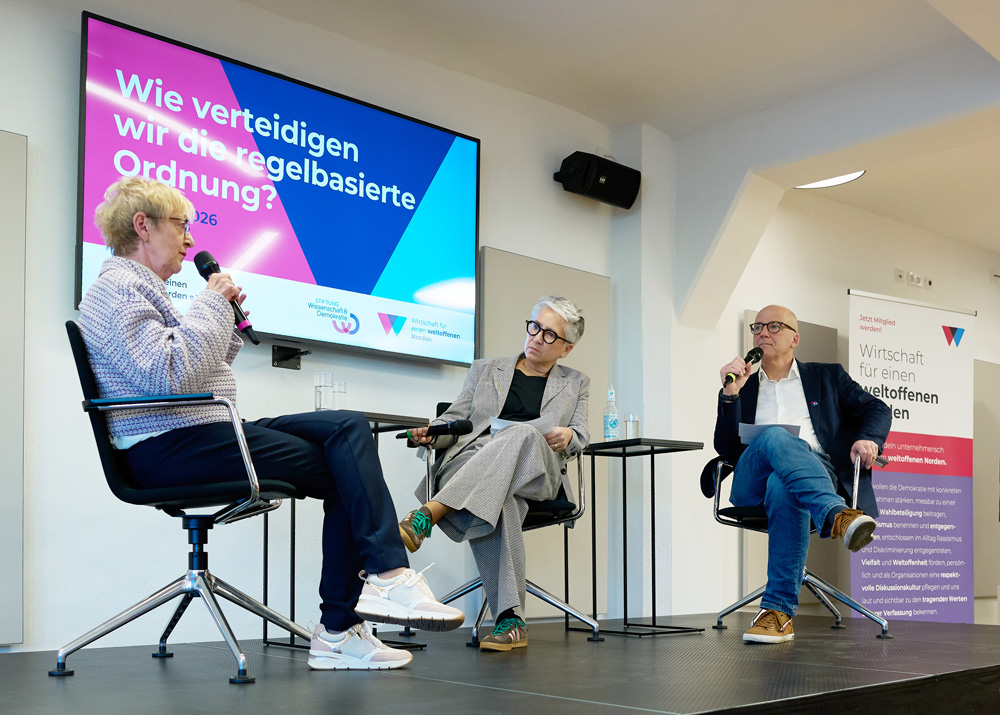
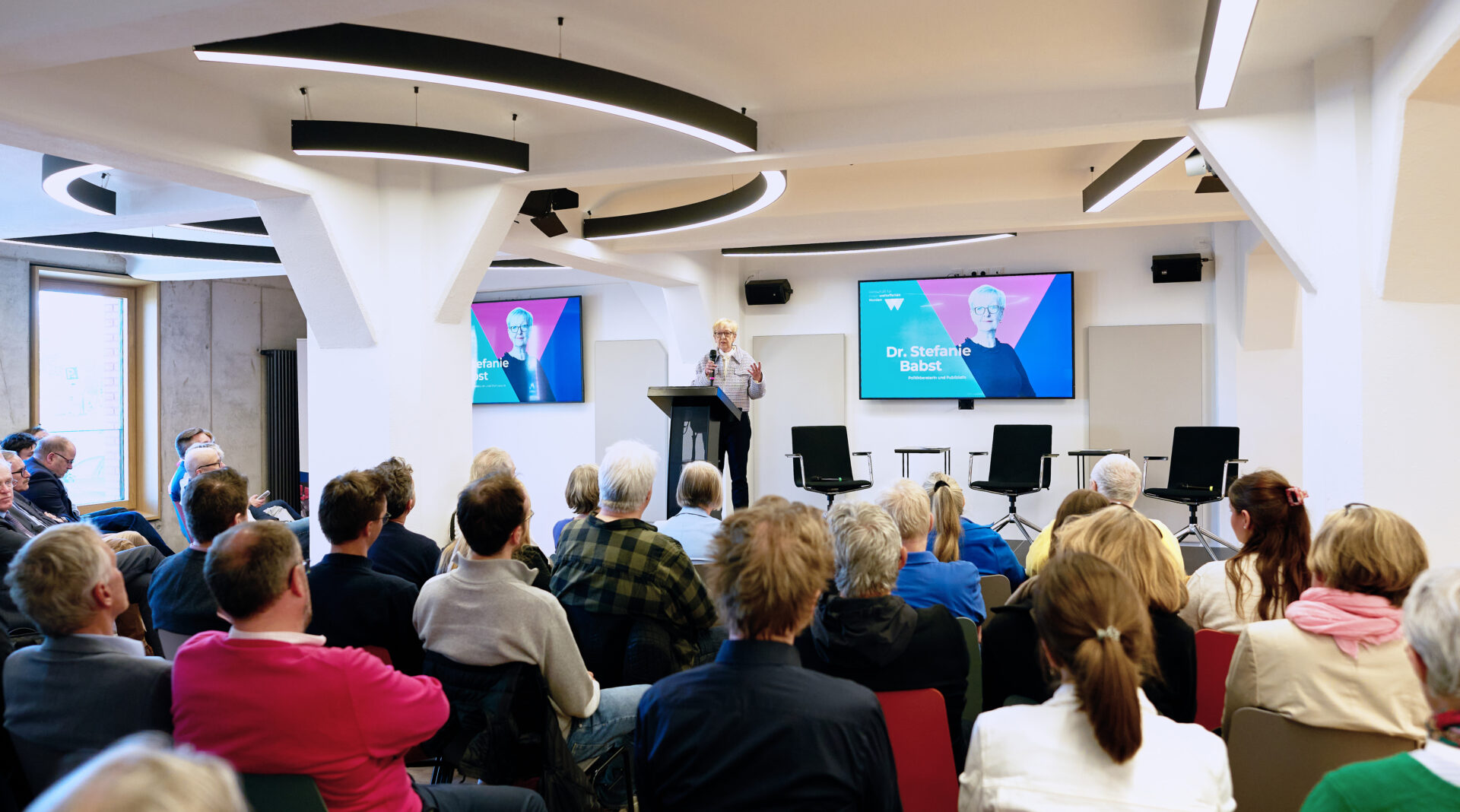





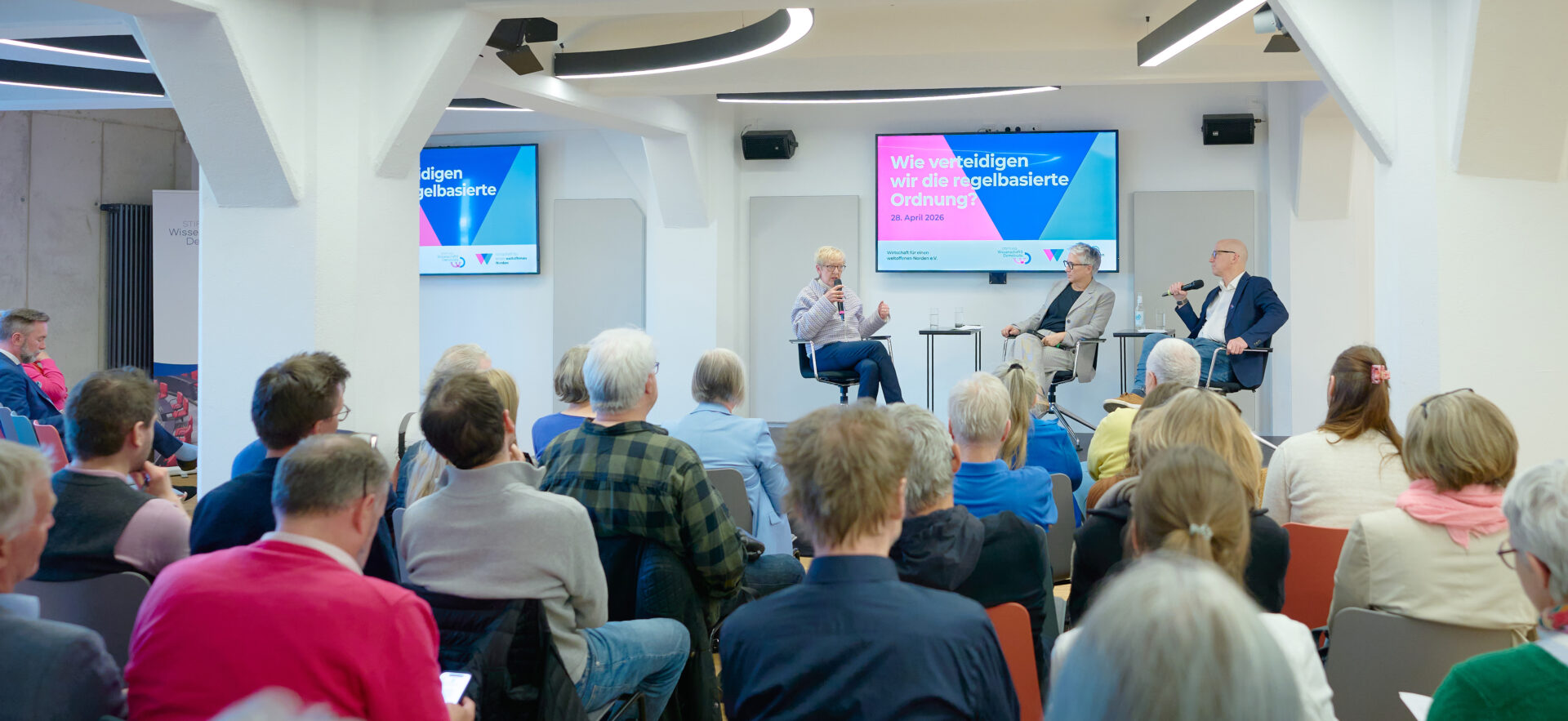


Photos: Eckhard Schmelter / SW&D