
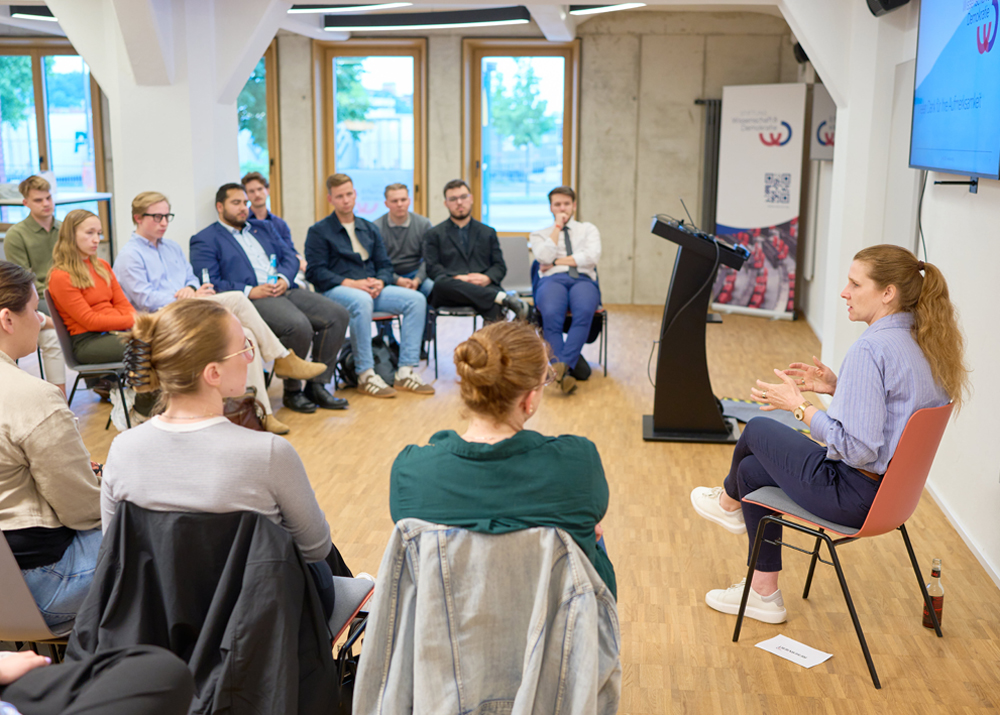
Report on the keynote presentation by Dr Astrid Kuhn
Scientific findings inform political debates. Whether it is climate change, the Covid-19 pandemic, dealing with a beached whale or artificial intelligence – political decisions are often made with reference to science. But what influence does science have on politics and society? How great should this influence be? Where are the limits of scientific advice? And how can scientific findings be reconciled with democratic decision-making processes? Against the backdrop of these questions, the event „The Role of Science in Democracy“ invited participants to explore the relationship between science and democracy in a closed discussion format, together with this year’s cohort of the Politiknachwuchs e.V. to examine in more detail.
The speaker was Dr Astrid Kuhn, Managing Director and Chair of the Board of the Foundation for Science and Democracy (SW&D).
Science and Democracy – Differences and Similarities
A key starting point for the lecture was the question of how science and democracy relate to one another. It became clear that the two systems follow different logics. Science is guided by the pursuit of knowledge and the ideal of value neutrality. Its findings remain, in principle, provisional and may be revised in the light of new discoveries. Democracy, on the other hand, is based on majorities, societal values and the aim of making reliable decisions for society.
Despite these differences, science and democracy share one key commonality: both depend on open discourse and the engagement with different perspectives. Scientific progress arises from critical scrutiny and the competition of arguments – just as democracy thrives on the negotiation of differing positions and interests. At the same time, both are interdependent: science can provide a sound knowledge base for political decisions, whilst democratic structures safeguard, for example, the freedom of research and teaching.
Between science and political responsibility
Another key focus of the lecture was the role of science in political decision-making. Dr Astrid Kuhn emphasised that scientific findings can form an important foundation for political decisions. They help to understand complex interrelationships, assess the potential consequences of political action, and highlight different courses of action. Science thus provides guidance, but it does not make political decisions.
What is crucial is a clear separation of the roles of science and politics. Whilst science provides insights, it is politics that decides which objectives to pursue and which interests should be weighed against one another. Scientific research should not be equated with either irrefutable truths or mere opinions. It is based on methodological scrutiny, but remains fundamentally open to new findings and corrections. Science cannot replace political decisions. Science is not authorised to make political decisions.
Challenges in times of crisis
Particular attention was paid to the role of science in crisis situations. In times of great uncertainty, there is a growing expectation that science can provide clear-cut answers to complex problems. However, the lecture made it clear that scientific findings cannot resolve conflicting political and social objectives. If scientific statements are regarded as the sole basis for political action, there is a risk that questions of values and democratic negotiation processes will be sidelined.
In addition, the current challenges facing the scientific community were addressed. Discussions centred on both the ways in which politics can influence scientific work and the attempts by populist and authoritarian actors to delegitimise scientific institutions and findings. Against this backdrop, attention also turned to the question of the neutrality of science and the conditions necessary for its independence.
To conclude, Dr Kuhn discussed how to deal with scientific information in everyday life. Scientific statements should be scrutinised critically: What is being said? Who is saying it? And how is it being said? At the same time, he emphasised the importance of being able to deal with uncertainty. Those involved in science do not always provide identical, unambiguous answers. The lecture concluded that a reflective approach to this uncertainty is an important prerequisite for an informed, democratic public.
Impressions from the lecture






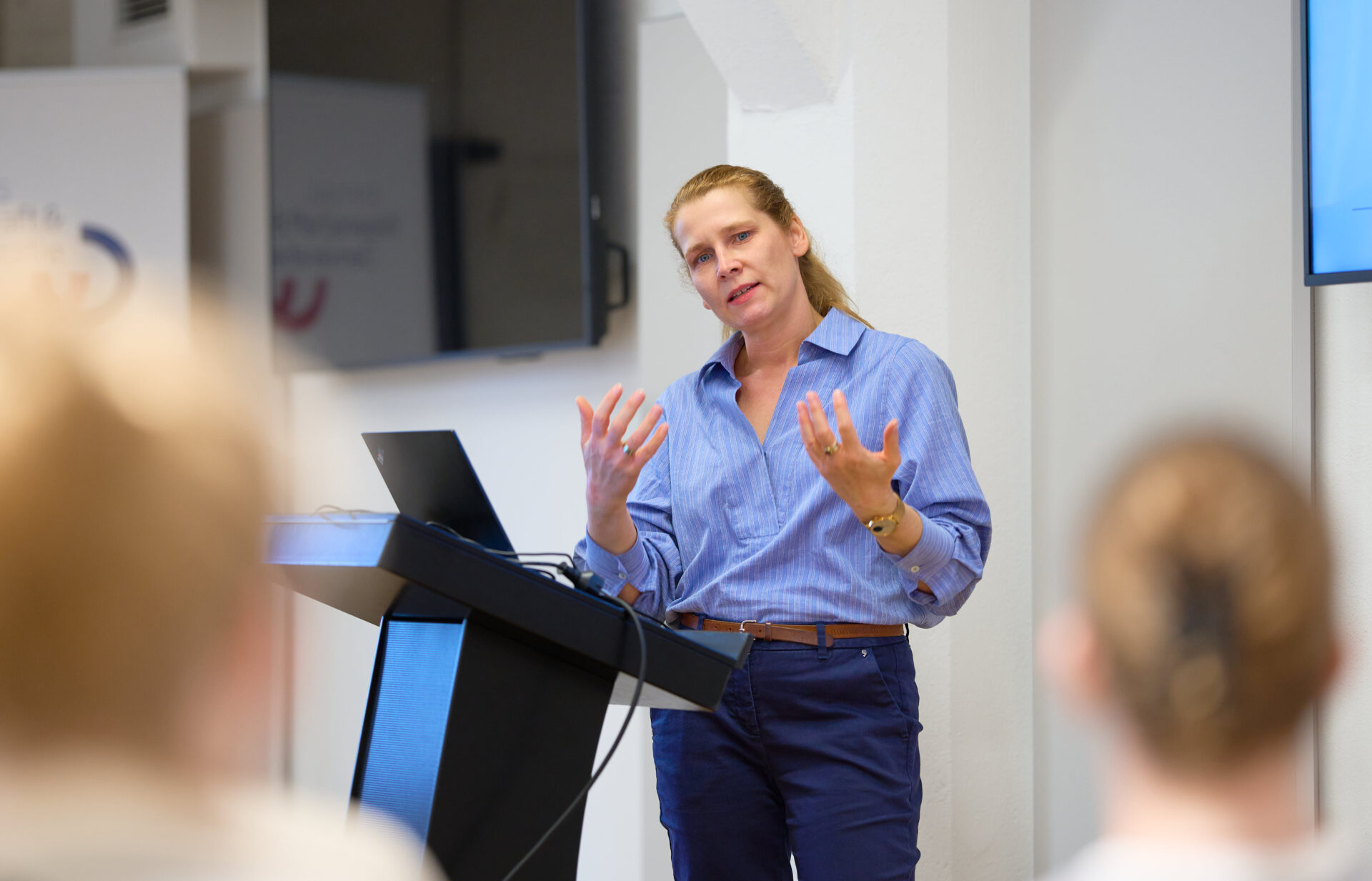
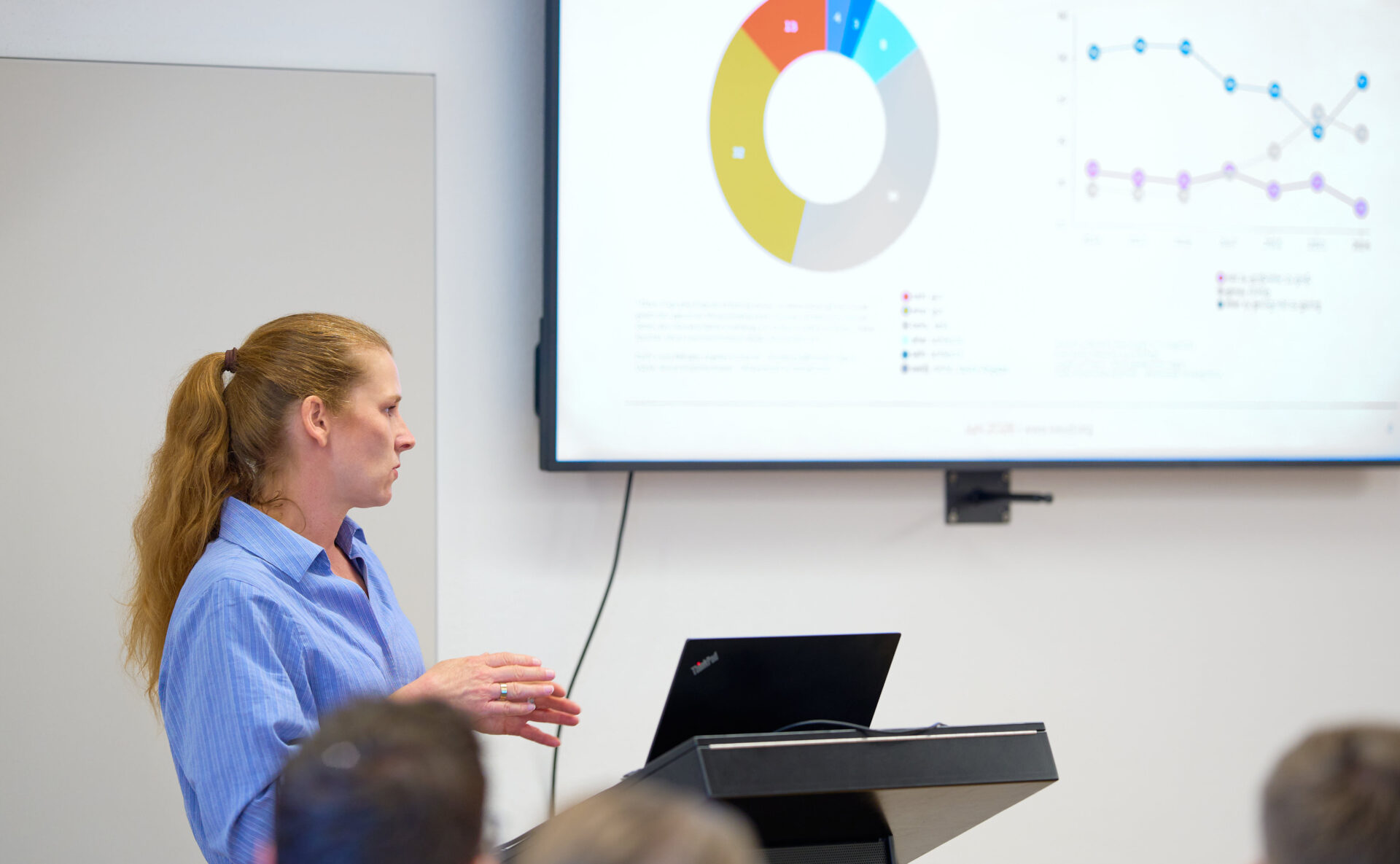
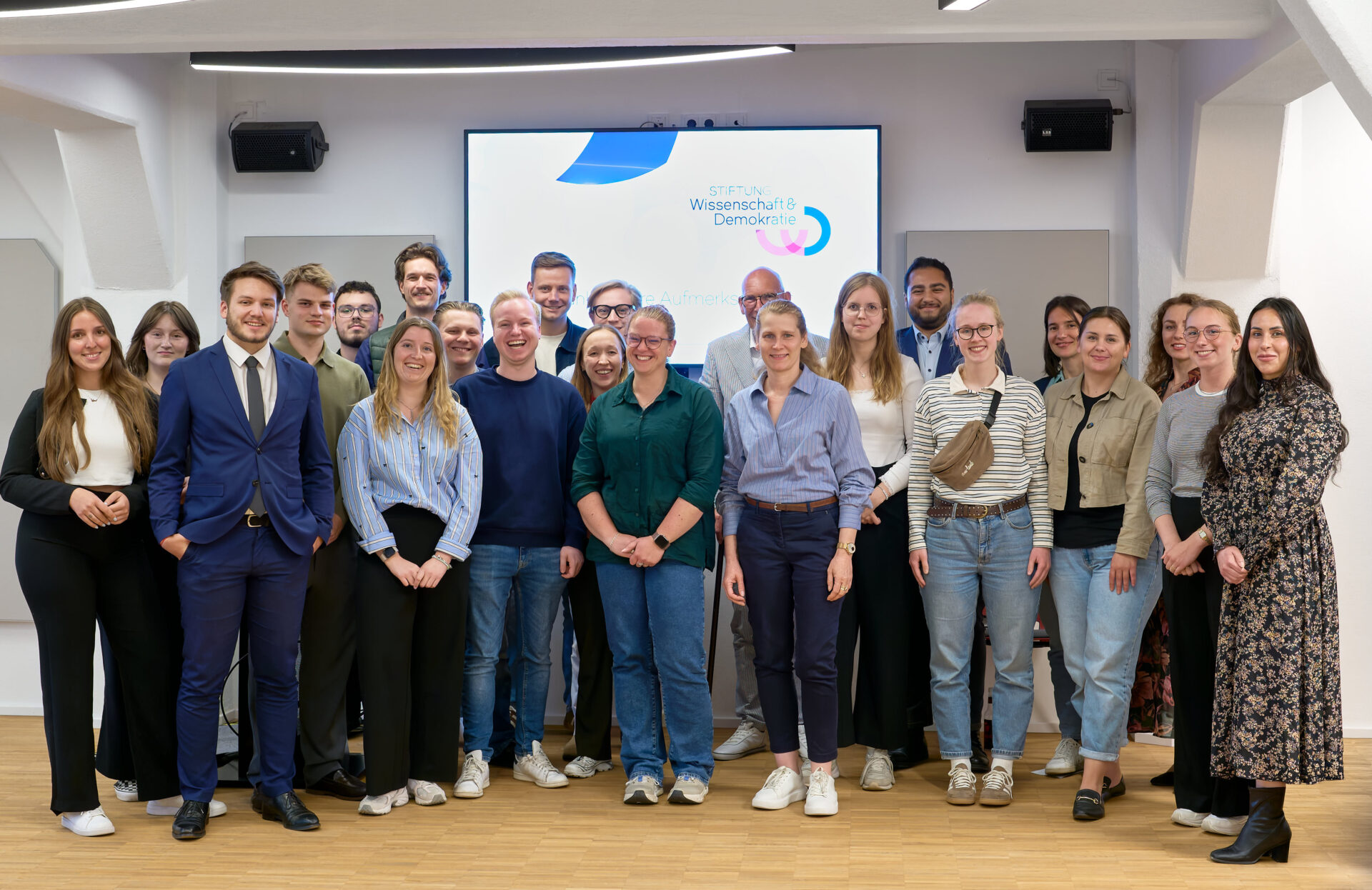
Photos: Eckhard Schmelter / SW&D