Report on the lecture by Dr Malte Lierl
Democracy was long regarded as a successful political model. Following the end of the Cold War, liberal democracy appeared to be spreading across the globe – accompanied by the hope that democratic institutions and „rules of the game“ would not only strengthen freedom and political participation, but also promote stability and security. Today, however, a different picture is emerging: authoritarian regimes are gaining influence worldwide, a wave of democratic backsliding is evident, and the track record of international democratisation efforts is mixed. Against this backdrop, the event „Exporting Democracy and Security: A Failed Mission?“ invited participants to consider whether democracy can be promoted from the outside at all – and if so, at what cost?
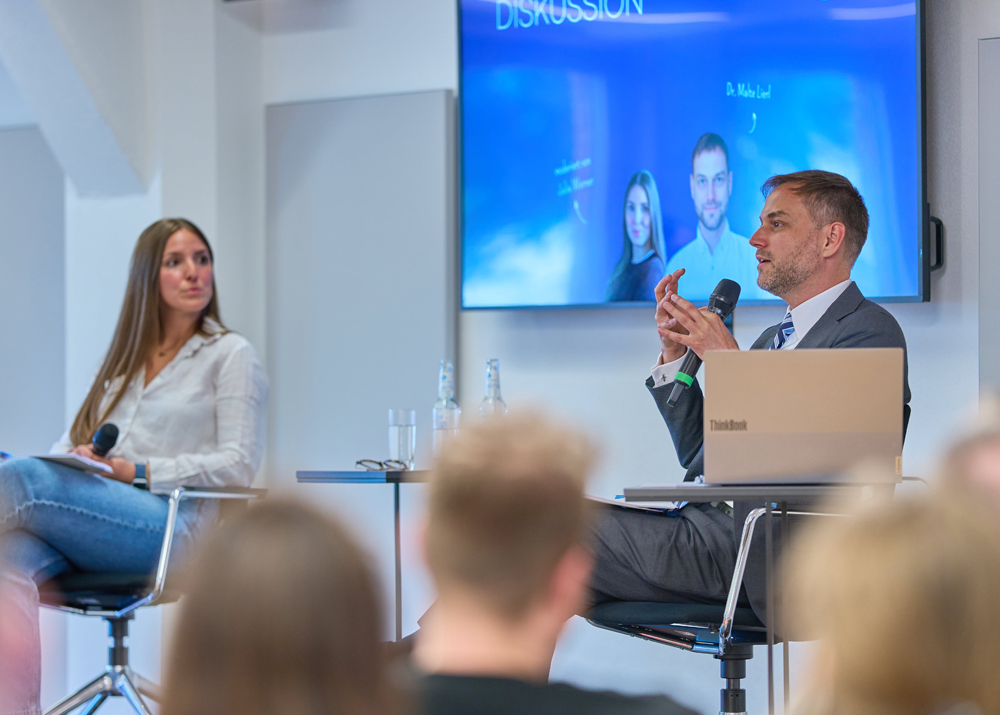
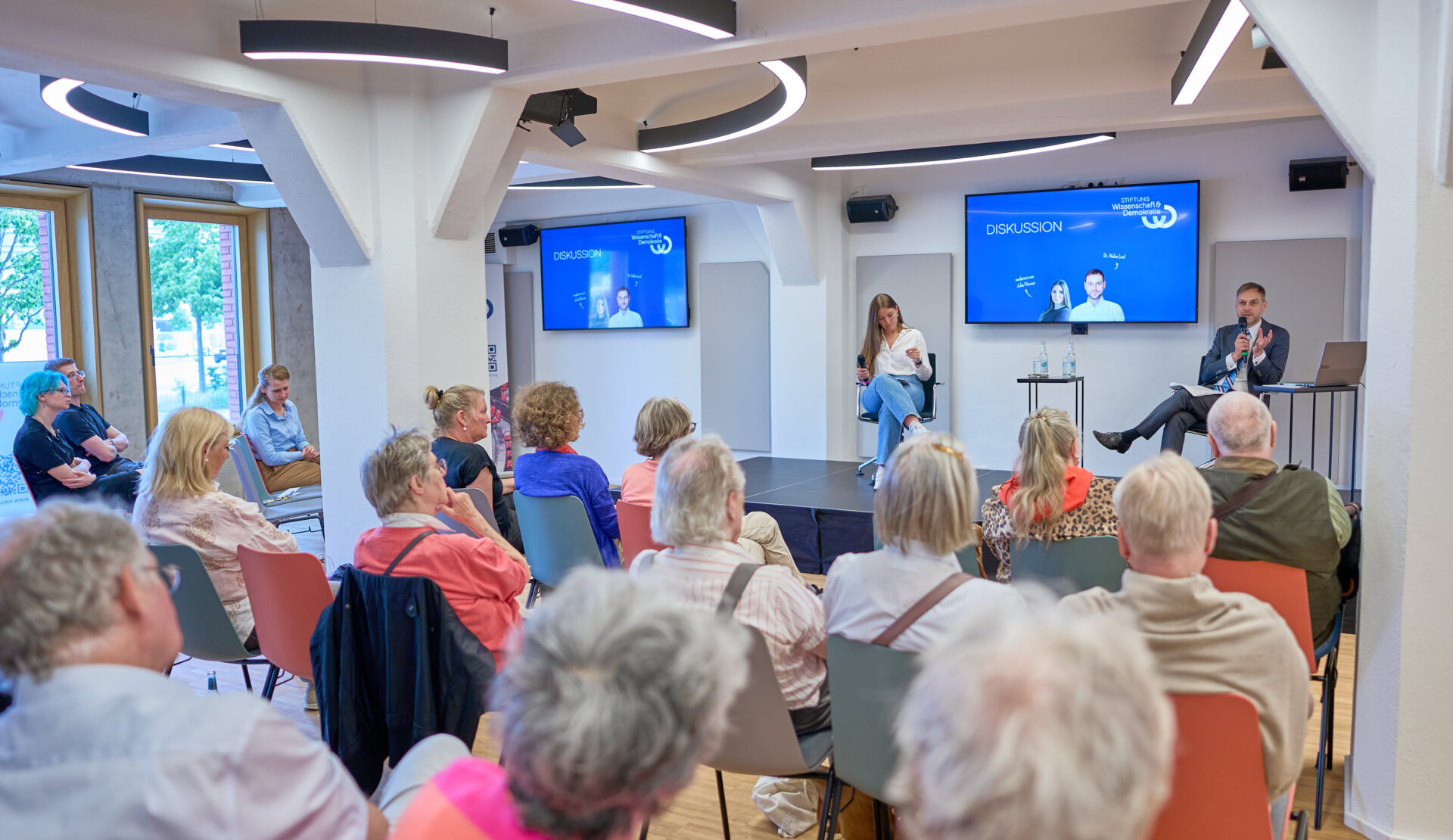
The event centred on a panel discussion that examined the topic of democracy export from three perspectives: benefits, effectiveness and ethics. The discussion focused on the expectations that states have when promoting democratic structures abroad, the conditions under which democratisation processes can succeed, and the moral challenges associated with external influence. The discussion drew on both historical experiences and current developments, and explored the question of what role the promotion of democracy can still play in a world increasingly characterised by geopolitical tensions, or whether it simply needs to be rethought.
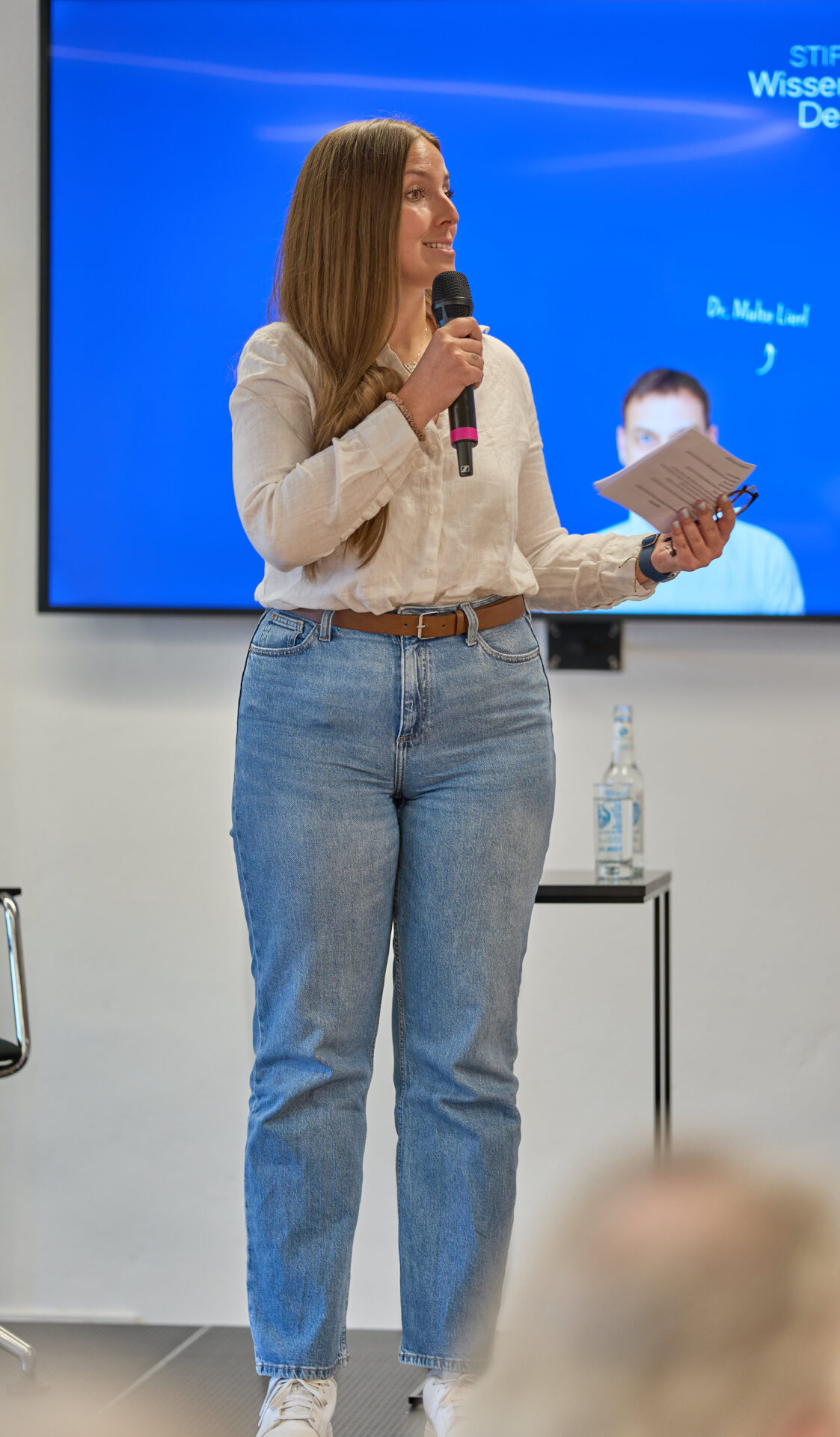
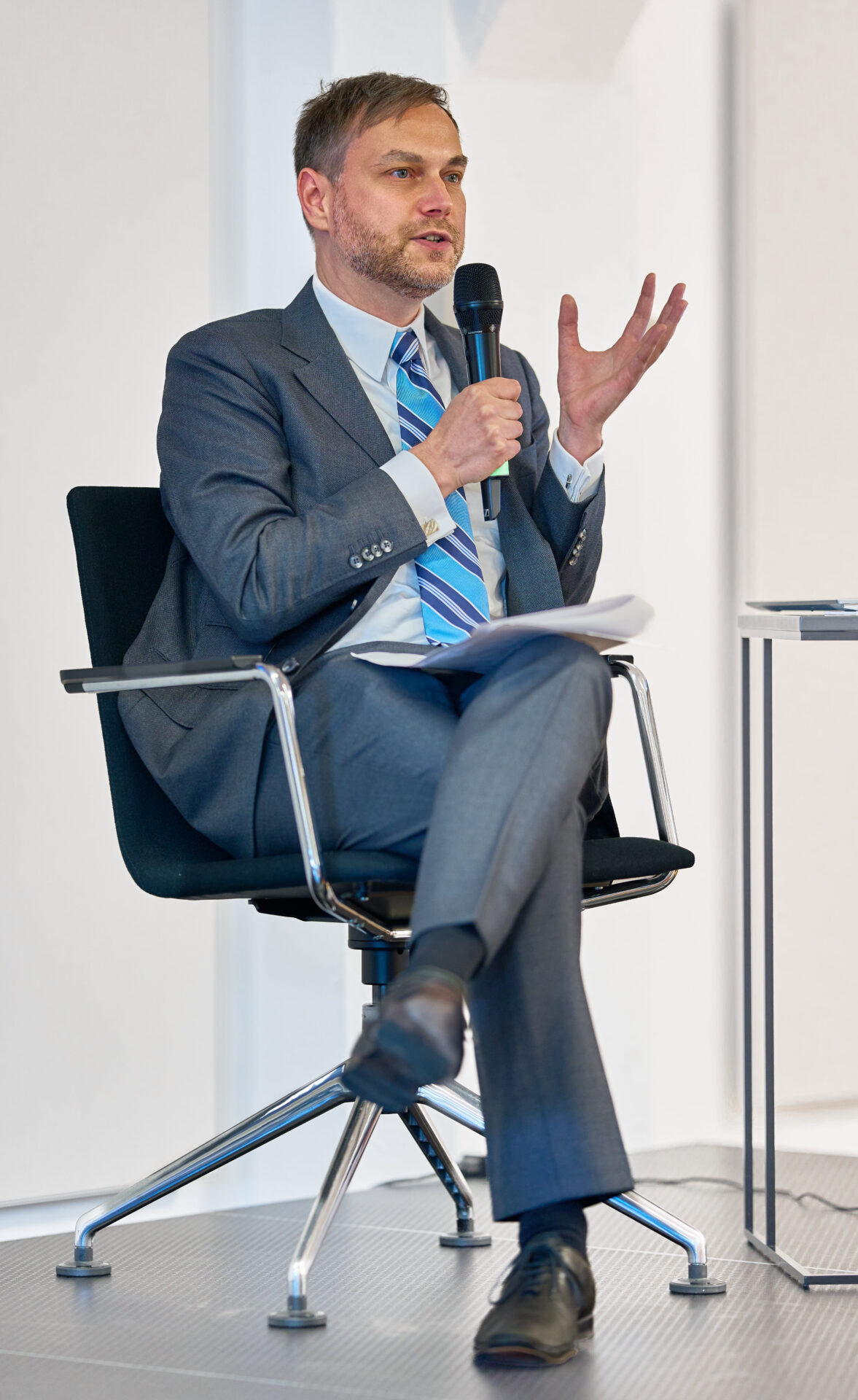
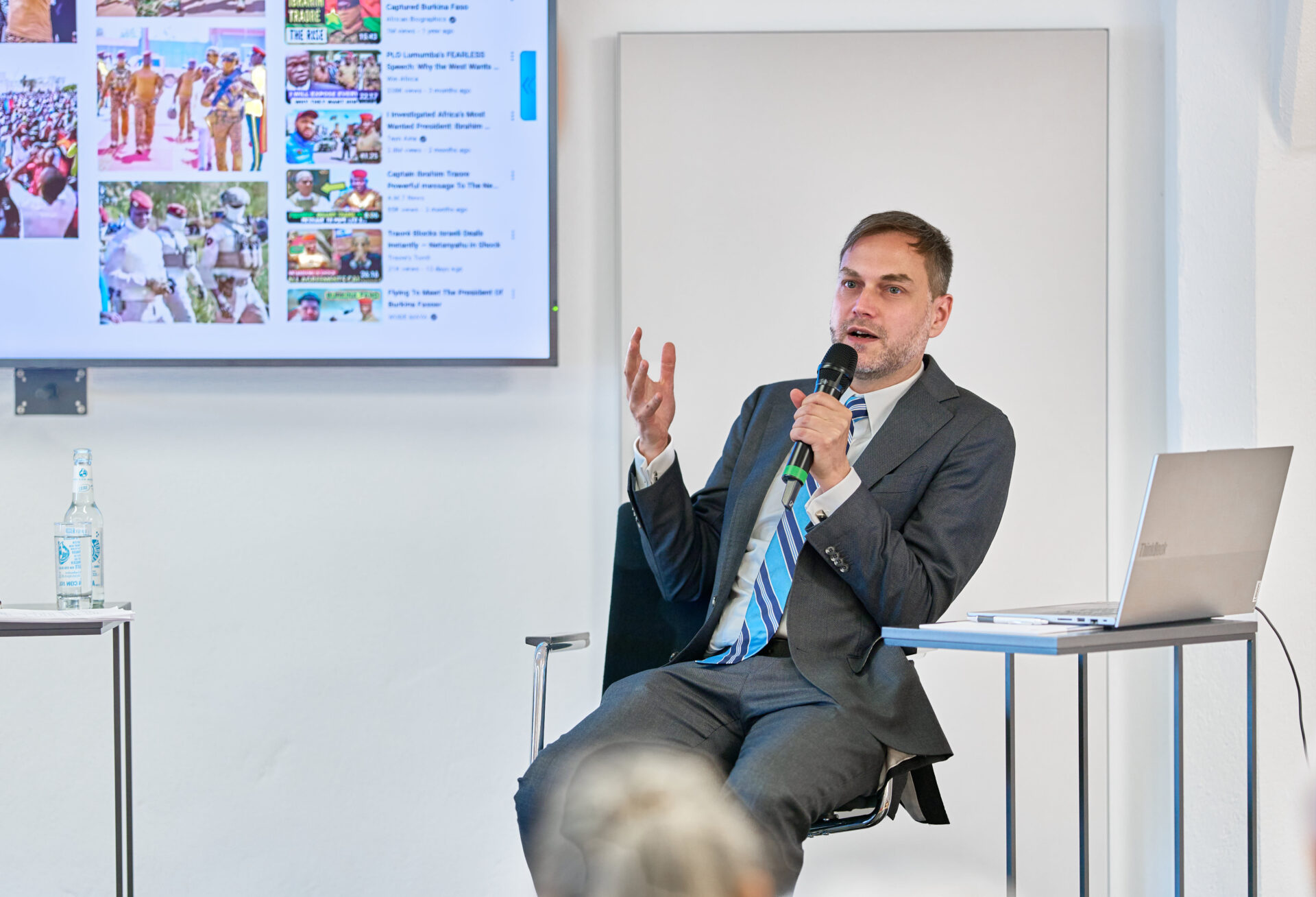
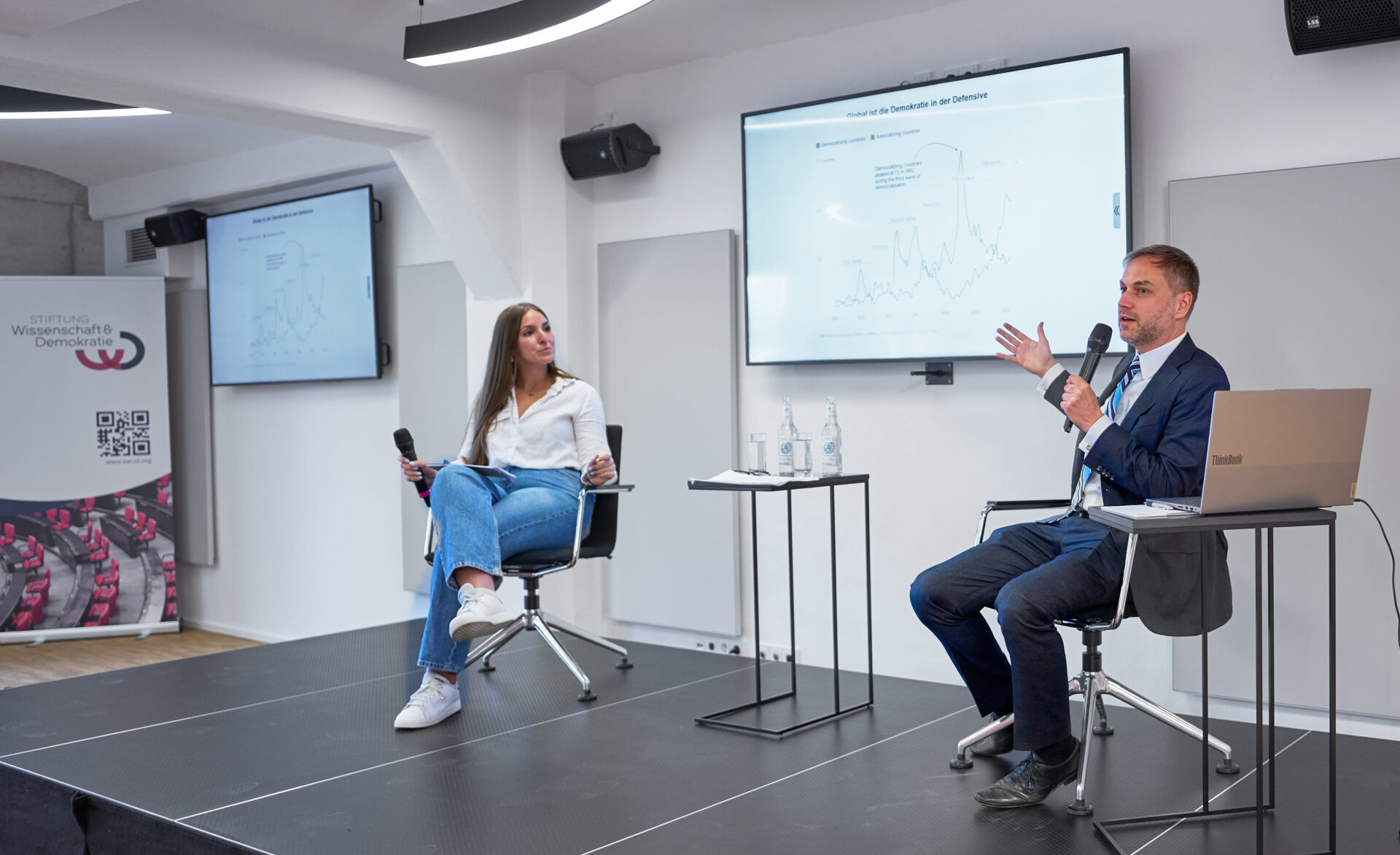
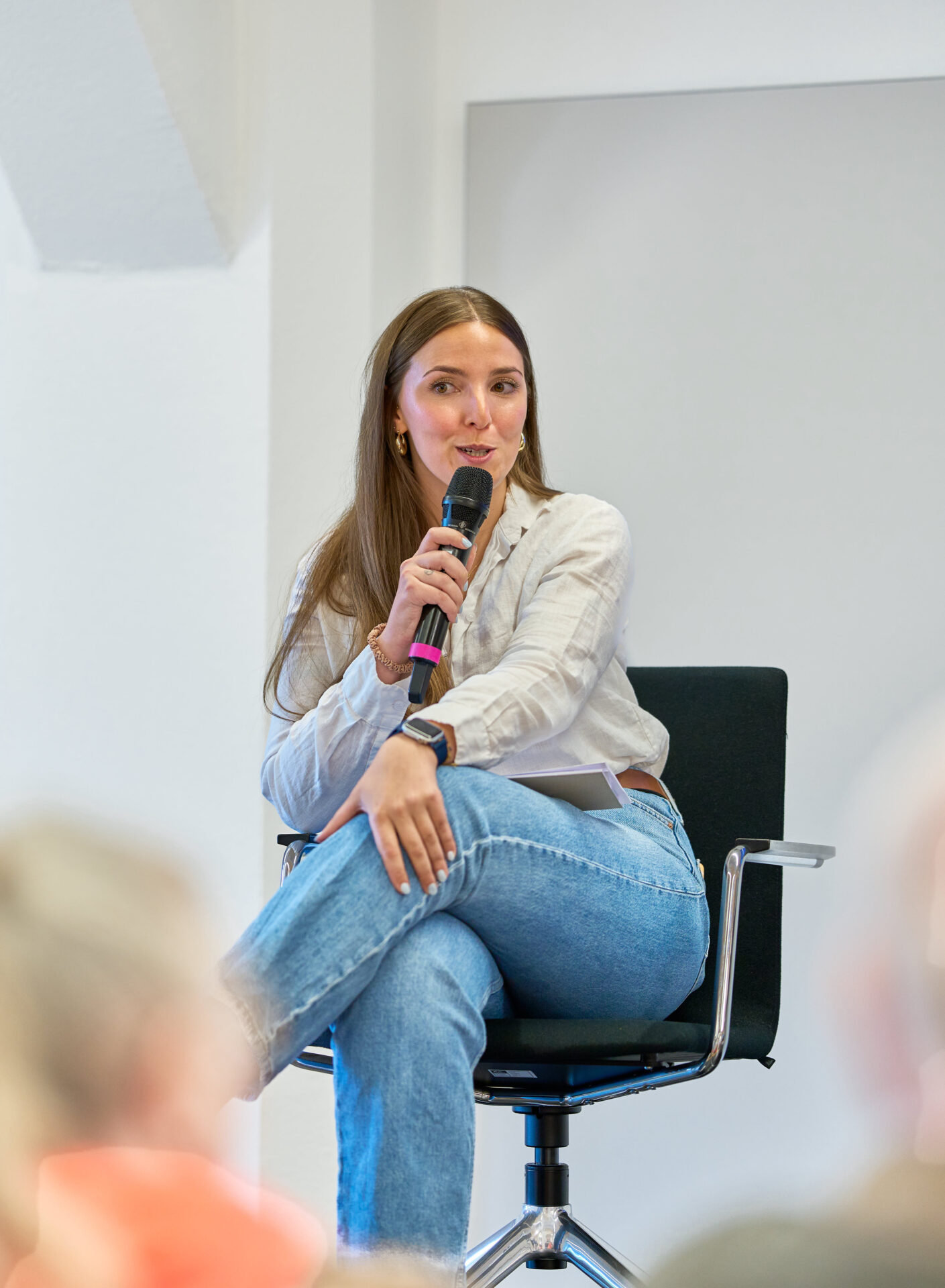
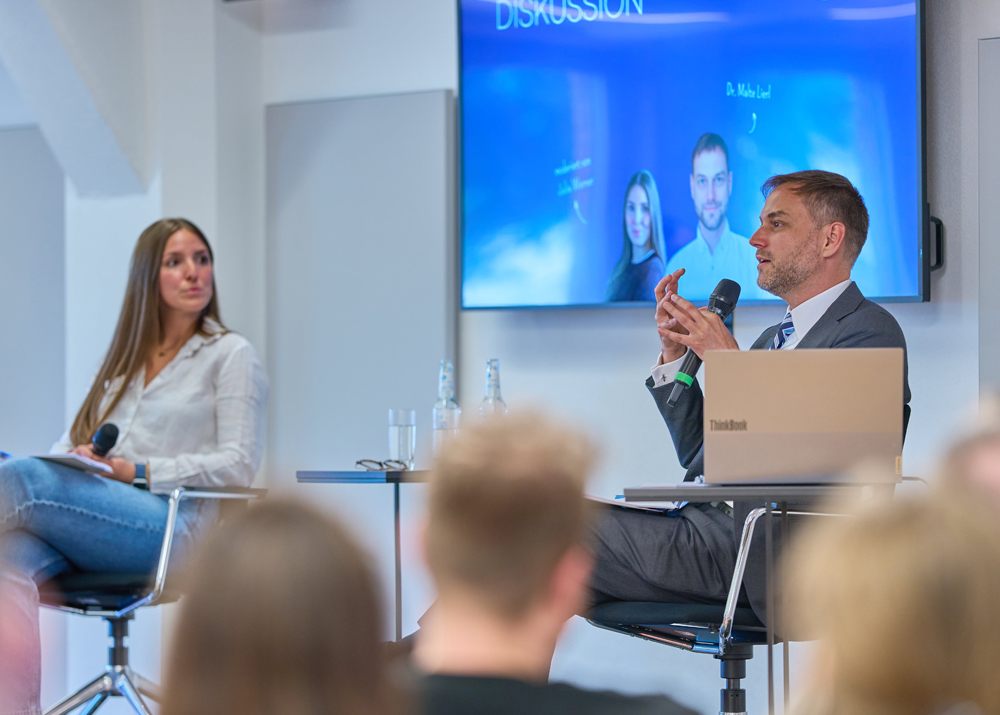
The speaker was Dr Malte Lierl, a political scientist. His research focuses on state-society relations, as well as conflicts and governance in Africa. Dr Lierl obtained his PhD in political science from Yale University and has worked as a researcher at institutions including the Clingendael Institute, the German Institute for Global and Area Studies (GIGA) and the World Bank. The event was moderated by Julia Werner (SW&D).
What does ‘exporting democracy’ mean?
First, the concept of ‘exporting democracy’ was examined in more detail. It became clear that this catchphrase encompasses a wide range of different instruments. These include, for example, supporting free elections, establishing institutions based on the rule of law, promoting civil society actors, and linking development aid to political reforms. International organisations and regional bodies such as the Economic Community of West African States (ECOWAS) also play an important role in this context.
Furthermore, it became clear that the promotion of democracy is not necessarily synonymous with military intervention. Nevertheless, experiences in Afghanistan, Iraq and Mali continue to shape a significant part of the public perception of the export of democracy and security, and raise questions about its prospects of success.
Why democracies promote democracy
Democratic states invest considerable political and financial resources in promoting democratic structures abroad. This is based on the assumption that democracies are more reliable partners in international politics and that, in the long term, they contribute to greater stability and security. At the same time, democratic forms of government are often associated with respect for human rights, political participation and peaceful conflict resolution. The promotion of democracy thus pursues both normative objectives and those relating to security and foreign policy.
However, the discussion made it clear that, in practice, these motives cannot always be clearly distinguished from one another. The promotion of democracy often operates in the tension between value-driven action and strategic interests – a circumstance that also shapes how it is perceived in the recipient countries.
Between success stories and failed interventions
Can the export of democracy actually work? To answer this question, the initial premise was that democracy is a „Western“ form of government and therefore cannot be readily transferred to other cultural contexts. From a political science perspective, however, this explanation falls short. Democratic participation and the pursuit of political co-determination are by no means limited to specific regions of the world.
What is far more crucial, however, is the social, economic and institutional context in which democratisation processes take place. Democratic systems cannot simply be created or imposed from outside. Rather, they are the result of long-term developments that must be driven by actors within society itself. External support can accompany and promote such processes, but their chances of success remain dependent on local conditions.
Using various examples, the possibilities and limitations of international democracy-building were discussed. Particular attention was paid to the experiences in Afghanistan, Iraq and Mali, which are often cited as evidence of the failure of democracy export. However, the discussion made it clear that these cases point less to a fundamental failure of democratic ideas than to the challenges posed by fragile statehood, persistent security problems and a lack of social buy-in for political reforms.
Particular attention was paid to the Sahel region. Political instability, terrorism, economic crises and repeated military coups have significantly hampered, or even undermined, the democratisation efforts of recent years in that region. These developments illustrate just how fragile democratic progress can be and how quickly authoritarian actors gain influence in times of social uncertainty, filling the gaps left behind by pro-democracy actors when they withdraw.
Finally, the discussion turned to the future of democracy-building in a world where authoritarian states are acting with increasing self-assurance, or even aggression, and democratic systems are coming under pressure. Despite these challenges, one of the key conclusions of the evening was that democracy as a political model has by no means lost its appeal. Rather, the question is how the promotion of democracy can be made more effective and realistic in the face of changing global conditions.
The ethical dimension of exporting democracy
Alongside questions regarding the benefits and effectiveness of democracy export, the discussion also centred on its normative assessment. In principle, the promotion of political participation, the rule of law and human rights was regarded as a legitimate and desirable goal. At the same time, the question arose as to how easily good intentions can lead to undesirable or even harmful consequences.
In particular, the discussion centred on the tension between the aim of promoting democratic values and the right of societies to shape their own political development. External support can strengthen democratic actors, but at the same time carries the risk of being perceived as patronising or meddlesome. Experience over recent decades has shown that even well-intentioned measures can have unintended consequences and that political developments can only be influenced from the outside to a limited extent.
This raised the question of whether the difficulties and failures of past democratisation efforts fundamentally call into question the very idea of promoting democracy. The discussion reached a nuanced conclusion: it is not the goal of promoting democracy that must be abandoned, but rather the notion that democracy can be imposed from outside or even forced upon a society. Successful democracy-building requires a (very) long-term perspective, a focus on local needs, and a realistic understanding of one’s own scope for influence.
The event made it clear that the export of democracy and security cannot, as such, be assessed in general terms as either a success or a failure – even if, with regard to specific missions such as those in Afghanistan, Iraq and Mali, one can certainly speak of a failure. The discussion on the benefits, effectiveness and legitimacy of democracy-building thus gave rise to the question of how such approaches should be shaped in future. The realisation that local political, social and institutional conditions not only influence the success of democracy-building but also significantly determine its possibilities and limitations shows that the debate should focus less on the „whether“ and more on the „how“ of democracy-building.
Impressions from the lecture

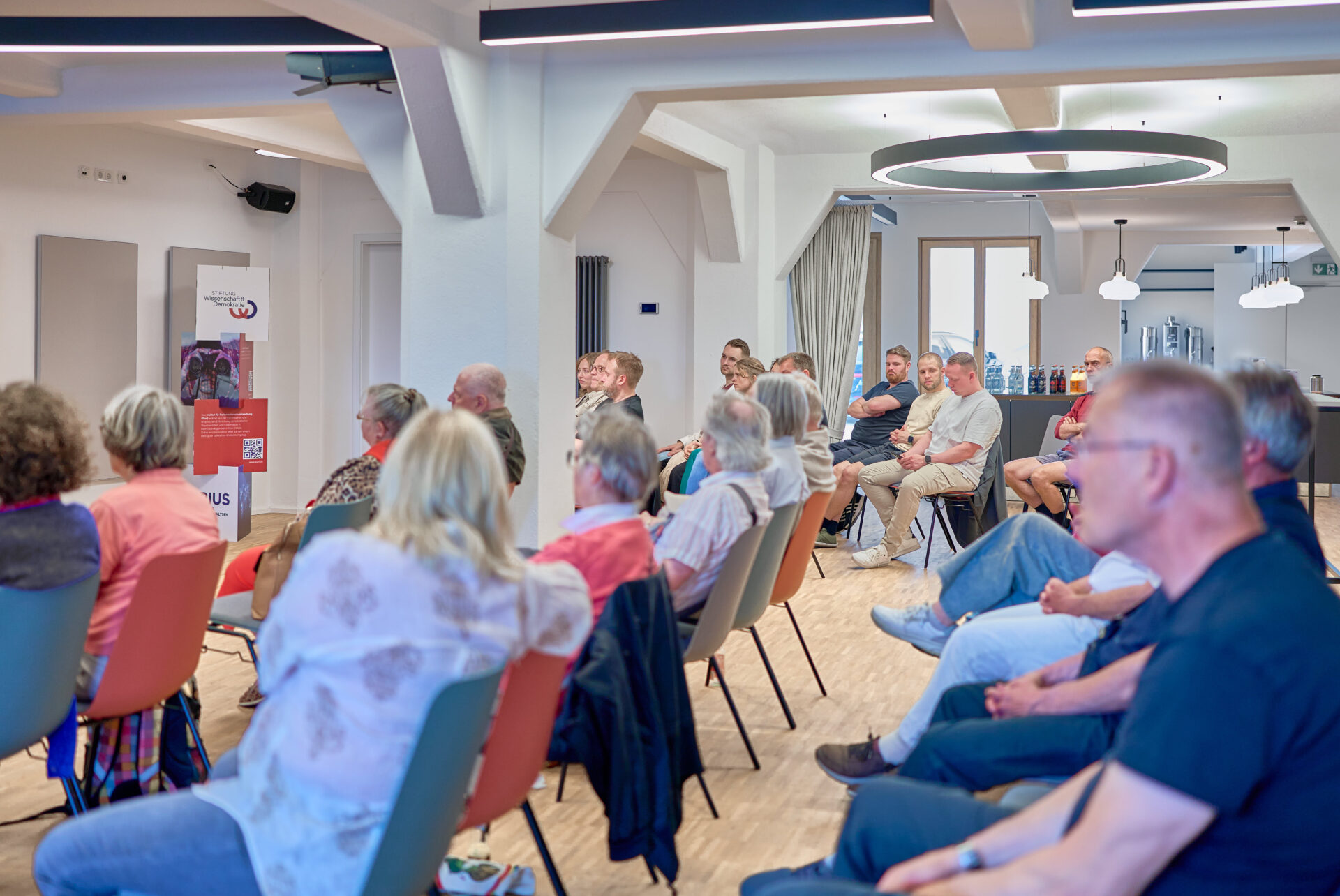
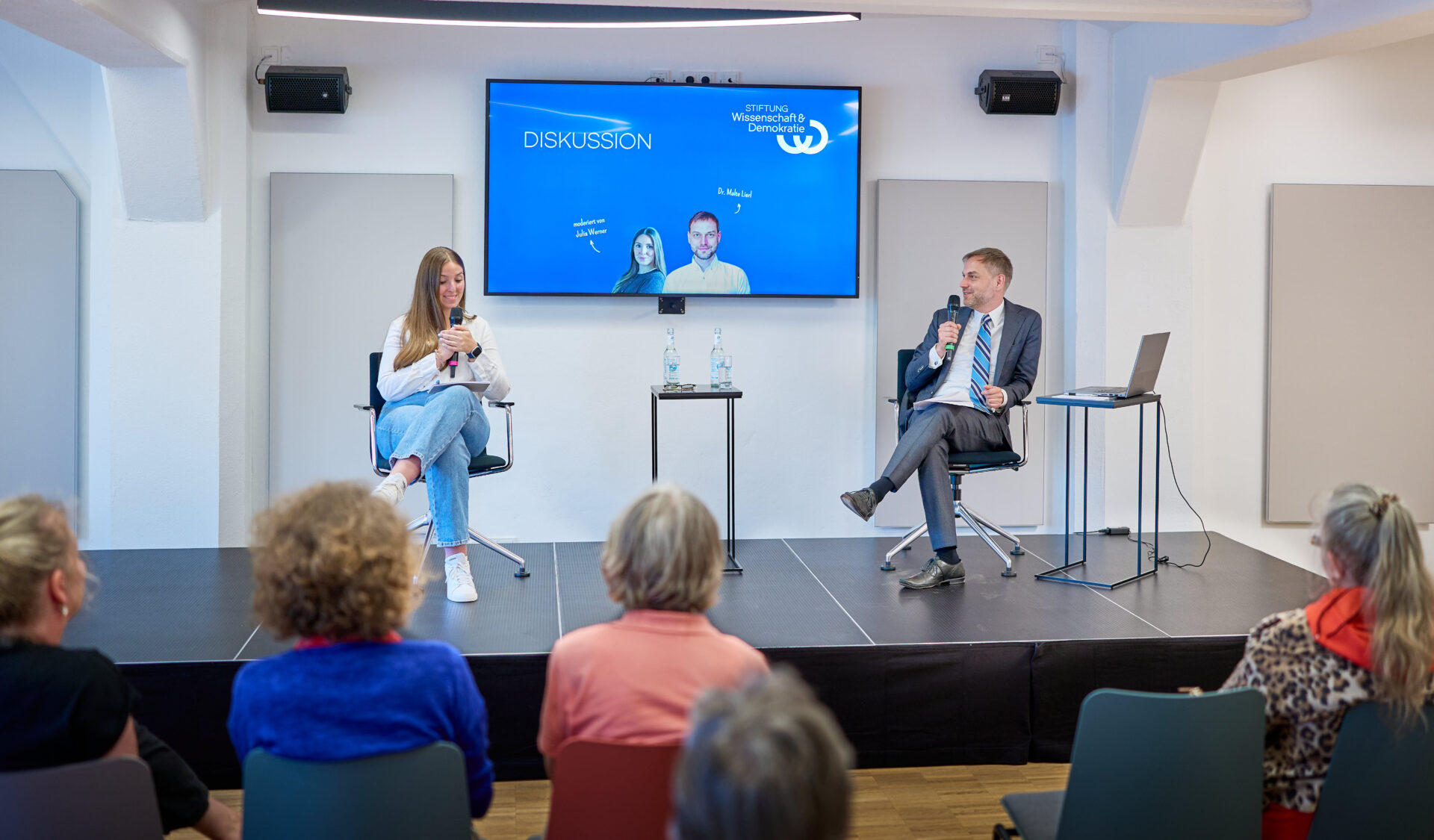
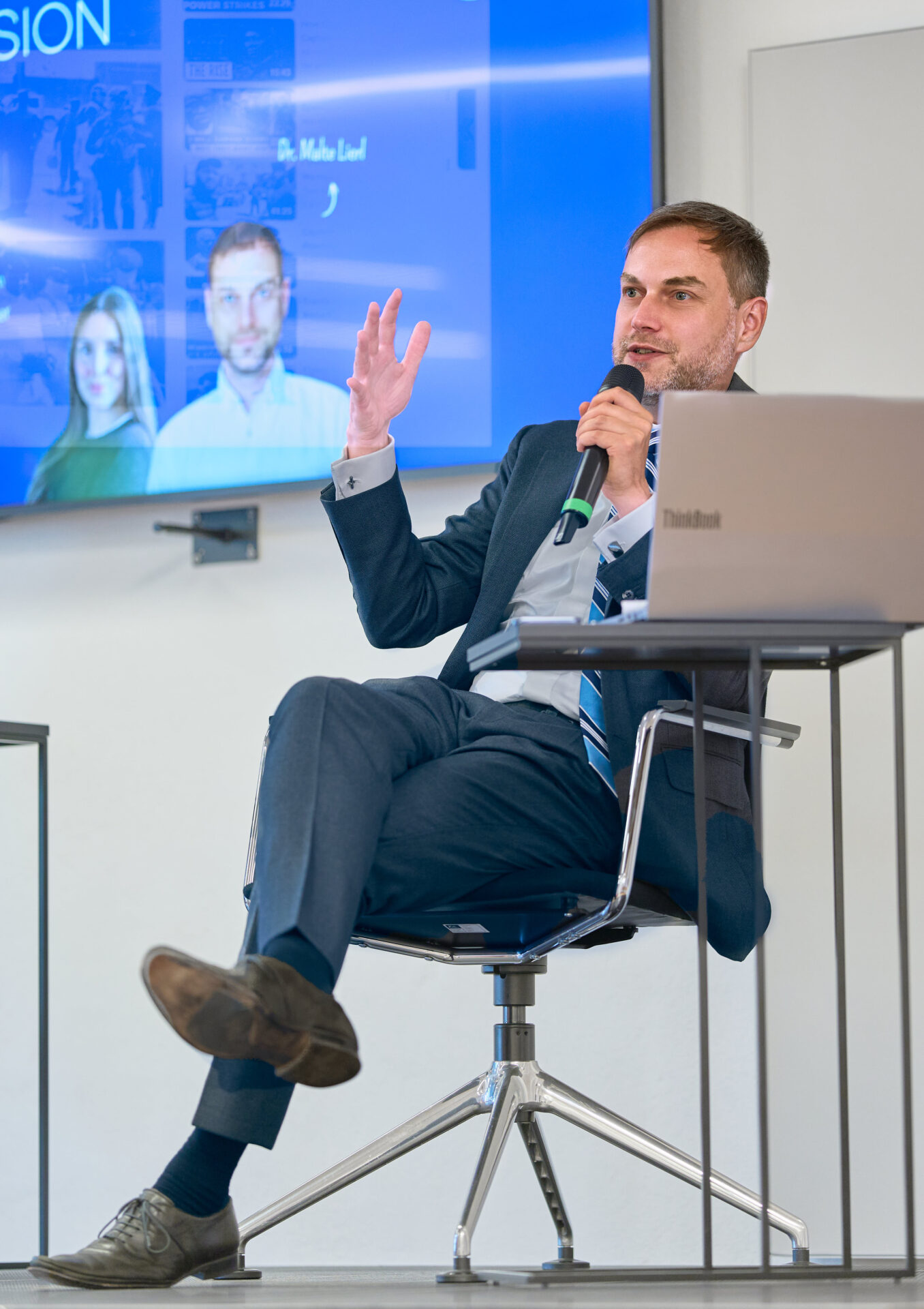
Photos: Eckhard Schmelter / SW&D