Report on Dr Albert Denk’s reading as part of the Long Night of Democracy
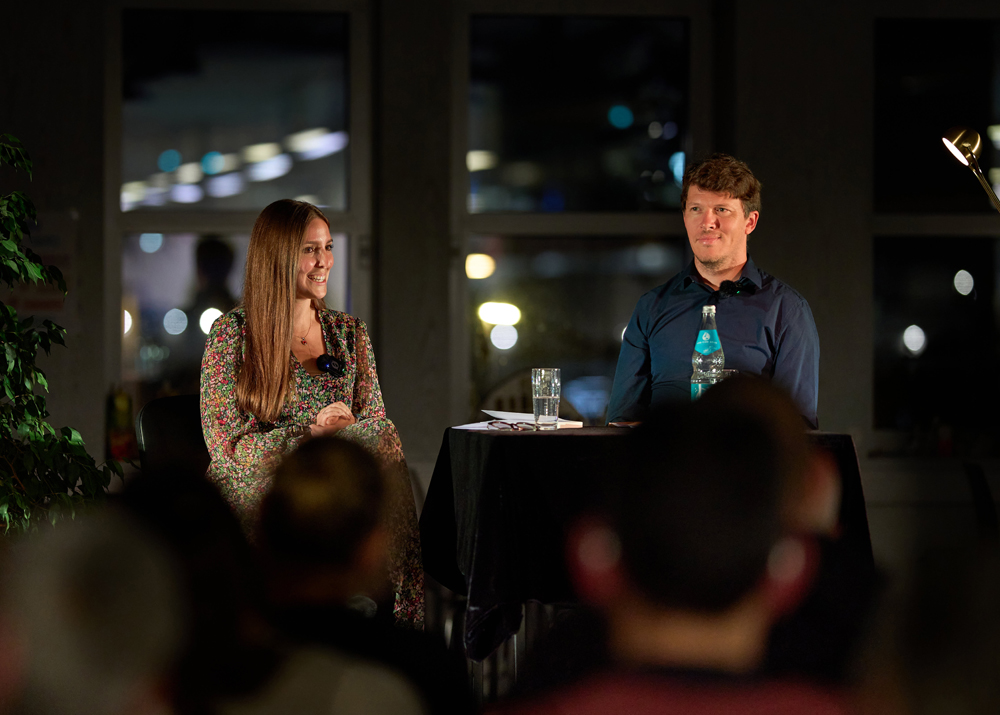
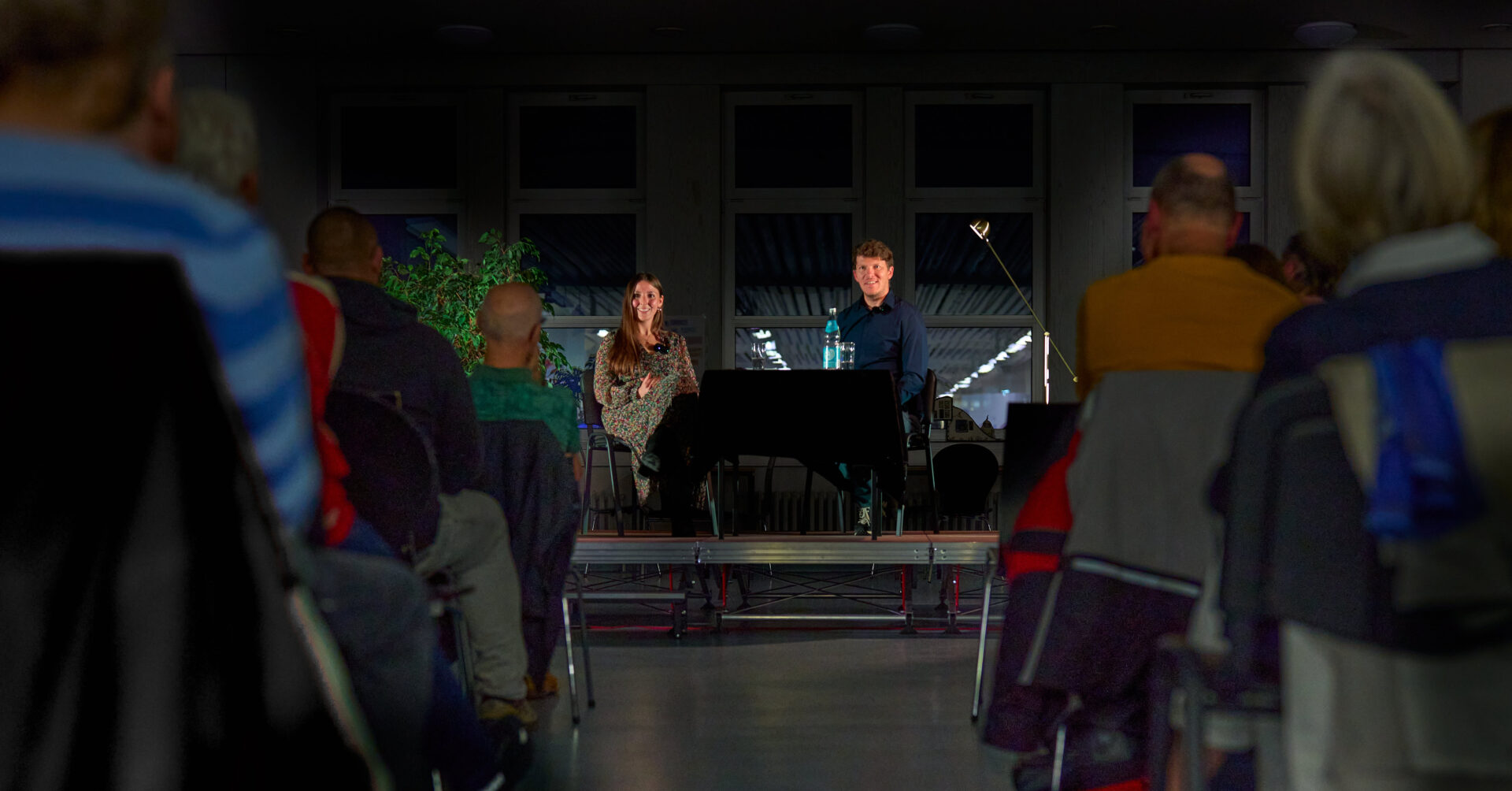
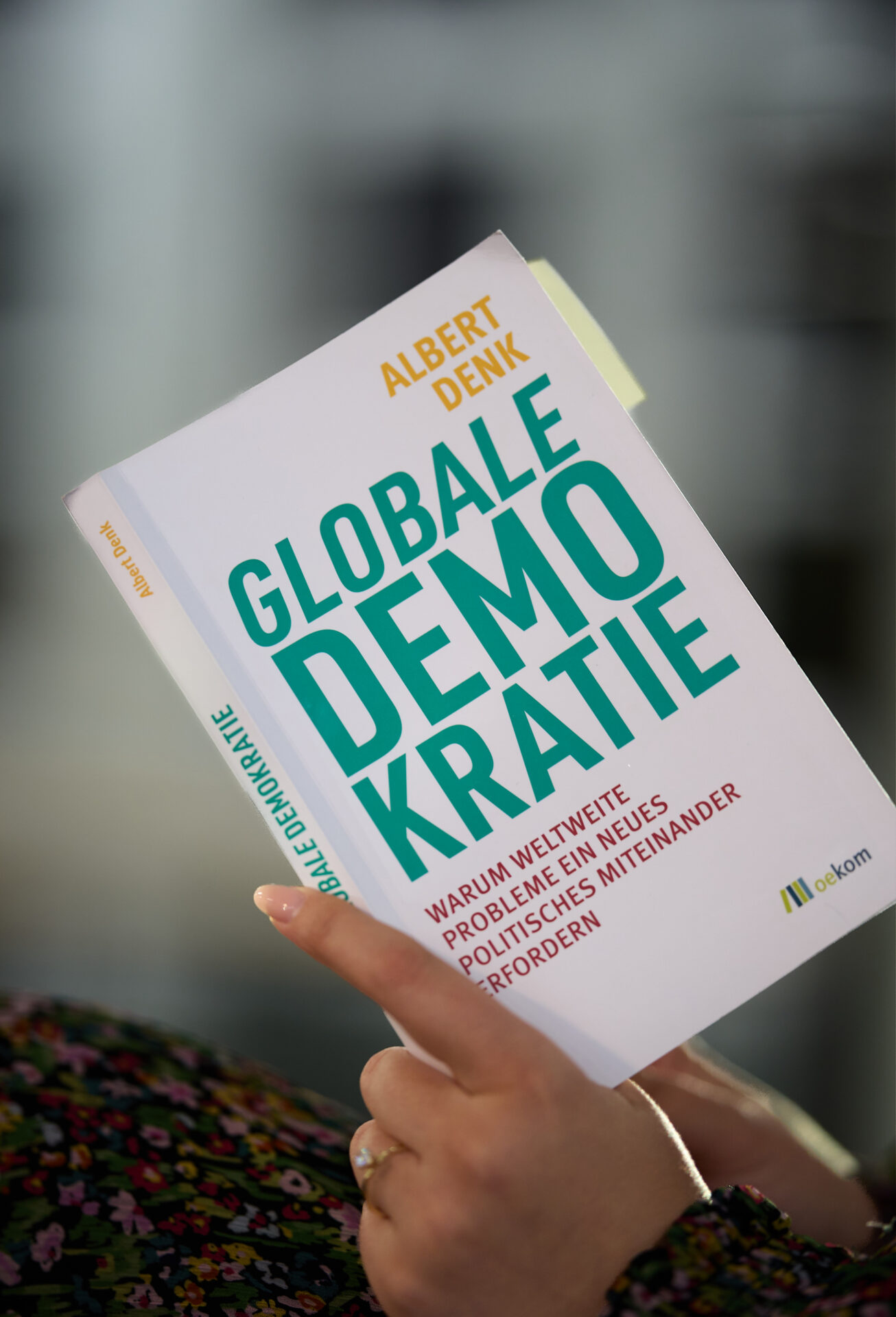
How does democracy work when the political issues that need to be decided upon do not stop at national borders? This question was the focus of the reading from Dr Albert Denks Book „Global democracy: Why global problems call for a new form of political cooperation“, which will take place on 2 October 2026 as part of the The Long Night of Democracy in cooperation with the Kiel City Library took place. The reading was hosted by Julia Werner (SW&D).
The focus was on analysing current democratic shortcomings and the question of how a democracy could be conceived and organised in practice beyond the nation state. For Denk, democracy does not simply appear as a successful political model that functions within individual states and must be defended against external threats. On the premise that democracy is the best of all forms of government, he examines the conditions under which today’s democracies operate. His starting point is a tension: political challenges are global, yet democratic decision-making structures are predominantly organised at national level. It is precisely this contradiction that Denk describes as a „structural flaw“ in the system of intergovernmental relations.
Democracy – historically, always a question of belonging
A look back at history shows that democracy was by no means intended for everyone from the outset. The classic example of Athens illustrates that, whilst the Greek polis is often regarded as the birthplace of democracy, political participation was restricted to a relatively small group of male citizens. Women and enslaved people were excluded. Later milestones in the history of democracy – from the Magna Carta of 1215 through the Bill of Rights of 1689 to the political upheavals of the 18th century – gradually expanded rights, but these were initially tied to specific social and political affiliations.
In Denks’ argument, democracy thus becomes a historical process of expanding the circle of those who can have a say in political decisions. At the same time, he questions the link between democracy and the nation state, which today seems so self-evident. Since the emergence of the modern system of states, democracy has been conceived almost exclusively as democracy within a state. The fact that this link is a historical construct and by no means a given leads Denk to ask: if democratic participation has already been extended several times beyond previous boundaries of belonging – why should it now largely end at national borders?
Participants in the Long Night of Democracy are contributing to this shift in perspective by reframing the question from „How do we protect our democracy?“ to „Whose democracy are we actually talking about?“.
When national decisions have global consequences
This question leads to the central criticism in Albert Denk’s book: national democracies can guarantee political rights to their citizens whilst at the same time shifting social and environmental costs onto people beyond their borders. Climate change, migration and global inequality highlight just how closely living conditions are interlinked worldwide. Nevertheless, those affected by political decisions do not automatically have the opportunity to influence them.
As mentioned at the outset, Denk sees this as a problem inherent in the existing system of states. Governments are primarily accountable to their own populations, whilst the interests of other societies are often disregarded. Democracy can thus facilitate participation internally whilst perpetuating inequalities externally. This raises the question of whose interests democracies take into account and where their responsibility ends.
A different kind of democracy is possible
Dr Albert Denk turned his attention to the political opportunities arising from this critique. He argues that we should not simply accept existing systems as the only option. Using the emergence of Attac as an example, he sought to illustrate how a political idea can give rise to social engagement and a movement. Change, he argued, therefore also begins with developing new ideas and translating them into public action.
A global democracy, it would seem, is not a ready-made alternative to the existing system, but rather a perspective that opens up scope for political action. It is crucial to critically question the supposed limits of what is feasible and to put alternative forms of democratic organisation up for discussion.
Global elections as a democratic approach
Towards the end of the book and the reading, Denk fleshed out this perspective in more detail. He proposes extending elections to the level of global society and, in principle, enabling all adults to have a say in political decision-making. If global challenges affect people worldwide, then the democratic decision-making process should also extend beyond national borders.
Denk used the example of India to illustrate that large-scale elections are organisationally feasible. In the Indian election, just under 645 million of the approximately 970 million eligible voters cast their ballots – spread over seven rounds of voting within a period of almost 90 days. This example illustrates that even under difficult conditions, it is possible to organise the participation of a very large number of people. For Denk, global elections would be more than just a technical or organisational innovation. They could create a common basis for political decision-making and strengthen global society as a democratic framework. At the same time, he distinguishes this approach from populism: whilst populist politics often claims to speak on behalf of a supposedly homogeneous people, global democracy is based on the inclusion of all people. The focus is not on singling out a particular group, but on equal participation.
Thinking about democracy beyond borders
The reading made it clear that, for Denk, democracy is not a static state, but a political system whose scope and prerequisites must be continually re-examined. His reflections link the historical expansion of democratic participation with the question of how global inequalities can be addressed politically.
As part of the Long Night of Democracy 2026 The event provided an opportunity to reflect on democracy, its strengths and its weaknesses. Who has a say in decision-making? How can political responsibility be organised in situations where decisions have global consequences? And how can democratic equality be achieved beyond national borders?
Albert Denk’s book offered a perspective on this that goes beyond a critique of the status quo: if political challenges are global, we must also consider what global political cooperation might look like. Whether it is understood as a utopian idea, a pioneering ideal or a catalyst for examining the limits of democratic agency is left to the reader’s own judgement.
Impressions from the lecture

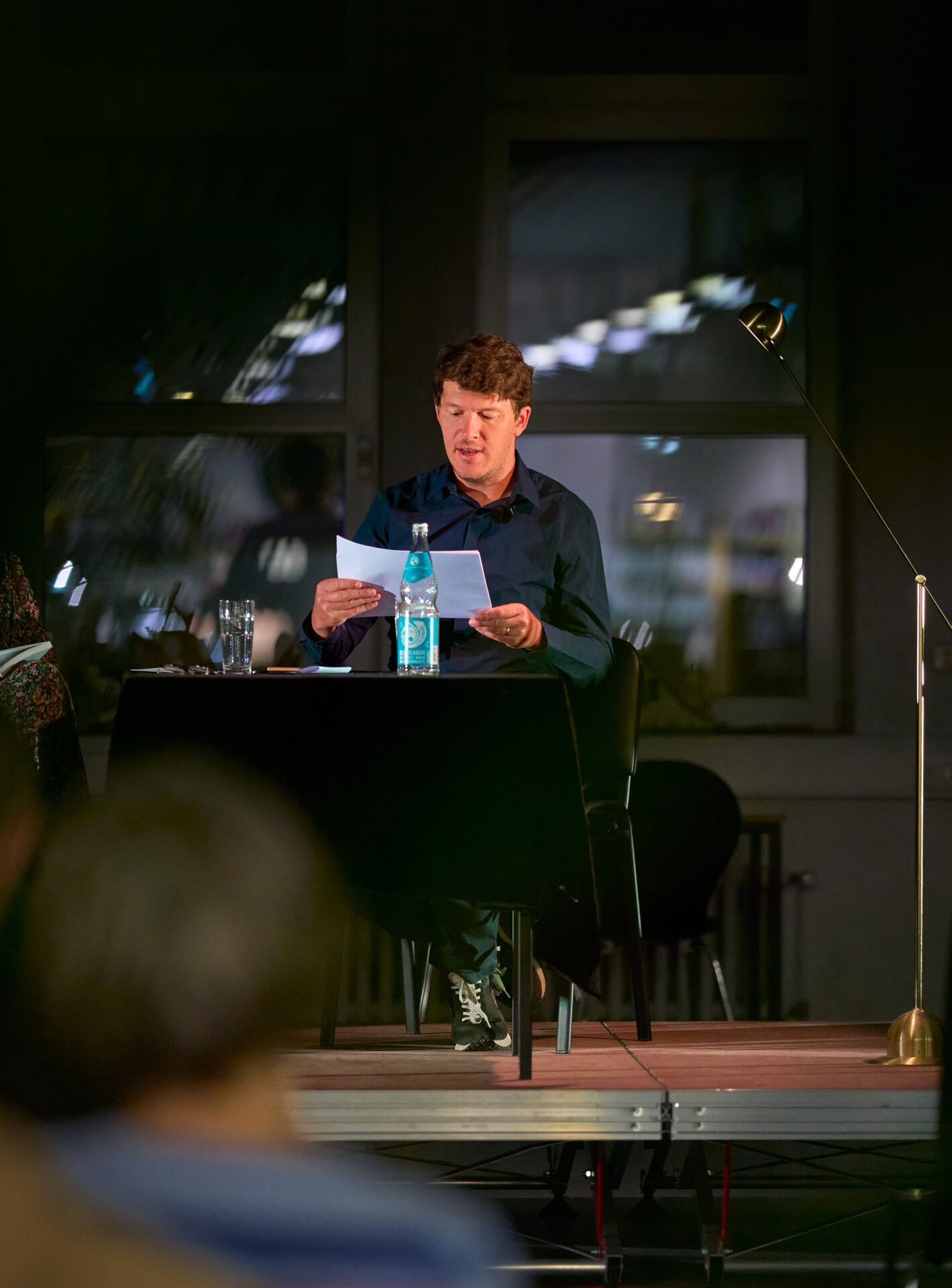
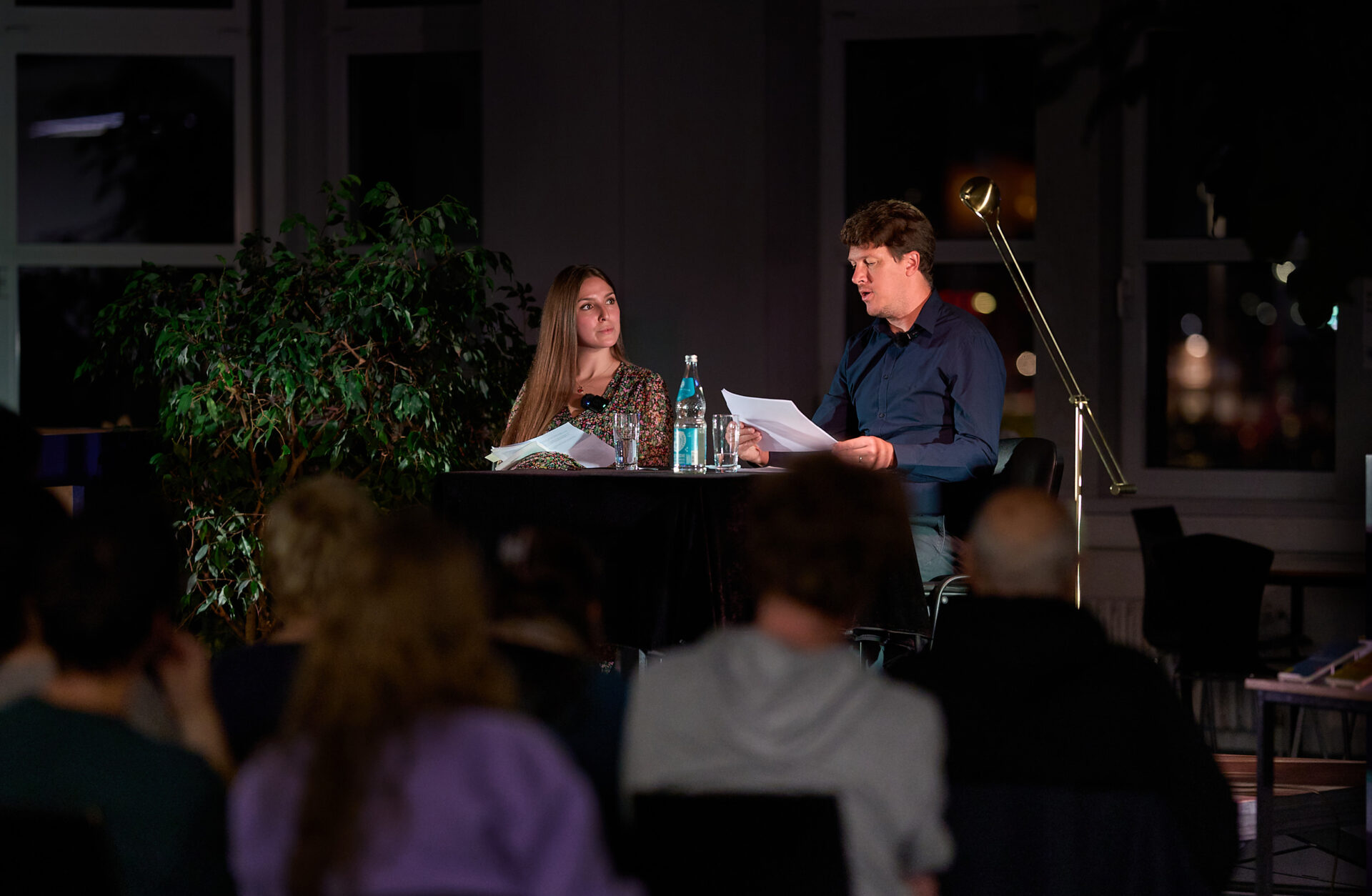

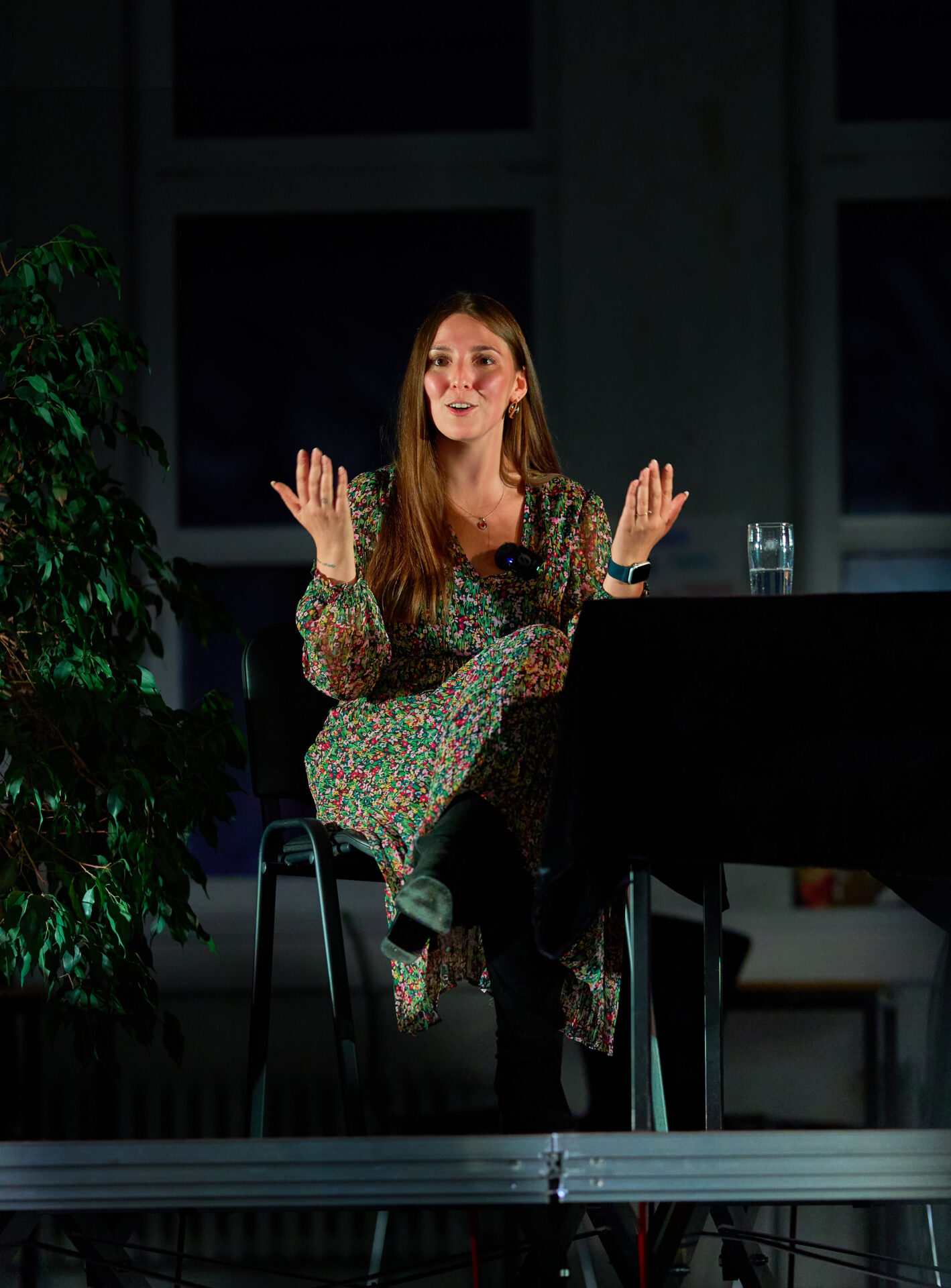
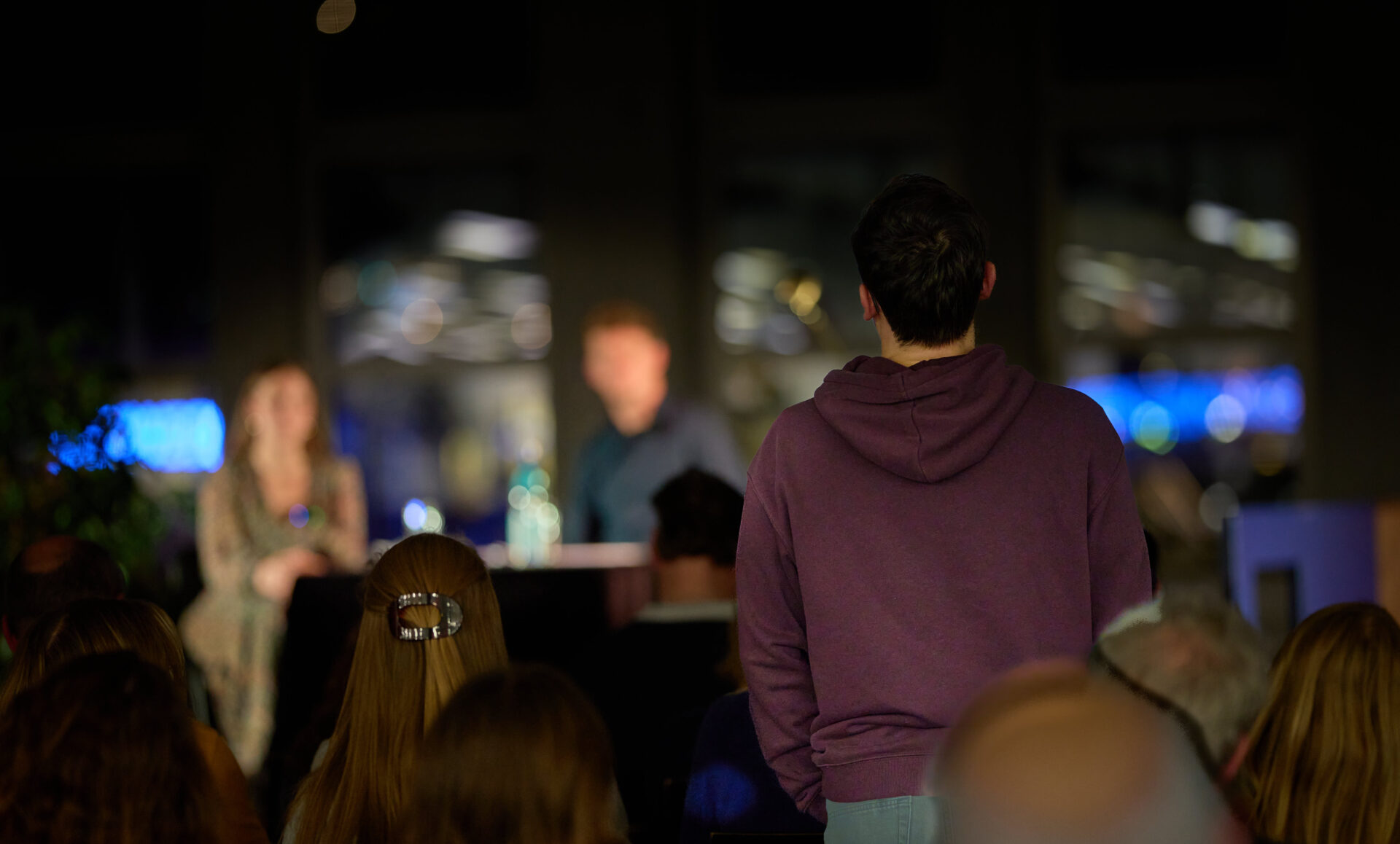
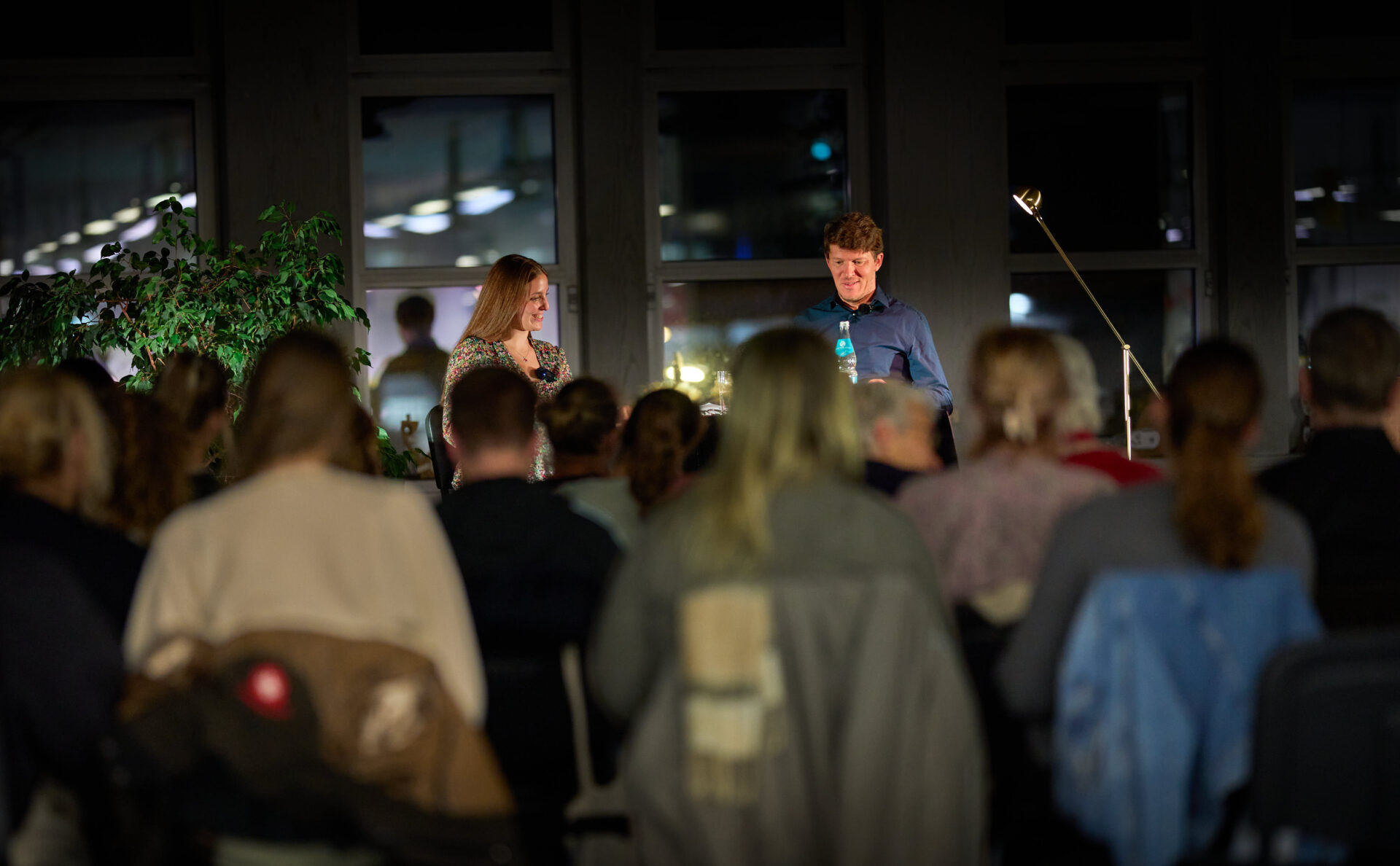

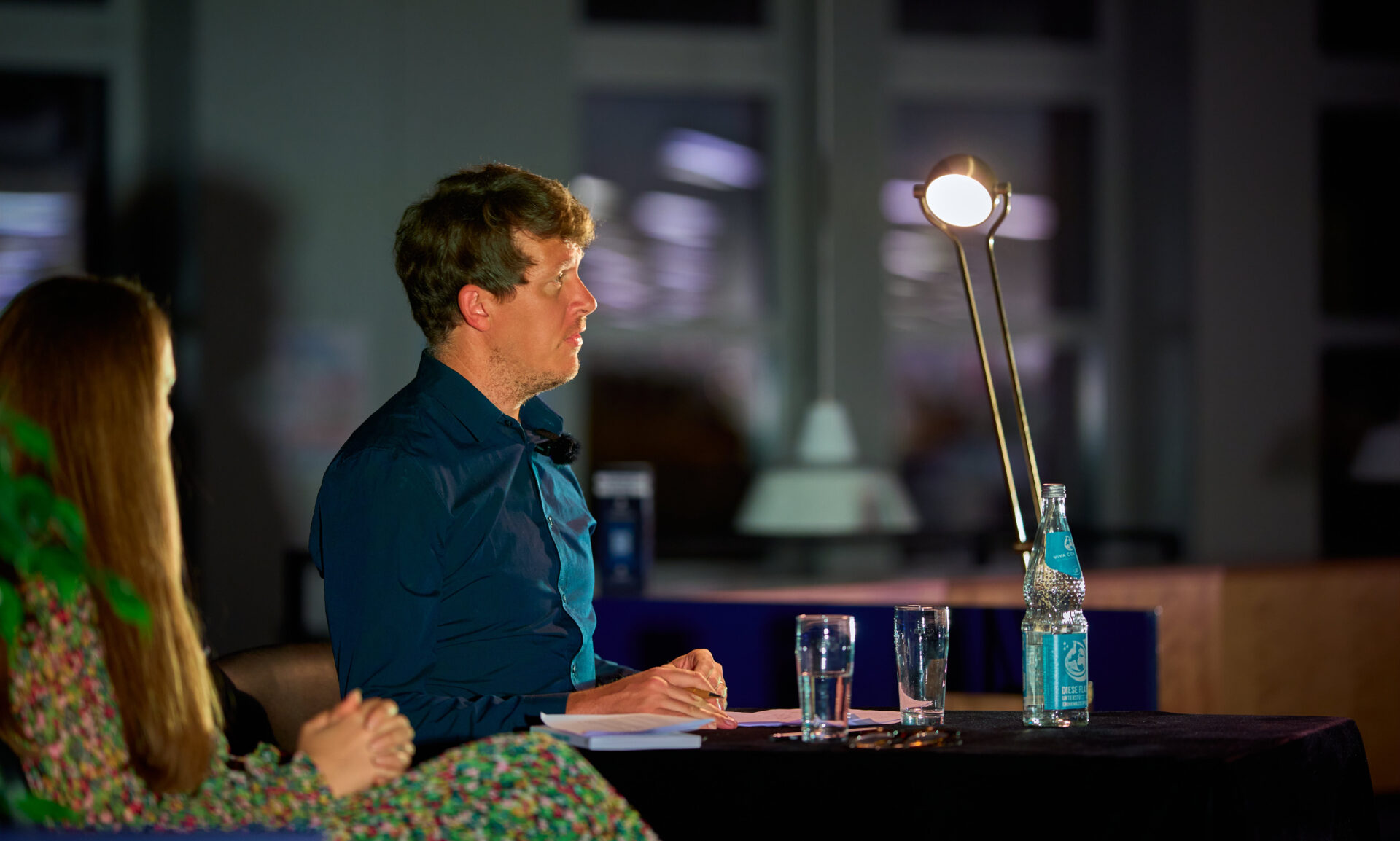

Photos: Eckhard Schmelter / SW&D