Report on Charlotte Freihse’s lecture
Whether in debates on immigration and refugees, Covid-19, the war in Ukraine, politics, elections or climate change – disinformation affects numerous socially controversial issues. Targeted disinformation can spread particularly in times of crisis and periods of great uncertainty. We ask how exactly disinformation works, what objectives are pursued through its dissemination, and what consequences it has for democracy.
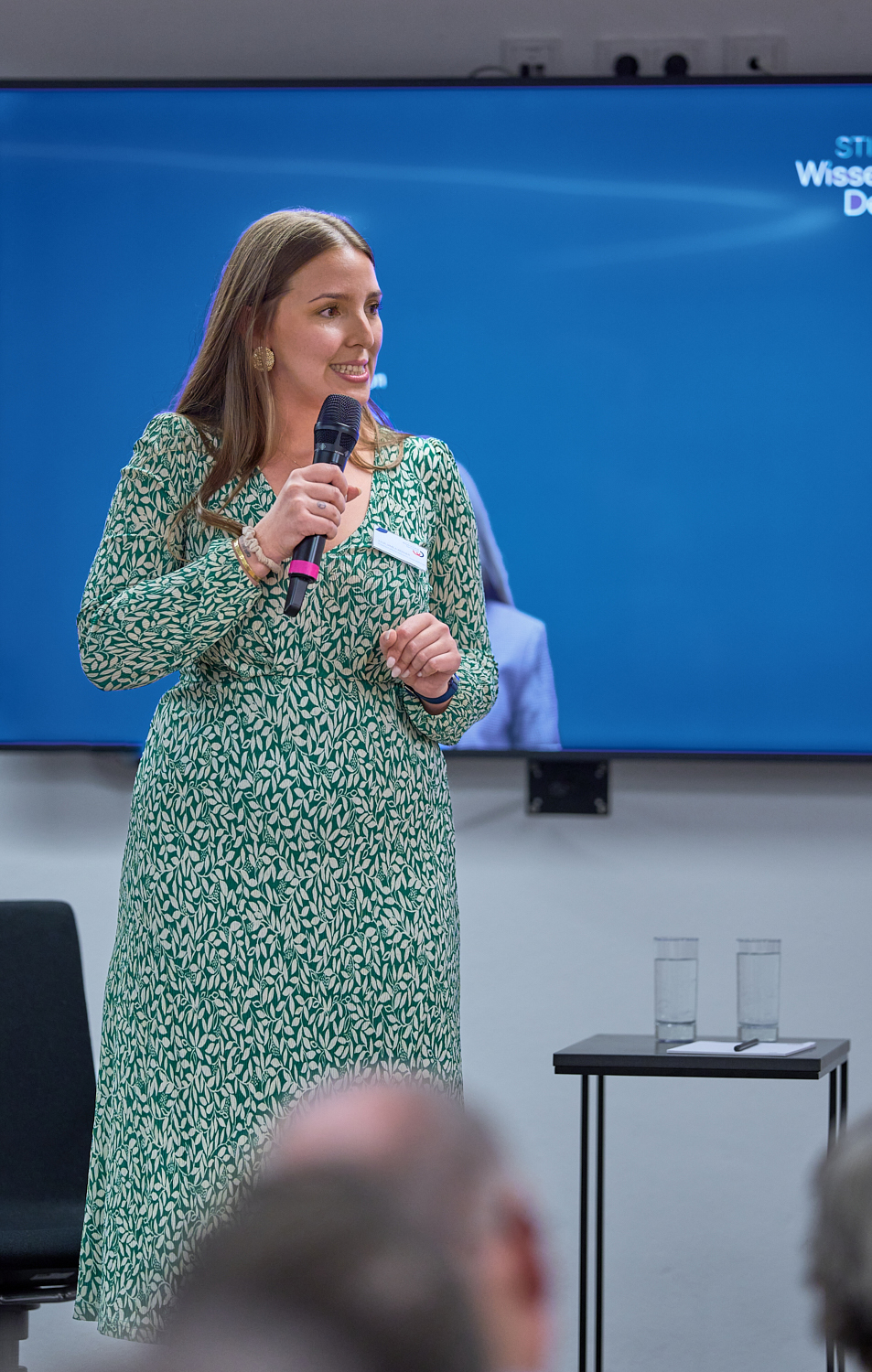
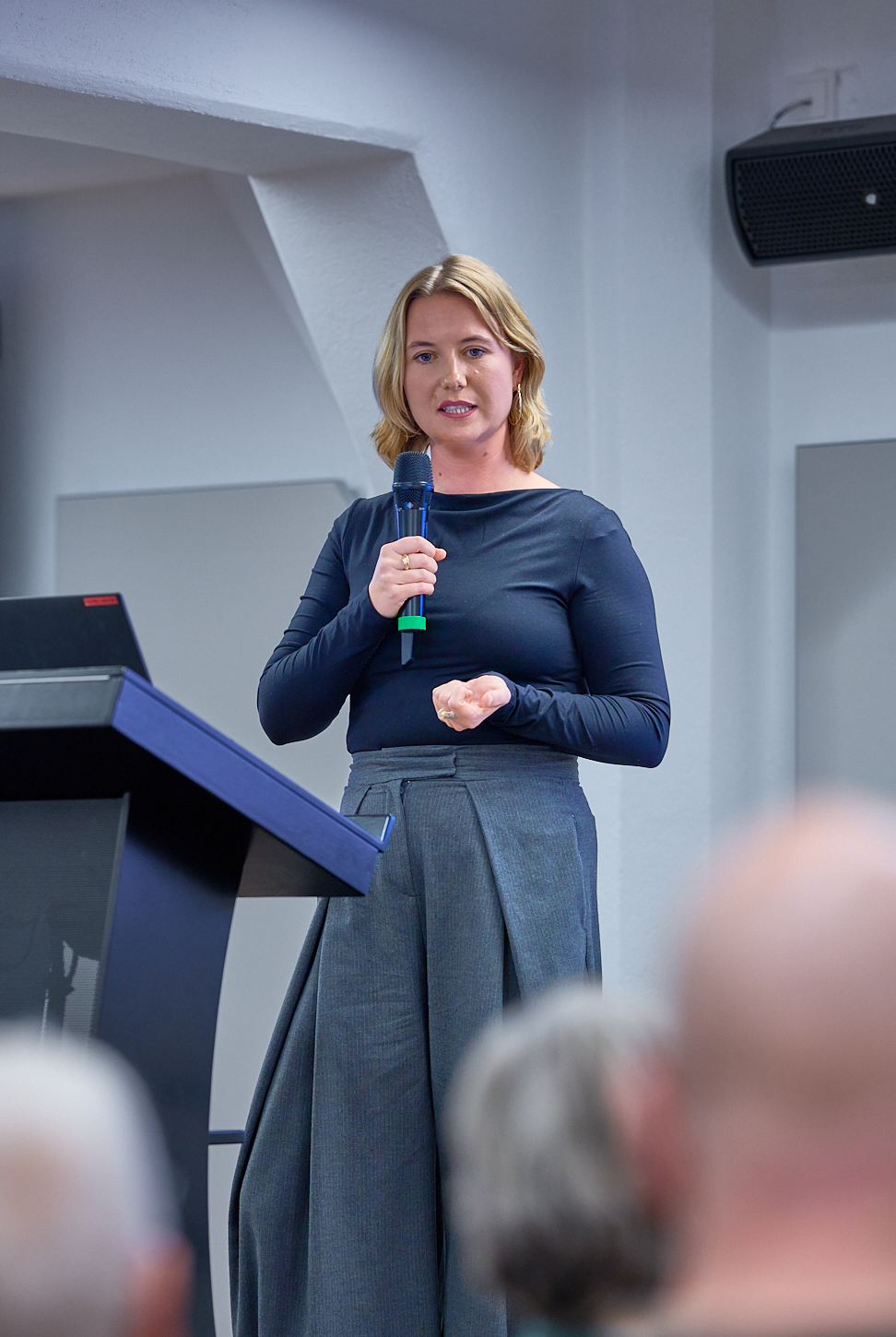
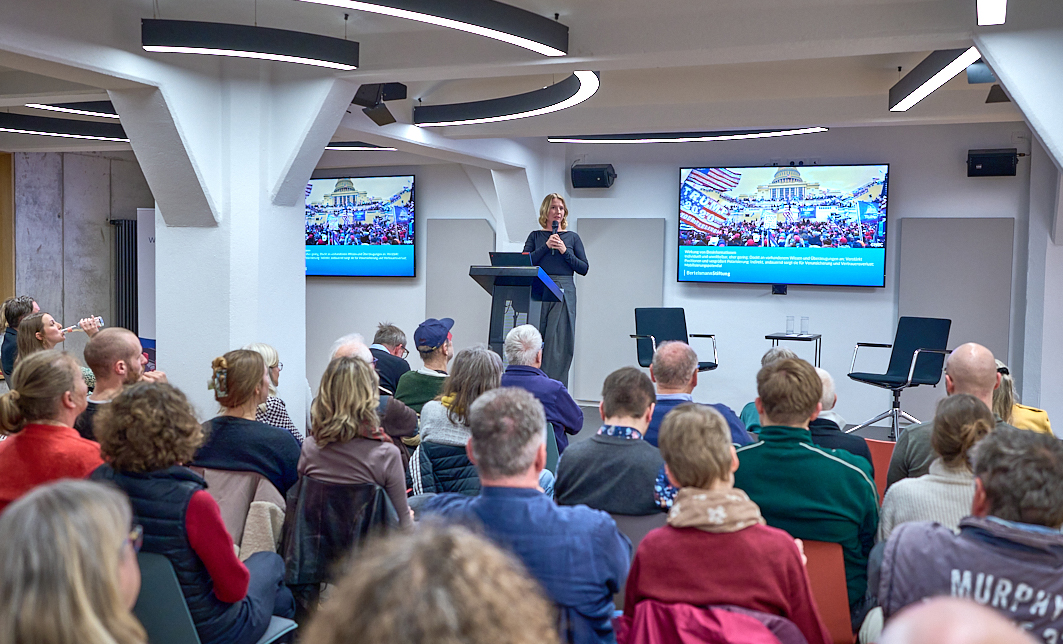
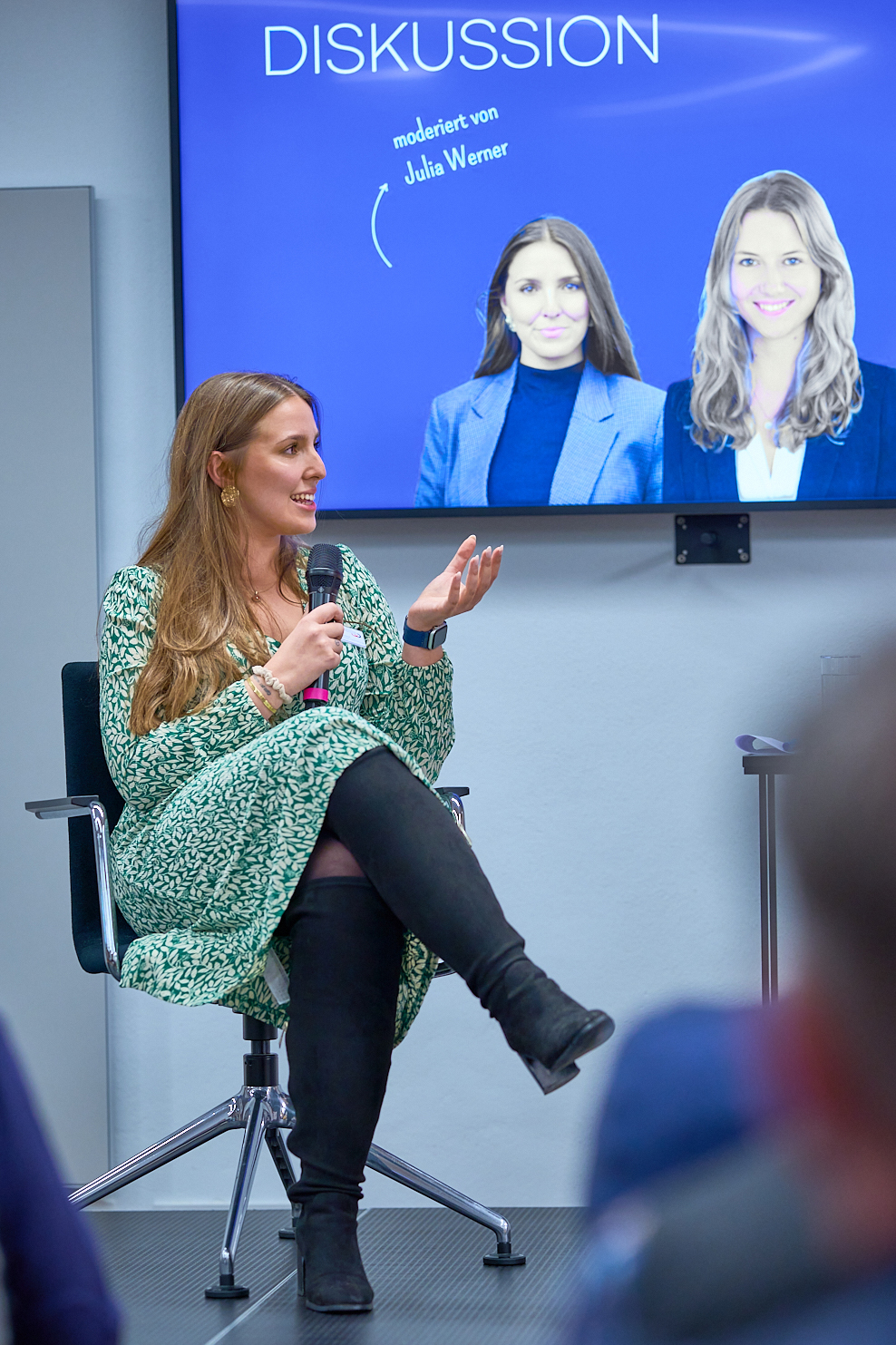
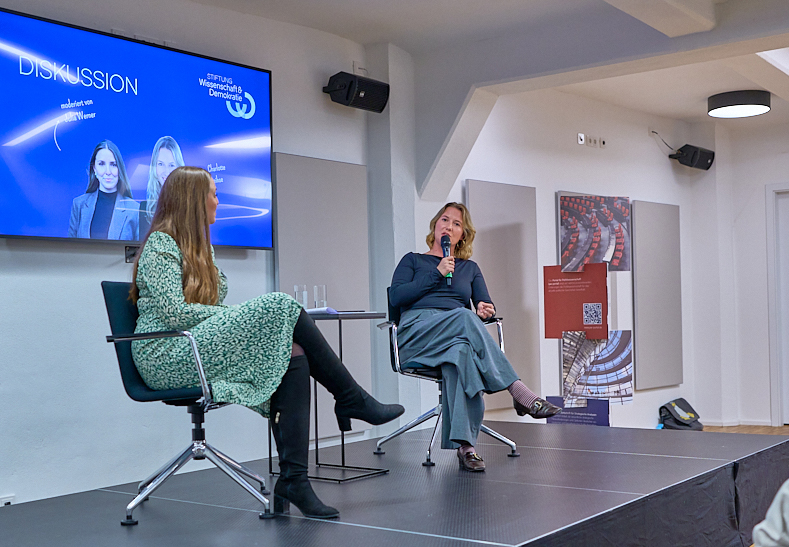
These questions were addressed by Charlotte Freihse, Co-Lead for Digitalisation & the Common Good at the Bertelsmann Foundation. Using practical examples, she explained the mechanisms and consequences of disinformation and highlighted ways in which it can be countered at both an individual and a societal level. The event was moderated by Julia Werner (SW&D).
How disinformation undermines trust and social cohesion
One of the key focuses of the talk was the social and political consequences of disinformation. Charlotte Freihse explained that disinformation can serve various purposes: it can stir up public sentiment, undermine trust in individuals and institutions, exacerbate conflicts and heighten uncertainty. Influencing elections and the deliberate pursuit of attention and profit can also play a role.
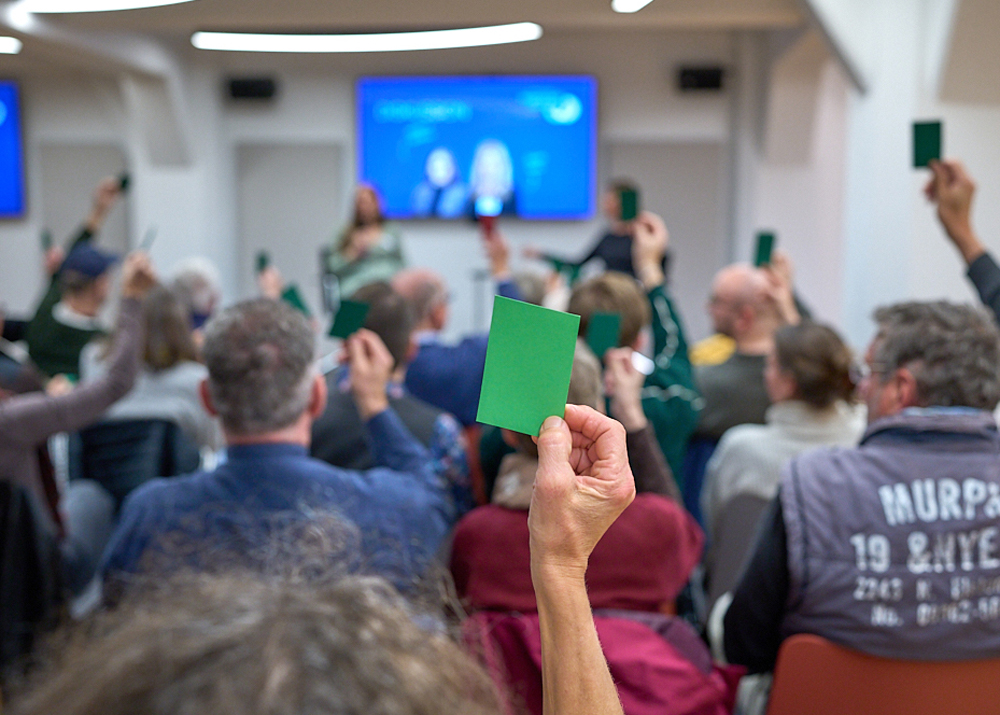
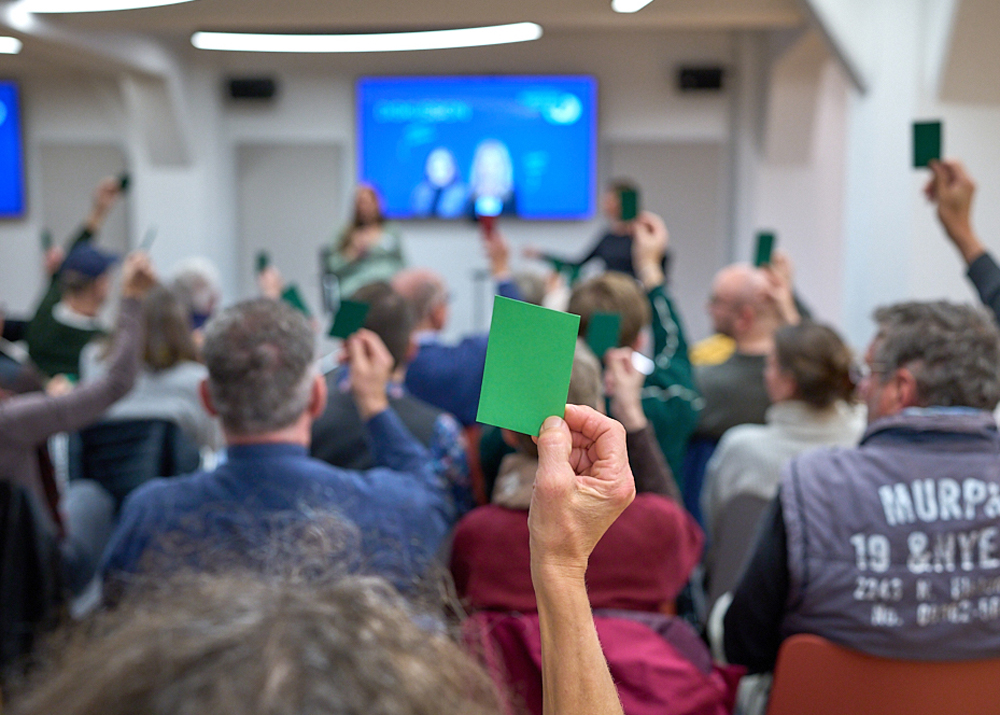
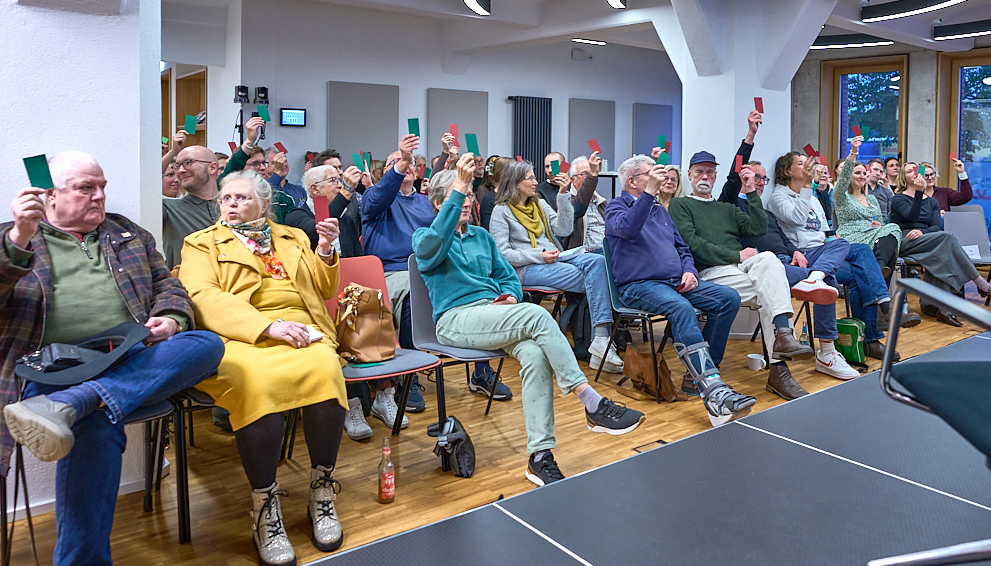
The effects of disinformation are not always immediately apparent. Disinformation often builds on existing knowledge and personal beliefs, reinforcing existing positions and thus contributing to social polarisation. In the long term, disinformation can therefore foster uncertainty and undermine trust. A study by the Bertelsmann Foundation presented during the talk showed the extent to which the public perceives the associated risks: according to the study, 81 per cent of respondents regarded disinformation as a threat to social cohesion and democracy. A similar picture emerged from an audience survey conducted during the event. Participants were able to express their views on whether disinformation posed a serious threat by holding up a green card (agree) or a red card (disagree).
Recognising and categorising disinformation
Disinformation can take various forms, according to Freihse. Using specific examples, she demonstrated how manipulated or artificially generated content – so-called ‘deepfakes’ – as well as genuine images and news items taken out of context can be used to deliberately spread false information. For example, a demonstration against right-wing extremism was falsely portrayed as a demonstration in support of the AfD. Such examples illustrate how targeted manipulation or a distorted interpretation can create a misleading picture of reality.
One reason why such content is often met with approval is the so-called confirmation bias (Confirmation Bias) explain. Freihse explained this as follows: People tend to be more inclined to believe information if it confirms their existing beliefs. This makes it all the more important to critically question supposed facts, to examine the original context and also to reflect on one’s own assessment.
What everyone can do to combat disinformation
The practical part of the talk focused on the question of how media users can recognise and counter disinformation. Freihse recommended scrutinising content critically and systematically checking its credibility. In particular, users should check the sources, the images used, the medium in question, the content and any quotations included. Fact-checks, for example by CORRECTIV, the ARD fact-checking service, the German Press Agency or Mimikama, can help to assess questionable claims.
Furthermore, it is important to obtain information from a variety of reputable sources, to develop one’s own media and news literacy, and to report any disinformation that is identified. In personal interactions, too, it is crucial to deal with disinformation in a considered manner. Before reacting to dubious claims, one can first assess the situation at hand: What is the nature of the relationship with the other person? How firmly established is their world view? What might be the motivation behind the statement, and what objective can be achieved through the conversation? Through targeted questioning, factual corrections and respectful dialogue, it is possible to counter disinformation even in this context.
Democratic resilience requires structural change
In conclusion, Charlotte Freihse made it clear that individual media literacy alone is not enough. The structures of the digital information ecosystem must also be taken into account. The dominance of a few large platforms, business models geared towards capturing attention, extensive data collection, a lack of transparency and inadequate data protection represent key challenges in this regard.
To combat disinformation effectively, therefore, in addition to quality journalism, we need responsible algorithms, effective enforcement of the legal framework, and technical solutions that make trustworthy information more easily identifiable. Analysing inauthentic behaviour – such as that carried out by bots and coordinated campaigns – could also play a part.
The event „Disinformation and Resilience“ demonstrated that protecting democracy from disinformation is a shared responsibility: Whilst every individual can take responsibility by thinking critically and engaging consciously with information, politicians, the media and digital platforms are called upon to create the conditions for a transparent and reliable information environment. It is only through the combined application of these approaches that democratic resilience can be strengthened.
Impressions from the lecture
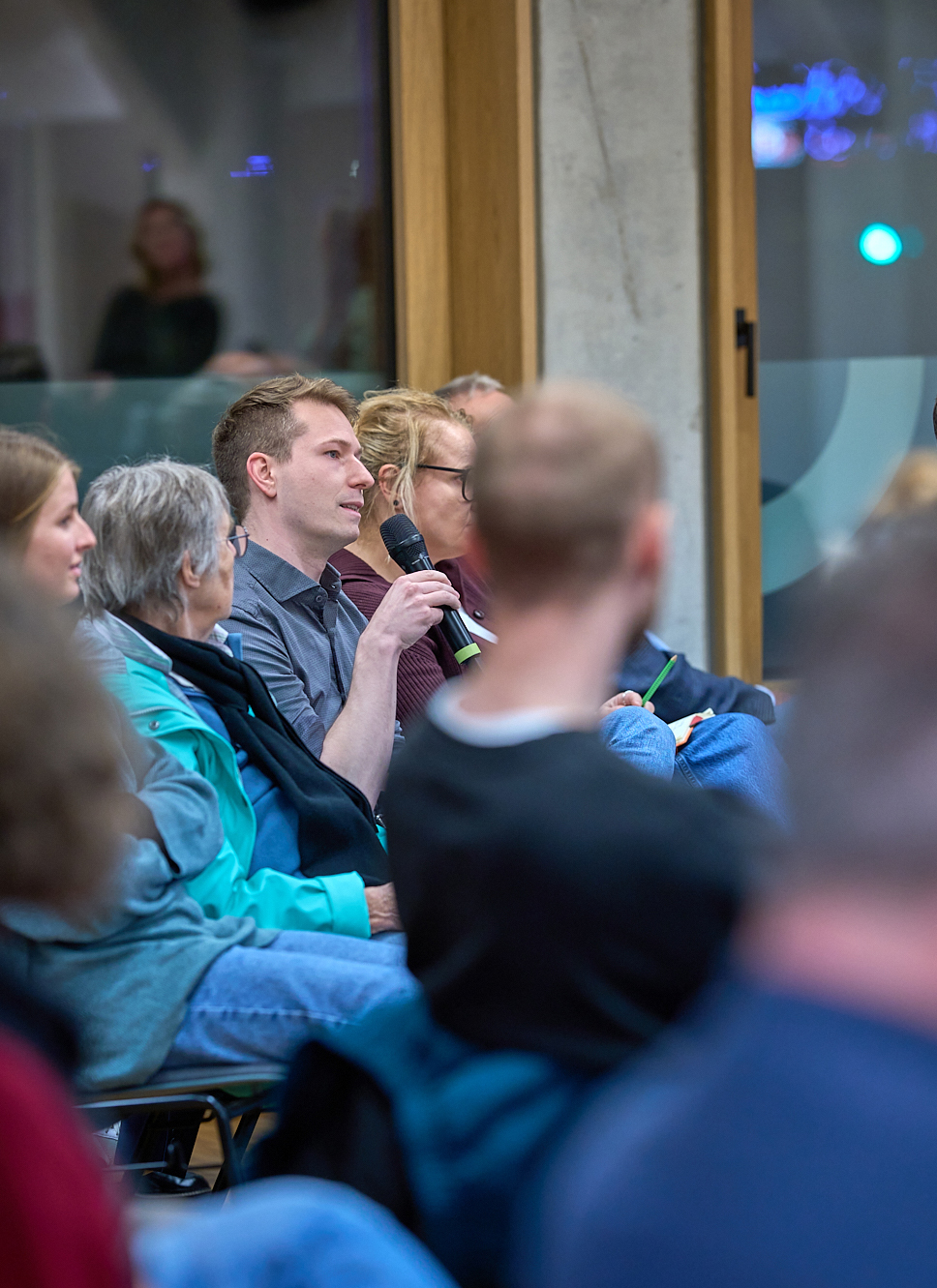
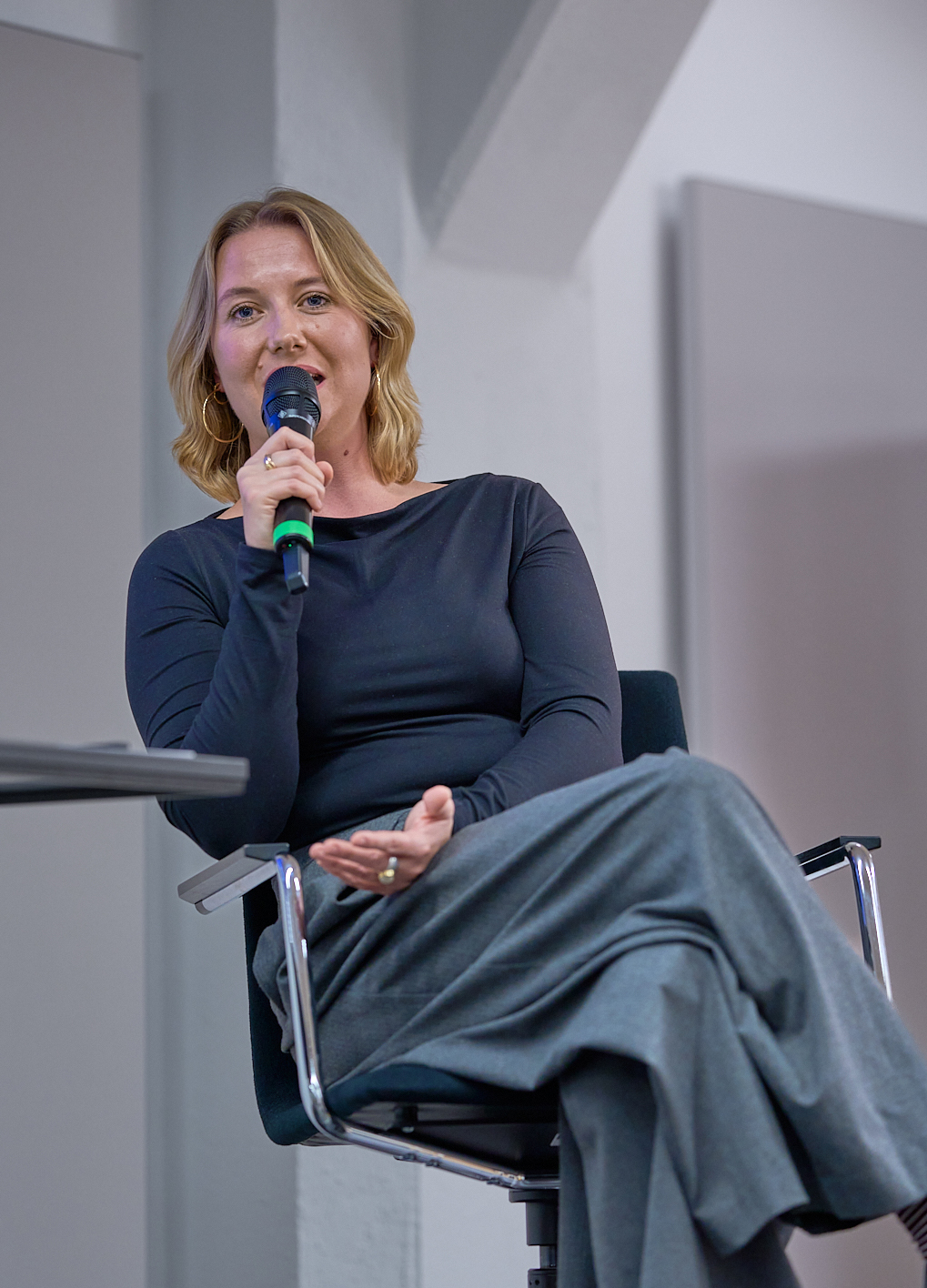
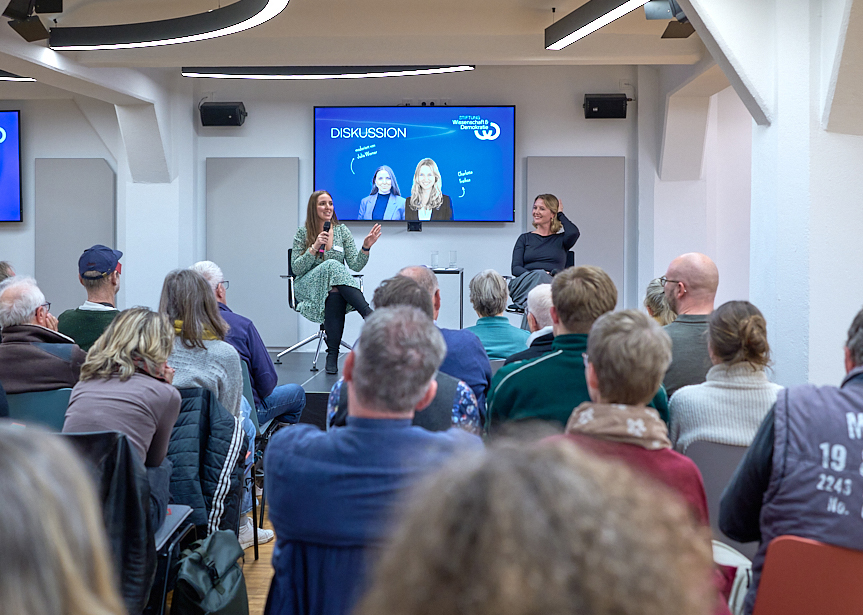

Photos: Eckhard Schmelter / SW&D