Report on the seminar with Matthias Lemke and the Muthesius Academy of Fine Arts
On 10 and 11 September 2026, the two-day seminar took place in collaboration with the Muthesius Academy of Fine Arts and Matthias Lemke (political scientist and democracy adviser) „Fragile Constructs – Artistic Perspectives on the Tensions and Potential of Democratic Order“ took place. The aim of the seminar was to combine political education with artistic practice and to open up interdisciplinary perspectives on democracy. For the art students, democracy did not appear to be a ready-made or self-evident system, but rather something unsettling, difficult, fragile and under threat. An initial joint exploration made it clear that the functioning of a democratic system is based on binding rules, procedures and rights, but at the same time depends crucially on individuals upholding this system and actively engaging with it. Democracy thus arises not solely through institutional structures, but also through the actions, participation and assumption of responsibility of each and every individual. This gave rise to questions about how much individual commitment a democratic society requires, where one’s own scope for action lies, and what it means to take responsibility for the functioning of democracy.
The political science concepts of hegemony, as developed by Gramsci and Laclau/Mouffe, and of governmentality, as developed by Foucault, provided points of reference for reflecting on the scope for social action. With ‘post-democracy’ and ‘post-factuality’, attention ultimately turned to the conditions of the political public sphere and the question of what happens to democratic debate when ever-new topics are introduced into the discourse, thereby making it difficult to engage continuously with individual political issues. These theoretical perspectives were repeatedly linked to artistic practice: can art provoke in a productive way, challenge structures and the familiar, and thereby open up new approaches to democratic issues?
Art as a political practice
Particular emphasis was therefore placed on the relationship between Democracy, civil society and the arts set out. The three areas were presented as interlinked practices. In this context, art was identified as something that can make existing orders visible, challenge them and open up possibilities for action, whilst at the same time being capable of creating connections or (re)producing exclusion.
Art can also be experienced physically and directly, as Prof. Dr Axel Loytved and Tillman Terbuyken (Muthesius Academy of Fine Arts) – for example, through a photograph by the artist Jiří Kovanda, which shows a person deliberately turning round on an escalator and making direct eye contact with the person standing behind them. This serves as an example of shifting everyday patterns of behaviour. This illustrates that contact can arise through an artistic act – and that it is precisely this contact which can reveal socio-political phenomena such as anonymity and distance. The Centre for Political Beauty was cited, amongst other examples, as an illustration of such a connection between art and political intervention.
Democracy and Language
Attention also turned to the symbolic and linguistic foundations of democratic order. Terms such as „the German people“ led to an examination of the concept of the „people“, whilst Heinrich Heine’s idea of a ‘revolution of the word’ highlighted the significance of language for social order and political change.
The theoretical approaches ranged from classical theories of democracy – such as Aristotle’s typology – to questions concerning modern democracy, its institutions and prerequisites. Particular emphasis was placed on human dignity and the principles of democracy and the rule of law as central components of the free and democratic basic order. The examination of the phenomenon of post-truth also drew attention to the conditions of political orientation in a public sphere where the distinction between truth and falsehood can itself become the subject of political debate. This prompted a critical reflection on the significance of language and political judgement for a democratic society.
Civic education as a shared space of possibilities
The seminar made it clear that political education can be particularly effective when it does not stop at the mere imparting of knowledge, but instead opens up spaces for exchange, personal reflection and new approaches. The combination of political science theory and artistic practice makes it possible to examine democracy from different perspectives, whilst also shedding new light on things that are often taken for granted. Questions concerning scope for action, responsibility, belonging, language and social participation were thus not only discussed theoretically, but also linked to concrete forms of artistic expression and experiences.
Building on the theoretical input and joint discussions, the students will now engage in a practical artistic exploration. The resulting works address key questions and areas of tension explored in the seminar, translating them into various artistic forms. In this way, the topics previously discussed are not only explored further, but also made visible and tangible. The resulting works will be presented as part of the The Long Night of Democracy in the exhibition space sp_ce are on display, thereby creating another space for people to meet and engage in social interaction.
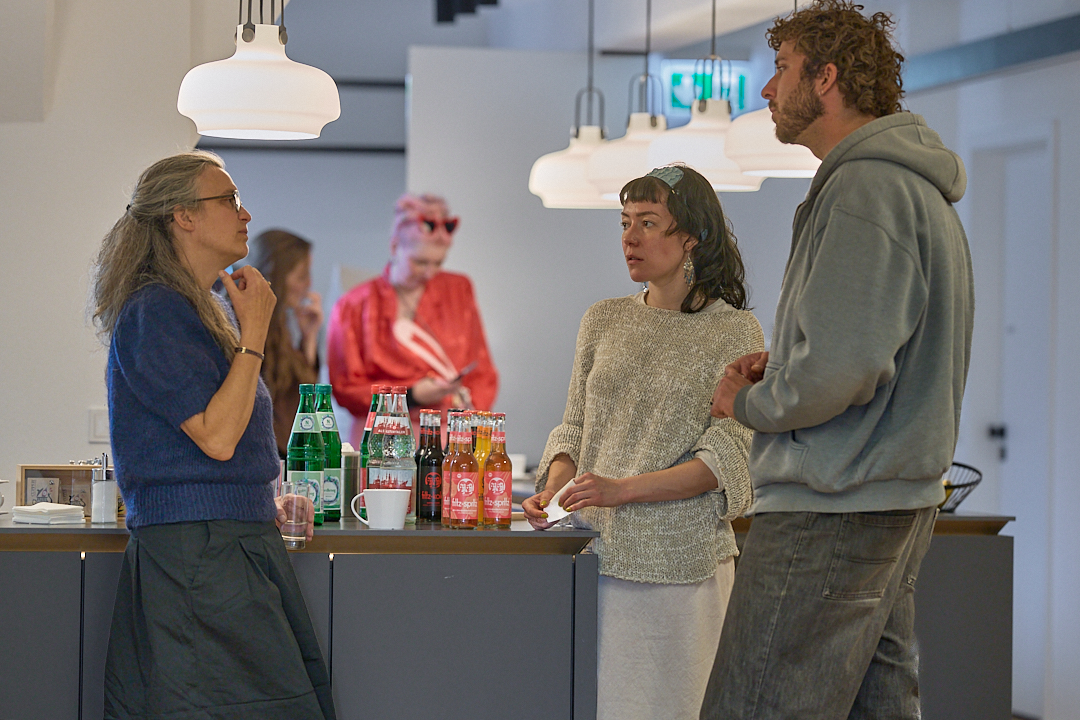
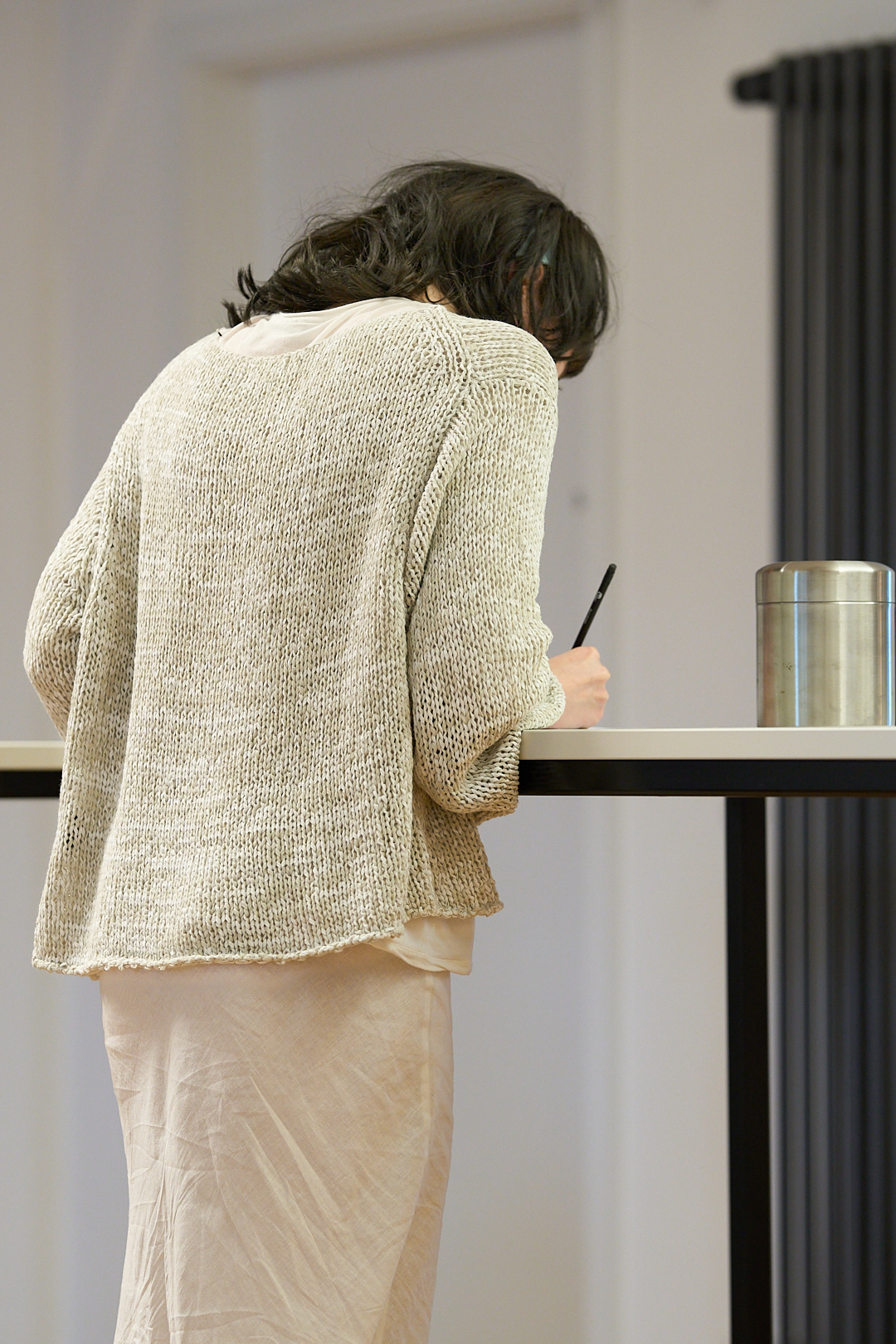
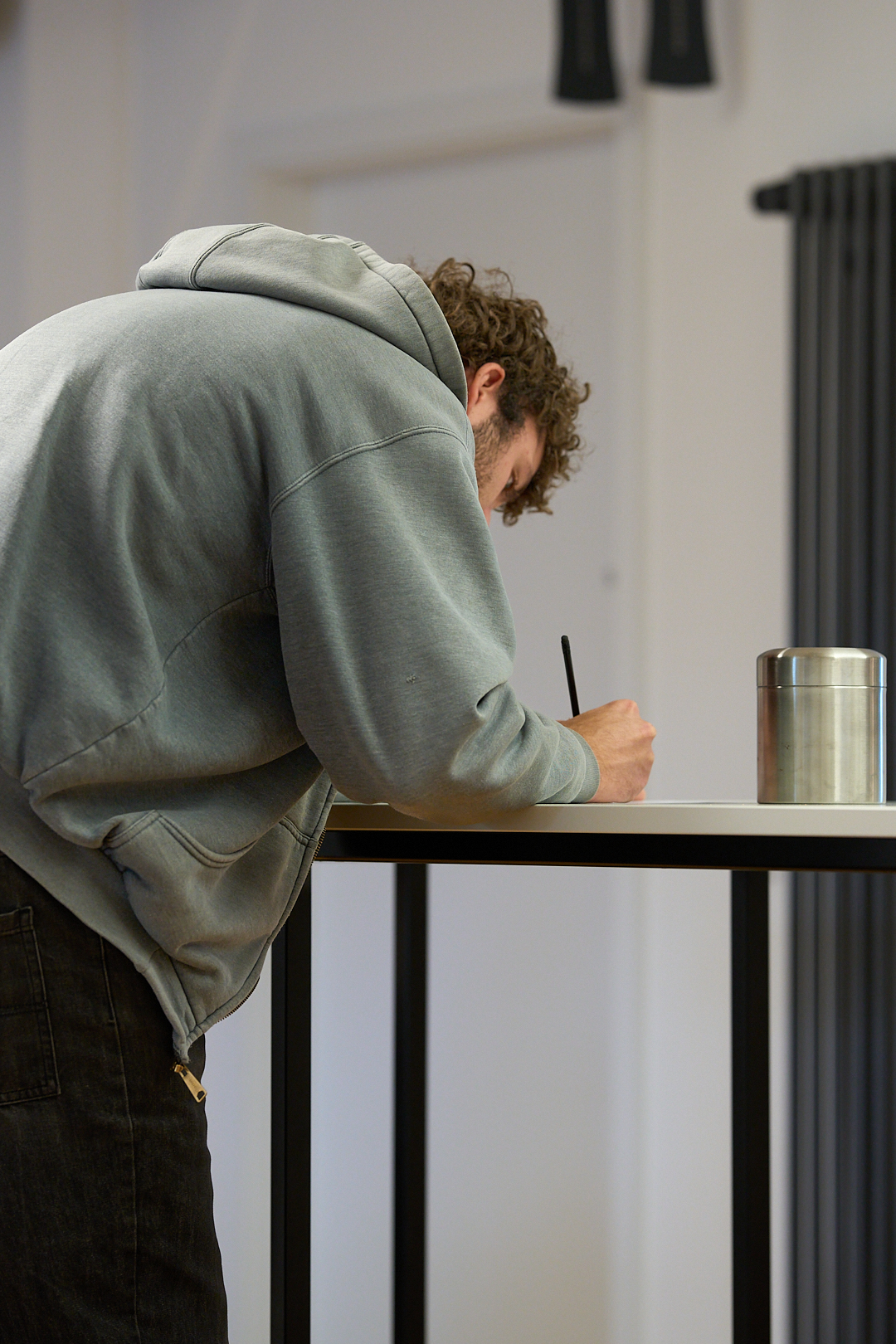
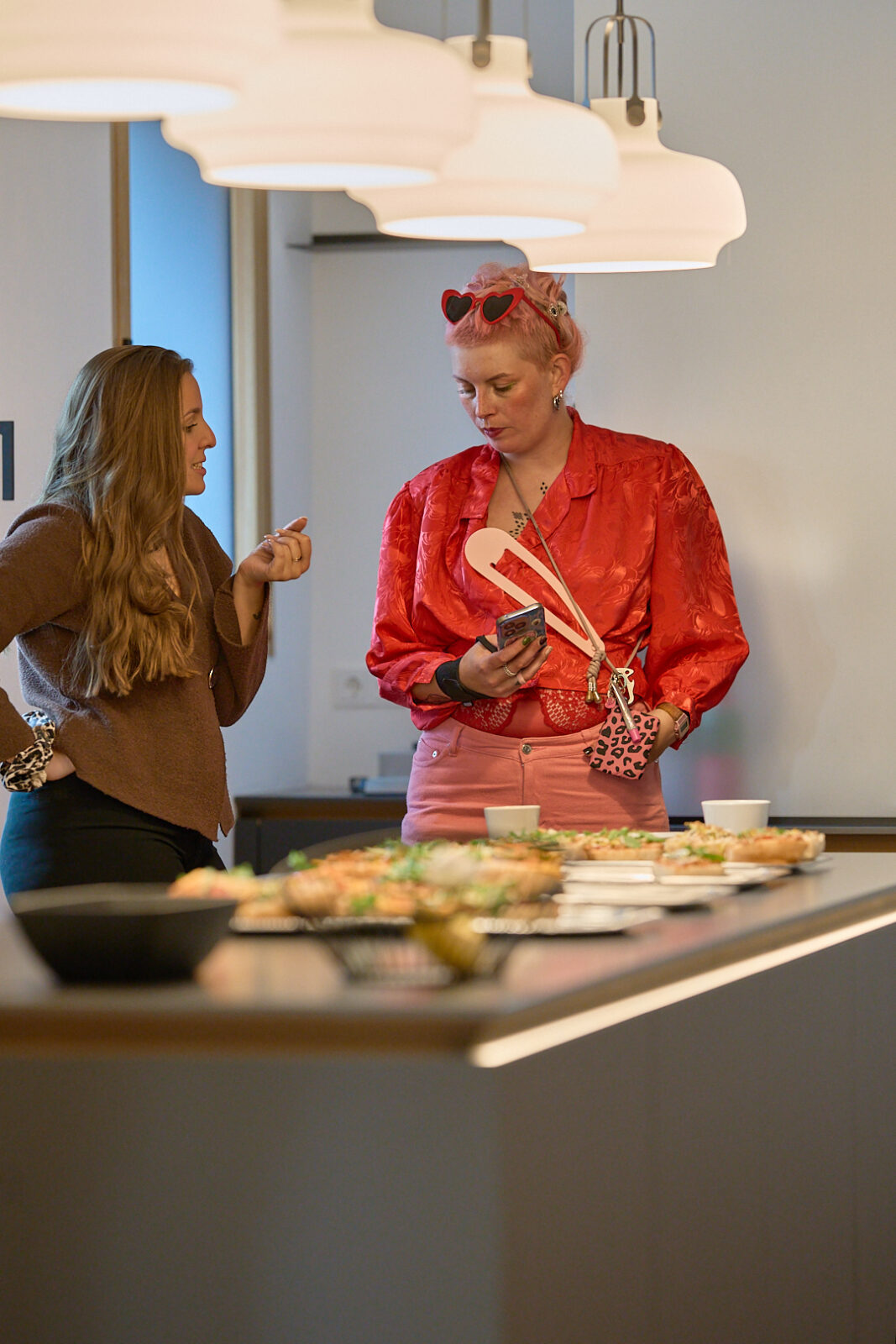
Highlights from the seminar
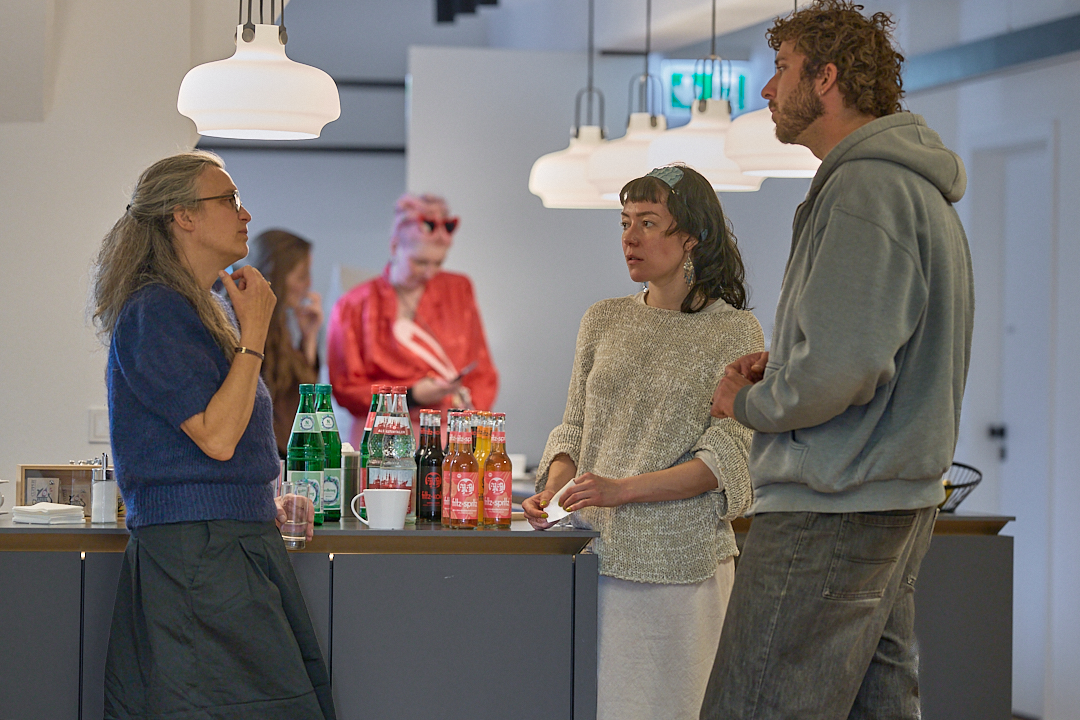
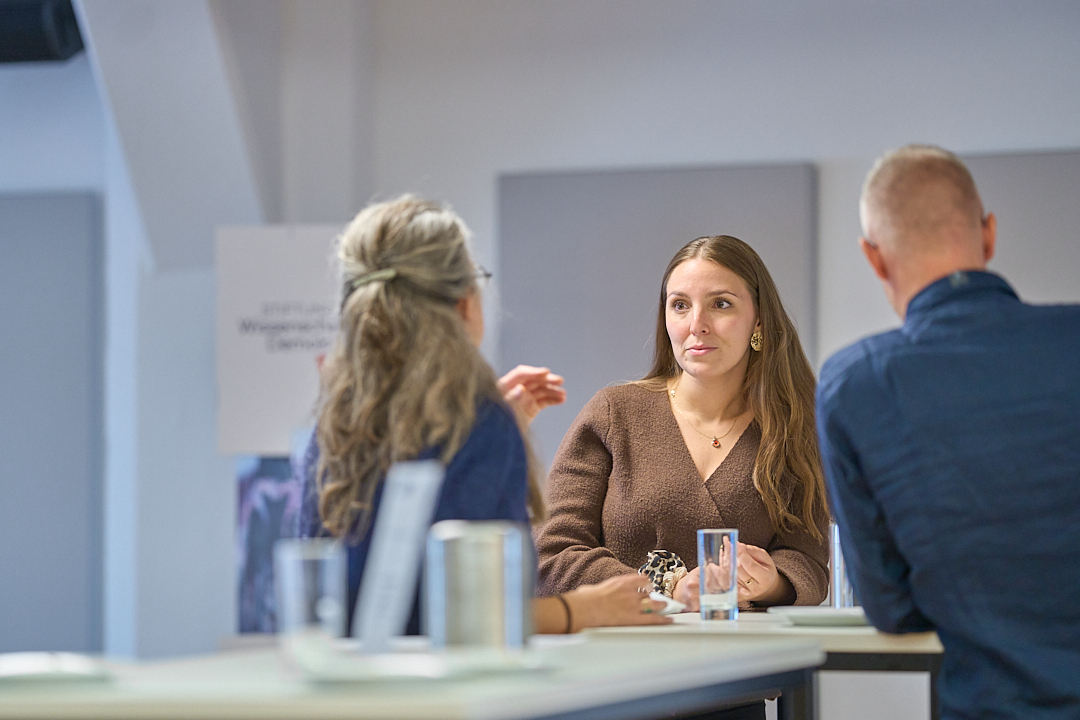
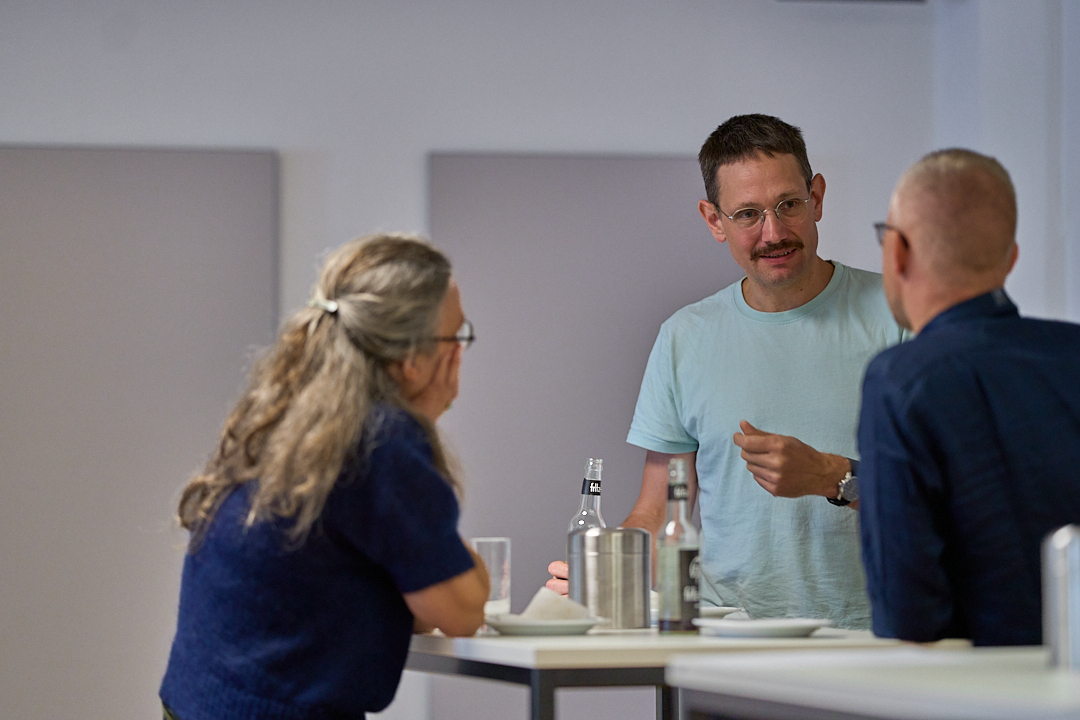
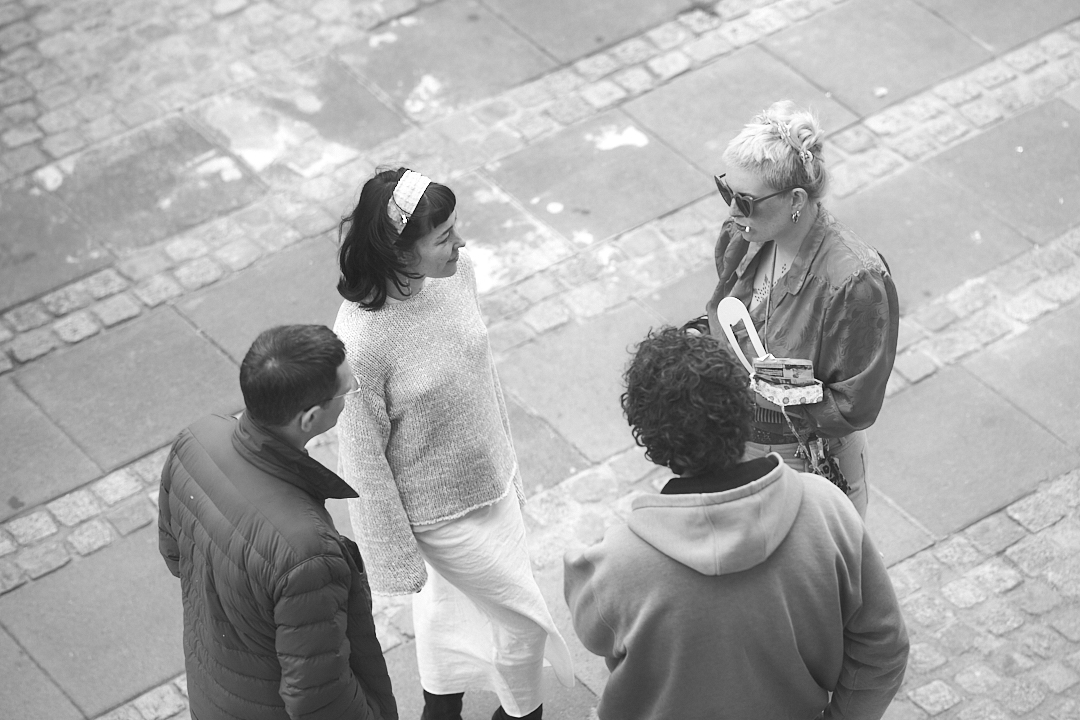
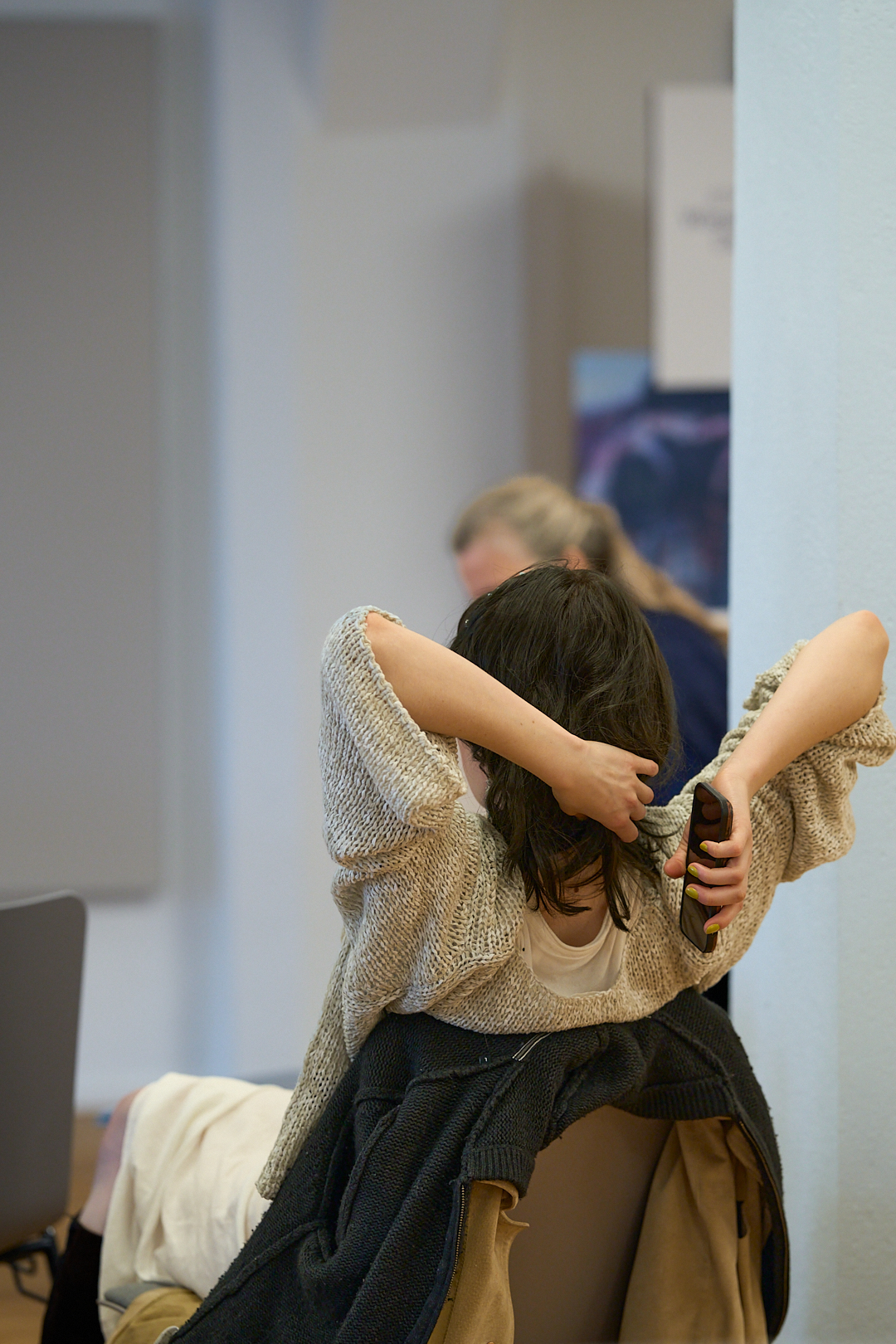
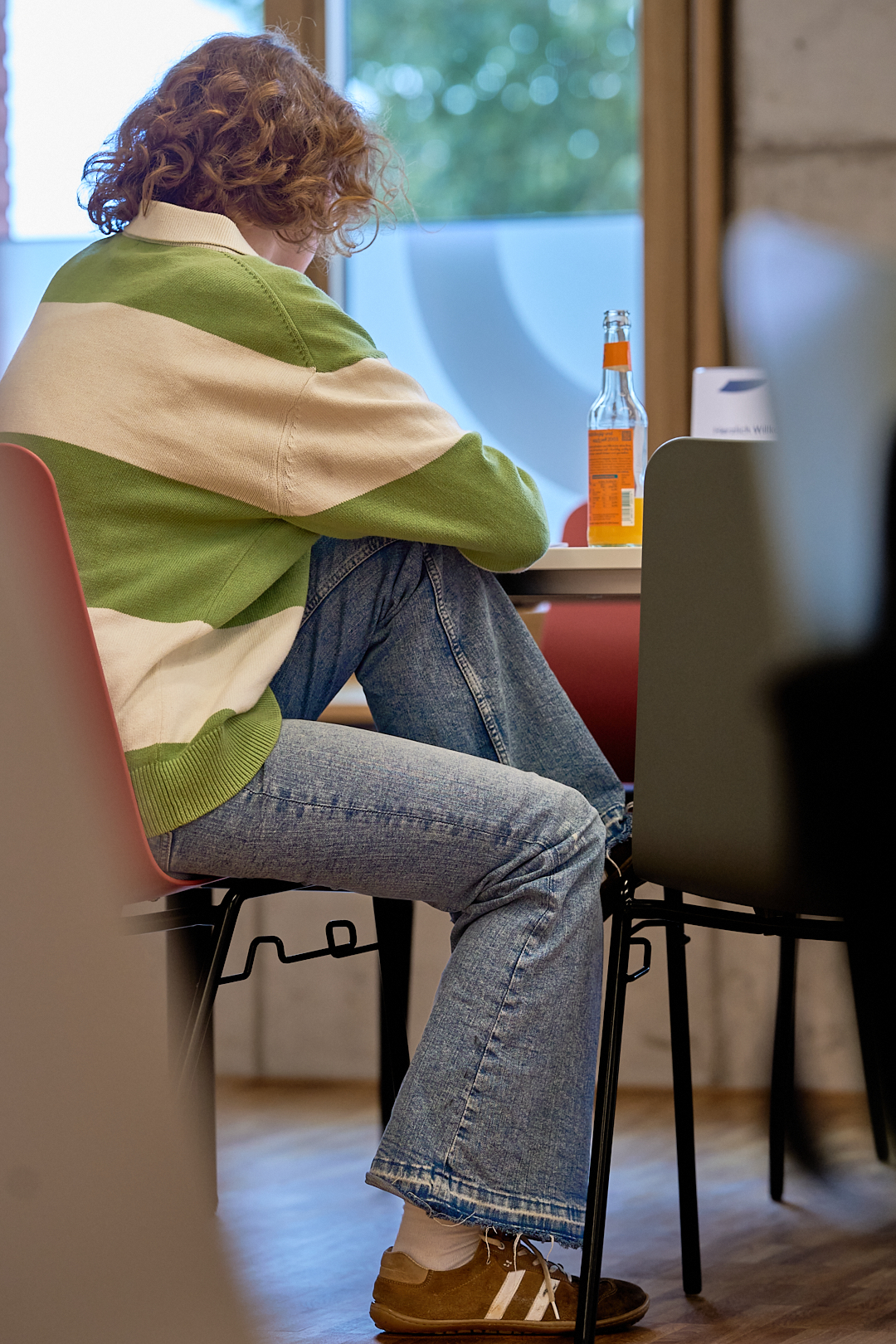
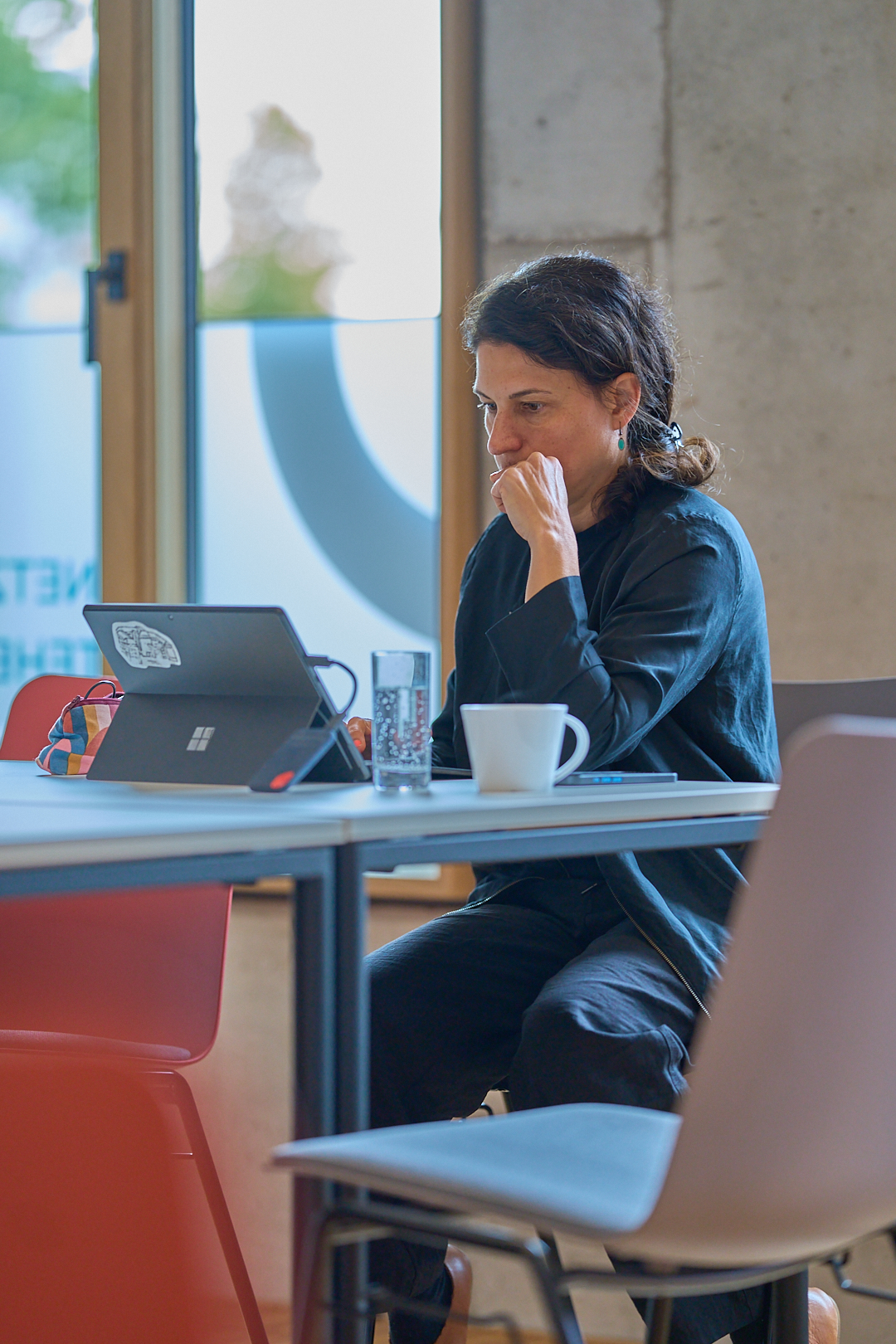
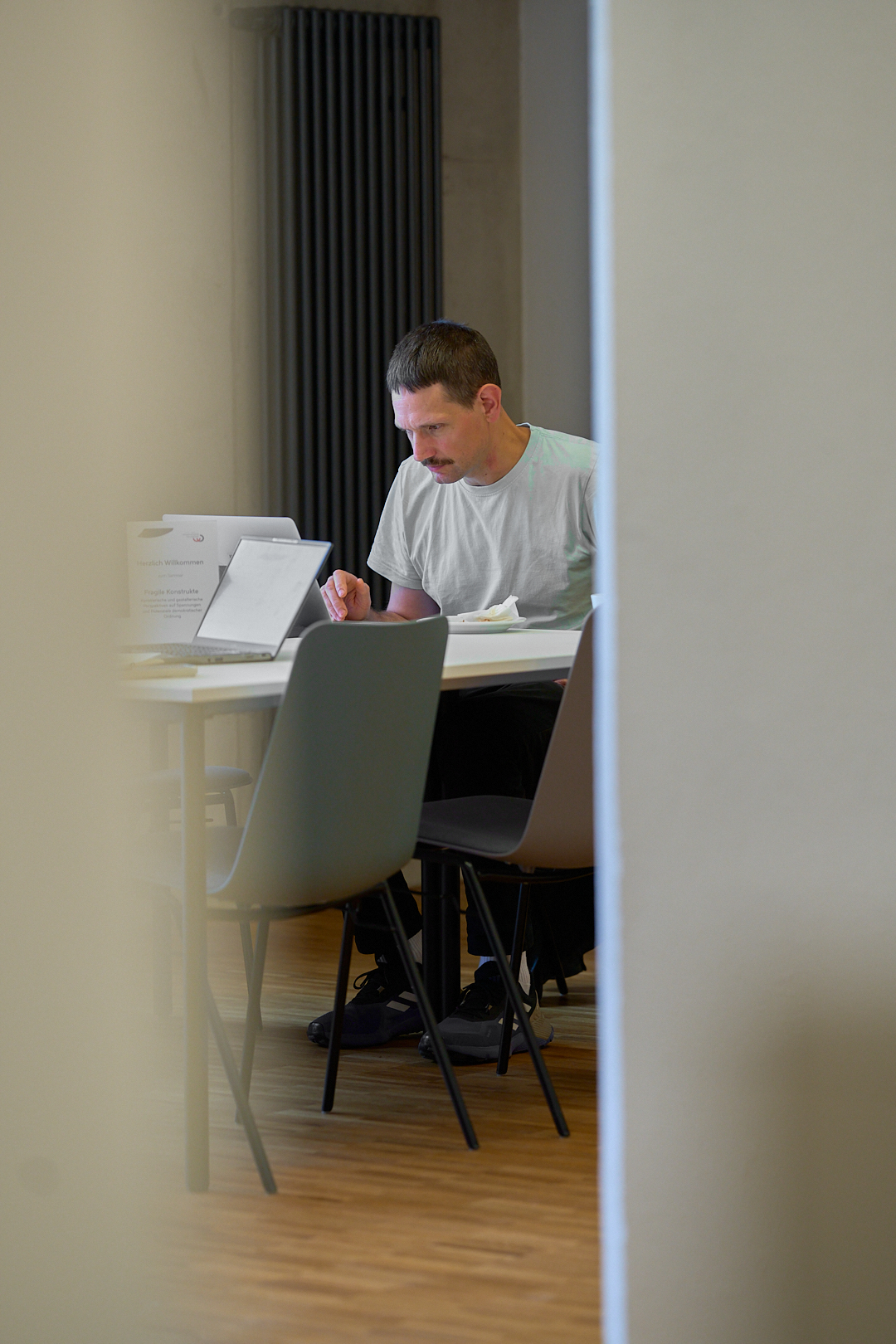
Photos: Eckhard Schmelter / SW&D