Report on the lecture by Dr Kira Vinke
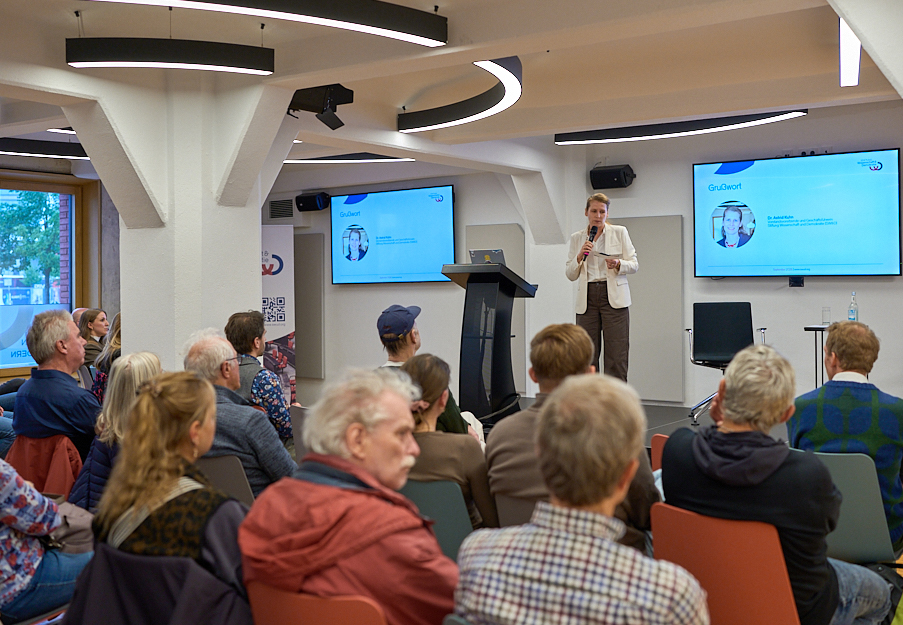
How are climate change and the global energy transition reshaping international politics? And what happens when melting ice, dependence on fossil fuels and the race for strategically important raw materials become increasingly intertwined? These questions were at the heart of the event „Oil, Ice, Power: The New Climate Geopolitics and its Consequences“ with Dr Kira Vinke (DGAP). The event was hosted by Julia Werner (SW&D).
It soon became clear that climate policy can no longer be viewed solely as environmental or sustainability policy. Climate change affects economic stability, international (trade) relations, social conflicts and national security interests.
From climate impact to geopolitical challenge
The starting point was the increasing visibility of the consequences of climate change. Rising temperatures, prolonged heatwaves and droughts are not merely ecological phenomena, but have direct social and economic consequences. For example, labour productivity falls significantly with every additional degree once temperatures reach around 30 degrees Celsius. At the same time, heat and drought can cause considerable economic damage.
This also shifts the perspective on security. Climate change often does not act as an isolated cause of political conflicts, but rather as a so-called „threat multiplier“: existing social, economic or political tensions can be further exacerbated by climate change. The example of Syria has clearly illustrated this issue. There is evidence to suggest a link between the severe drought from 2007 to 2010 and crop failures and migration flows. At the same time, research shows that factors such as low state stability often play a greater role in the emergence of violent conflicts.
It is precisely this distinction that is relevant: climate change does not automatically „cause“ conflicts. Rather, it alters the conditions under which political and social conflicts arise, escalate or can be resolved. Where safety nets and effective conflict resolution mechanisms are lacking, climate-related damage can have particularly far-reaching consequences. However, the decision to resort to violence is always taken by people themselves, emphasised Dr Kira Vinke.
Dependence on fossil fuels as a geopolitical risk
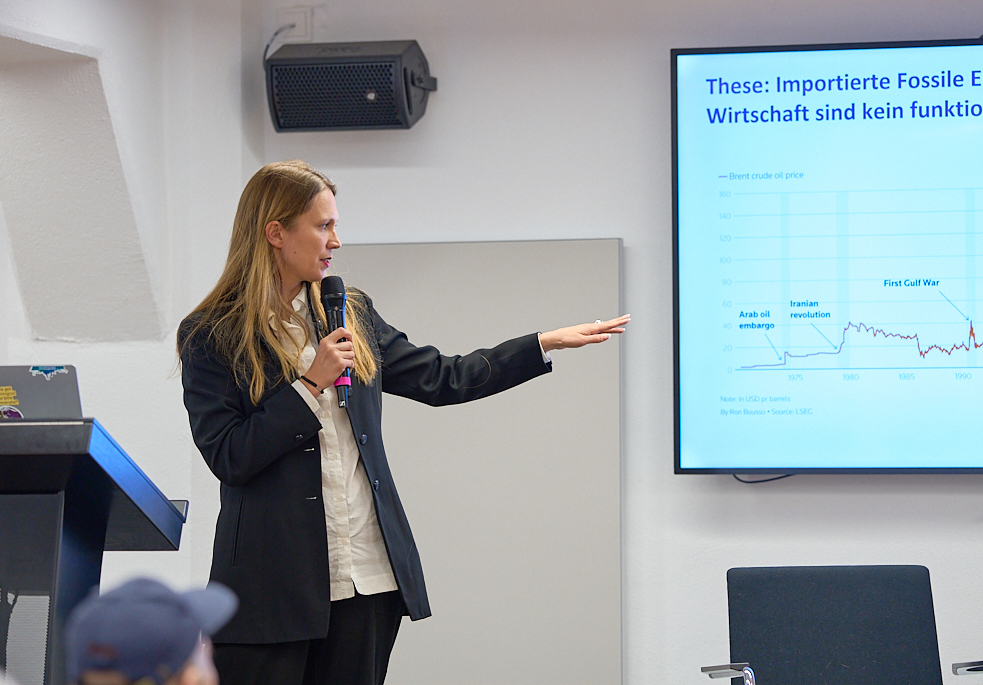
Another key focus was the security implications of dependence on fossil fuels. The EU imports around 97 per cent of its oil and 88 per cent of its gas. Energy supply and foreign policy are therefore closely intertwined.
Russia’s war of aggression against Ukraine has highlighted the strategic dimension of these dependencies. The previous dependence on Russian gas became a security issue. At the same time, new dependencies are emerging. Liquefied natural gas from the US can help to diversify supplies, but is also subject to market and political volatility.
Energy security must therefore be considered in a broader context – as an issue relating to supply, infrastructure, supply chains and access to critical raw materials. The energy transition is thus not merely a climate policy initiative, but can also contribute to resilience.
The energy transition and new dependencies
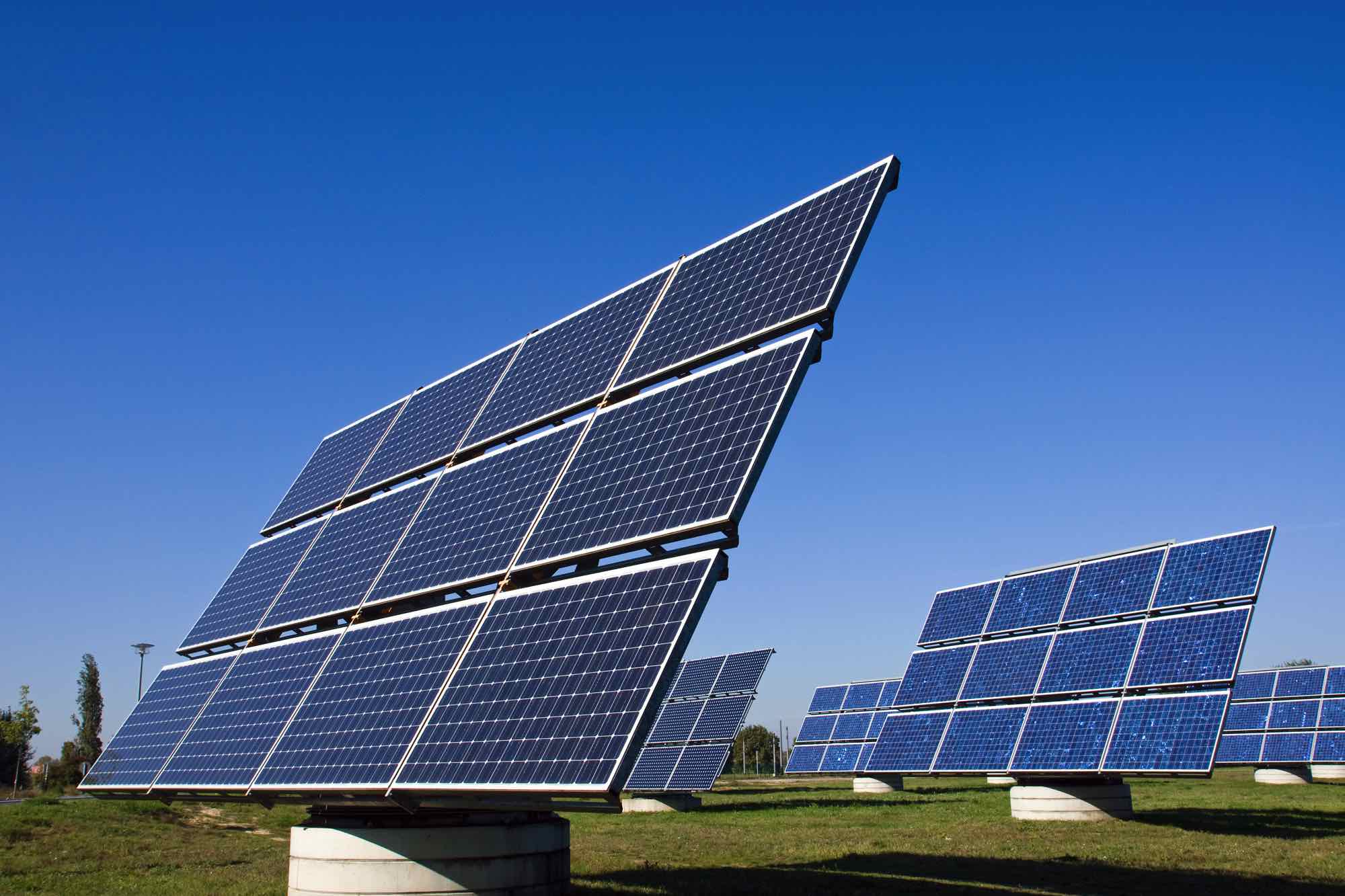
Renewable energies, too, require raw materials, technologies and production capacity. This is where China comes into focus. According to the data presented, China controls around 95 per cent of solar panel manufacturing, around 94 per cent of permanent magnet production (relevant to wind power) and more than 90 per cent of rare-earth processing capacity. The country also accounts for a significant share of the global value chain in battery technologies.
The energy transition therefore does not completely eliminate geopolitical dependencies, but rather shifts them to some extent.
Against this backdrop, the concept of „de-risking“ was discussed. The aim of this is not complete economic decoupling, but rather the reduction of strategic dependencies. This also includes moving away from Russian energy sources, making greater use of domestic renewable energy and diversifying energy and raw material sources.
Melting ice, new sea routes and age-old power struggles
The new climate geopolitics is particularly evident in the Arctic. Arctic sea ice is reaching historic lows. In 2026, maximum sea ice cover was already reached on 15 March; it was at the lowest level ever recorded. At the same time, Arctic sea routes are becoming more accessible.
This has geopolitical consequences: new opportunities for trade and shipping are emerging and economic activity is increasing – whilst the need for monitoring and regulation is also growing. The melting ice is not only altering natural conditions, but also the strategic importance of the region, and is putting pressure on traditional ways of life.
A perspective on security
The event made it clear that climate and security policy must increasingly be considered in tandem. What matters here is not only the extent to which the climate is changing, but also how well political and economic structures are able to cope with these changes.
Climate change can exacerbate existing dependencies, create new ones and alter geopolitical landscapes. At the same time, whilst the energy transition reduces certain dependencies on fossil fuels, it also creates new ones, which must be addressed through conscious and forward-looking decision-making.
It has once again become clear that security has long since come to encompass more than just military issues. Energy supply, infrastructure, supply chains, food security, economic stability, societal resilience and the protection of natural resources are increasingly becoming factors in security policy.
Consequently: The climate crisis is changing not only our environment, but also the conditions of international politics. Anyone wishing to understand the geopolitical developments of the 21st century must therefore increasingly view climate policy as an integral part of international security and governance.
Impressions from the lecture
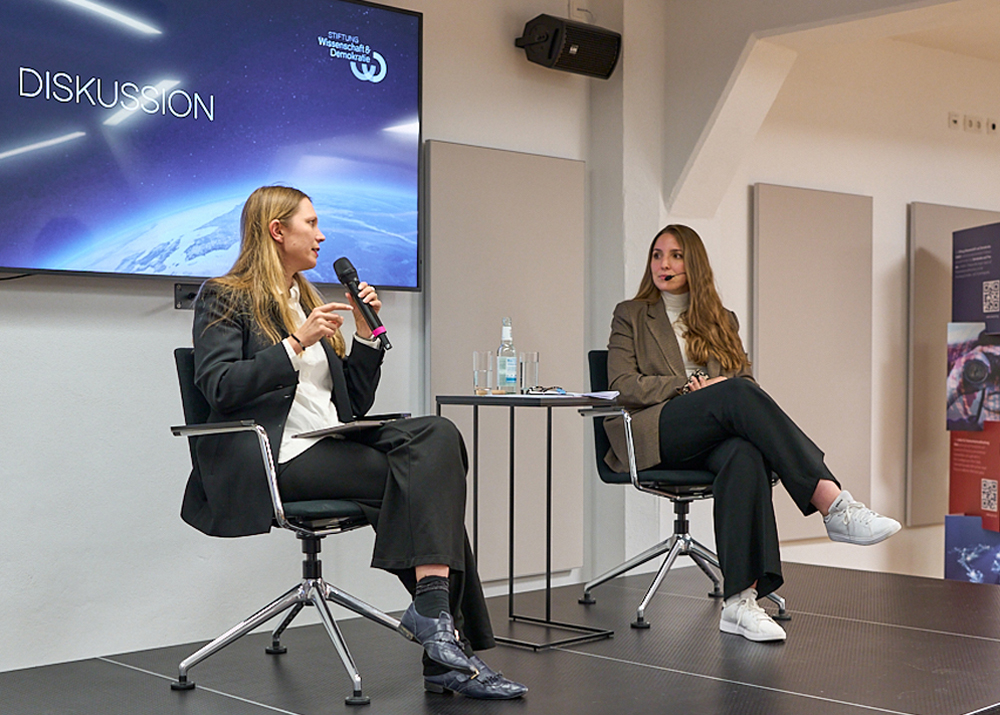



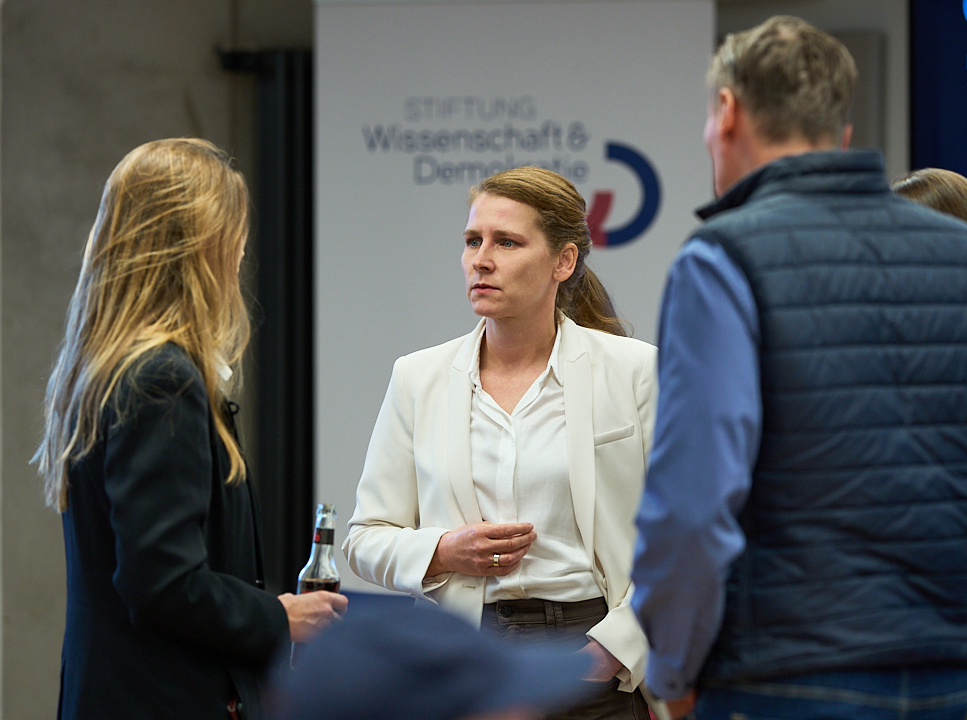
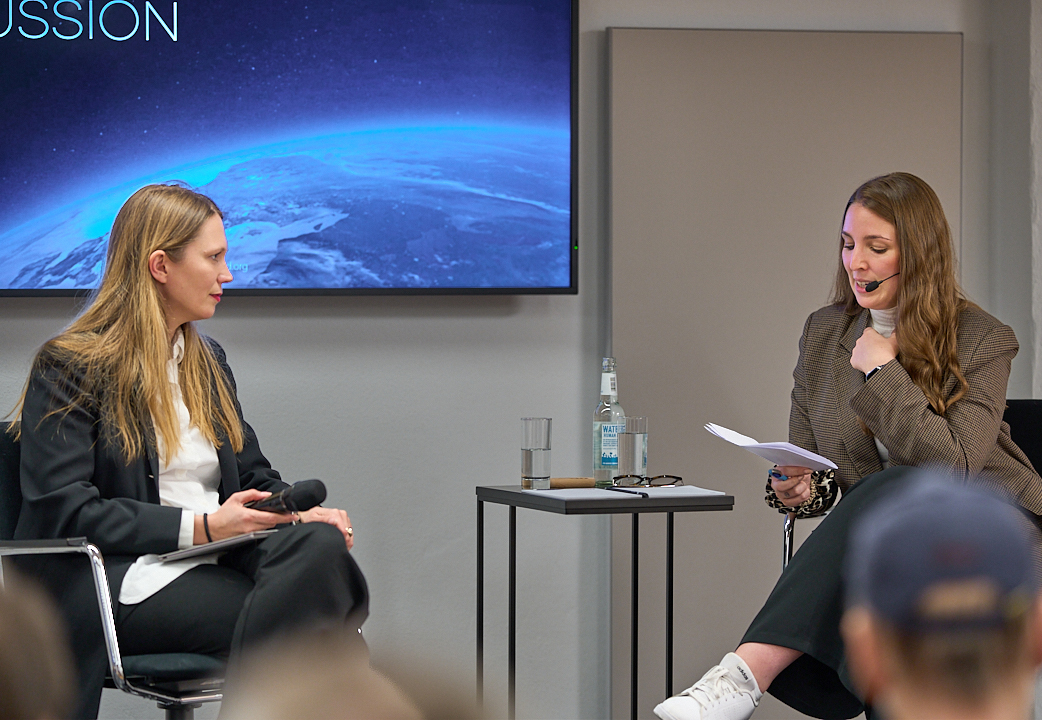






Photos: Eckhard Schmelter / SW&D